The Regional Diversity of Indian Breakfasts
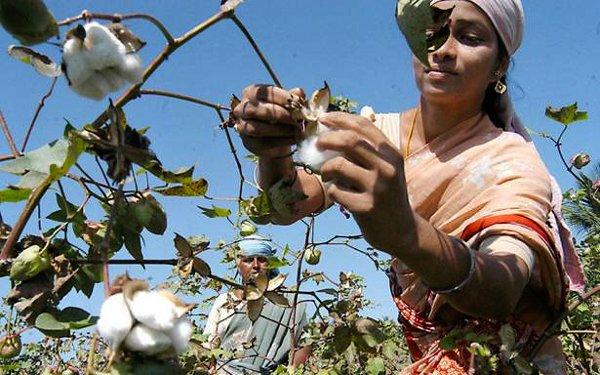
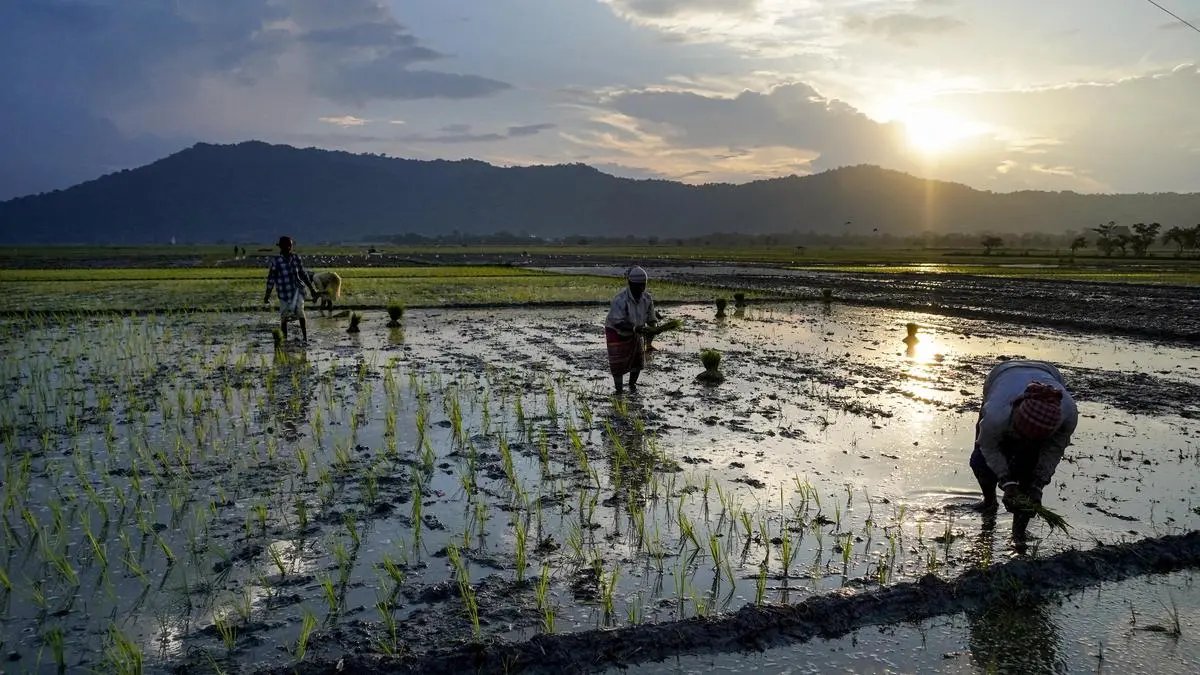
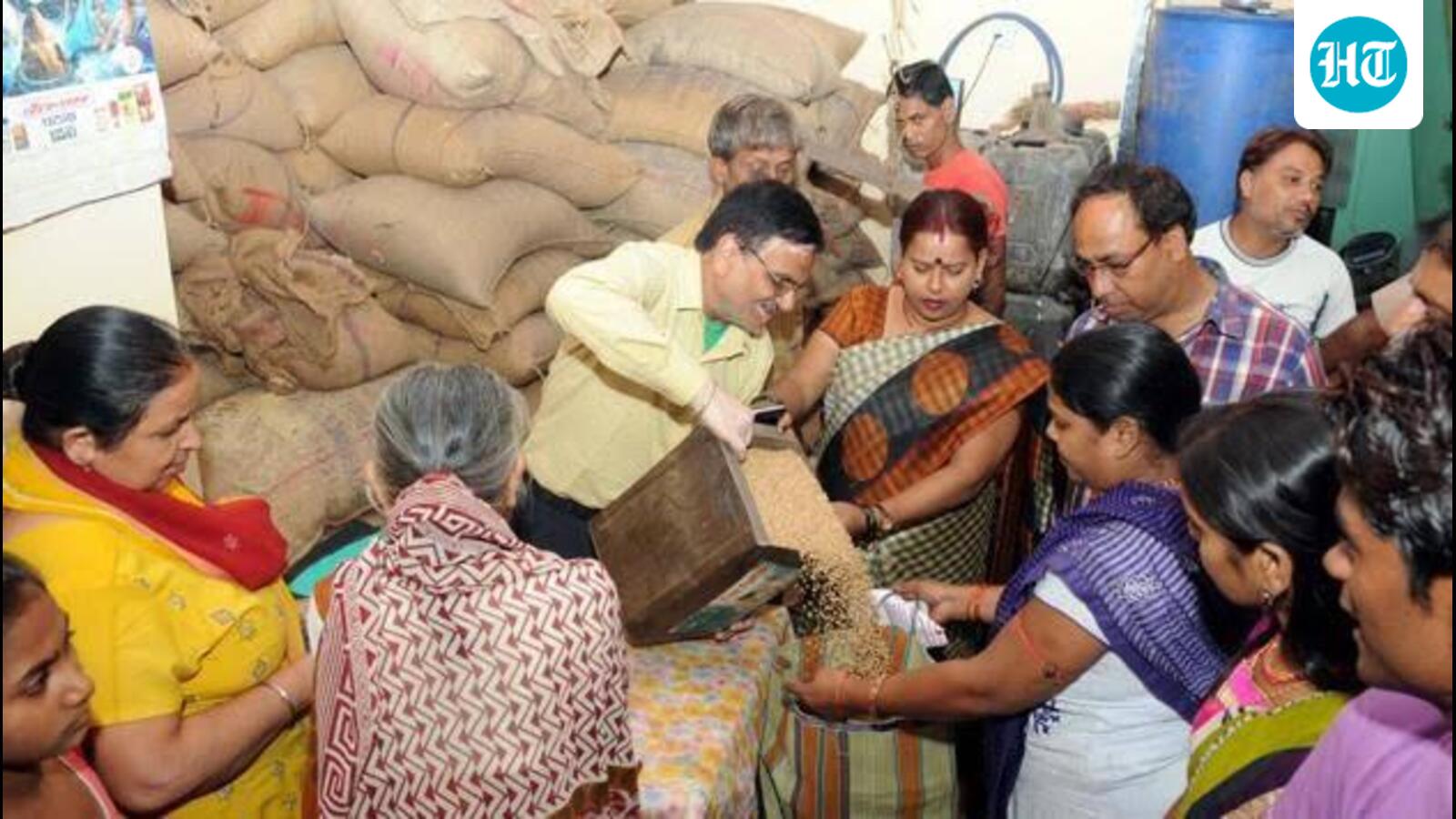
India’s morning meal traditions serve as a reflection of the nation’s diverse agricultural landscape and varying climatic conditions. According to information provided by Newspointapp.com, the breakfast varieties enjoyed across the country are not merely a matter of culinary preference, but are deeply rooted in the crops that thrive in specific regions.
From the rice-heavy dishes of the south to the wheat-based staples of the north and the millet-focused diets of arid western zones, these regional breakfast habits provide insight into how geography and environment have shaped daily life in India.
The Influence of Geography on Morning Meals
The food on an Indian breakfast plate is largely determined by the local harvest. The availability of specific grains has dictated the culinary evolution of different regions over time. As noted by the source, the following factors have been instrumental in defining these morning traditions:
- Agricultural Richness: The primary crops grown in a region form the foundation of its staple diet.
- Climate: Temperature and rainfall patterns influence which grains, such as rice, wheat, or millet, are most viable for cultivation.
- Fermentation and Preservation: Traditional techniques developed to store and process food have played a significant role in creating unique breakfast profiles.
- Historical Trade and Rural Life: Long-standing trade routes and the demands of rural lifestyles have influenced how these meals are prepared and consumed.
Regional Breakfast Staples
The distribution of breakfast varieties across India can be categorized by the primary grain used in the region. These distinctions highlight the link between the land and the table:
Southern India: Rice-Based Traditions
In the southern states, rice is the dominant crop, leading to a breakfast culture centered around rice-based preparations. These dishes often utilize fermentation techniques, which contribute to the distinct textures and flavors associated with southern breakfast items like idli.
Northern India: The Celebration of Wheat
Northern India is known for its reliance on wheat. This has resulted in a variety of flatbreads that serve as the cornerstone of the morning meal. These preparations, such as paratha, reflect the region's agricultural focus on wheat cultivation.
Western India: Millet in Arid Zones
In the arid regions of western India, where environmental conditions are better suited for hardy crops, millet takes center stage. These areas have developed creative ways to incorporate millet into hearty breads and porridge, ensuring that the morning meal is both sustaining and adapted to the local climate.
Understanding the Evolution of Indian Breakfast
The variety observed in Indian breakfasts is not a modern phenomenon but the result of historical and environmental factors. The source explains that these morning meals have evolved into unique, regional culinary experiences due to a combination of necessity and tradition. By adapting to the limitations and opportunities provided by their local environments, different regions of India have created a diverse tapestry of breakfast options that remain a significant part of the country's cultural identity today.