
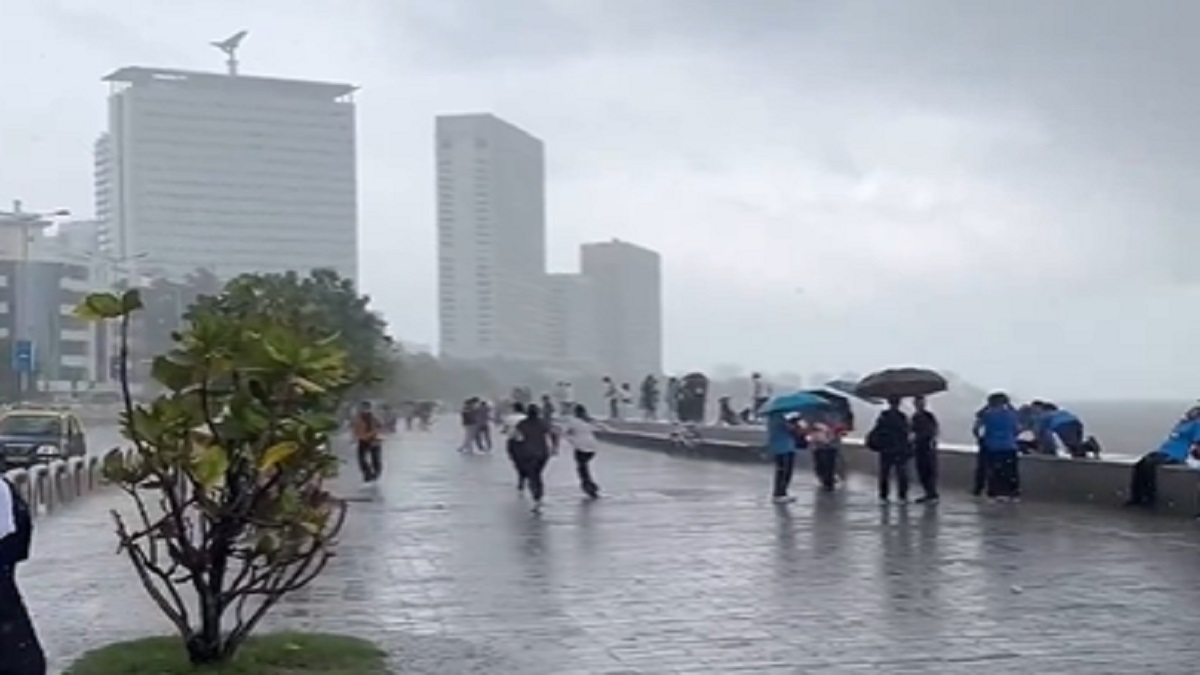
Severe Weather Alert: Mumbai Braces for Heavy Rainfall and Potential Flash Flooding
The India Meteorological Department (IMD) has issued a high-priority orange alert for Mumbai and its surrounding districts, signaling a period of intense atmospheric instability. As the monsoon season continues to demonstrate volatility, meteorologists have warned of heavy to very heavy rainfall accompanied by gusty winds over the next 24 hours. Compounding these concerns, real-time meteorological data and automated weather alerts have highlighted a significant risk of flash flooding across the metropolitan region, prompting local authorities to urge citizens to exercise extreme vigilance.
Meteorological Drivers and Regional Impact
The current weather pattern is characterized by a convergence of moisture-laden winds from the Arabian Sea, which are interacting with an active offshore trough. This combination is expected to result in localized, high-intensity downpours. Unlike steady, prolonged monsoon rain, these specific weather events are prone to sudden spikes in precipitation volume, which can overwhelm urban drainage systems in a matter of hours.
The orange alert serves as a formal advisory for regional infrastructure managers and emergency response teams to remain on high standby. The primary concern for municipal authorities is the rapid saturation of soil and the potential for waterlogging in low-lying areas that are historically susceptible to flooding. Gusty winds, potentially reaching speeds that could disrupt traffic and compromise temporary structures, have also been flagged as a secondary risk factor during this period.
Infrastructure Vulnerability and Urban Management
Mumbai’s unique geography, defined by its coastal location and dense urban sprawl, makes it particularly sensitive to sudden meteorological shifts. Flash floods occur when the rate of rainfall exceeds the capacity of the drainage networks to channel water away from streets and residential zones. In recent years, urban planners have focused on upgrading pumping stations and clearing storm-water drains, but the sheer intensity of predicted rainfall often tests the limits of even the most robust systems.
Local authorities have advised the public to avoid travel through known flood-prone zones and low-lying underpasses. Emergency services are currently coordinating with disaster management cells to ensure that rescue equipment and medical support are positioned strategically. Residents are encouraged to monitor official updates through radio, television, and verified social media channels, as the situation remains dynamic and subject to change based on real-time radar observations.
What This Means for Farmers
While the immediate focus is on urban safety, the agricultural implications for the peripheral regions surrounding Mumbai and the broader Konkan belt are significant. Farmers operating in the peri-urban and rural fringes must take immediate steps to mitigate the impact of sudden, heavy rainfall on their operations:
- Crop Protection: High-intensity rainfall can lead to severe waterlogging, which risks root rot and nutrient leaching in standing crops. Farmers should ensure that field drainage channels are clear of debris to facilitate rapid water runoff.
- Livestock Safety: Ensure that cattle and livestock are moved to elevated, dry shelters. Sudden flooding can contaminate feed supplies and increase the risk of waterborne diseases among animals.
- Harvest Logistics: For those currently in the harvesting phase, it is advisable to pause field activities and secure harvested produce in moisture-proof storage. Moisture-damaged grains or produce can lead to rapid post-harvest loss due to fungal growth and spoilage.
- Infrastructure Inspection: Check the structural integrity of polyhouses, greenhouses, and storage sheds. Gusty winds accompanying the rain can cause significant damage to semi-permanent agricultural structures.
- Economic Preparedness: Keep a close eye on supply chain logistics. Heavy rain often leads to transport bottlenecks, which may delay the movement of perishable goods to markets. Proactive communication with buyers and logistics providers is recommended to manage expectations regarding delivery timelines.
Ultimately, the next 24 hours require a disciplined approach to risk management. By prioritizing the protection of assets and maintaining clear communication with local extension offices, the agricultural community can better weather the immediate challenges posed by this severe weather event.


