
Gujarat Government Heightens Monsoon Vigilance as Heavy Rainfall Alerts Loom
The Gujarat state government has moved into a high-alert phase as the India Meteorological Department (IMD) warns of a significant intensification of monsoon activity across the region. With heavy to very heavy rainfall expected to impact large swathes of the state over the coming week, officials in Gandhinagar have mobilized a multi-departmental response strategy to mitigate potential risks to life, infrastructure, and agricultural assets.
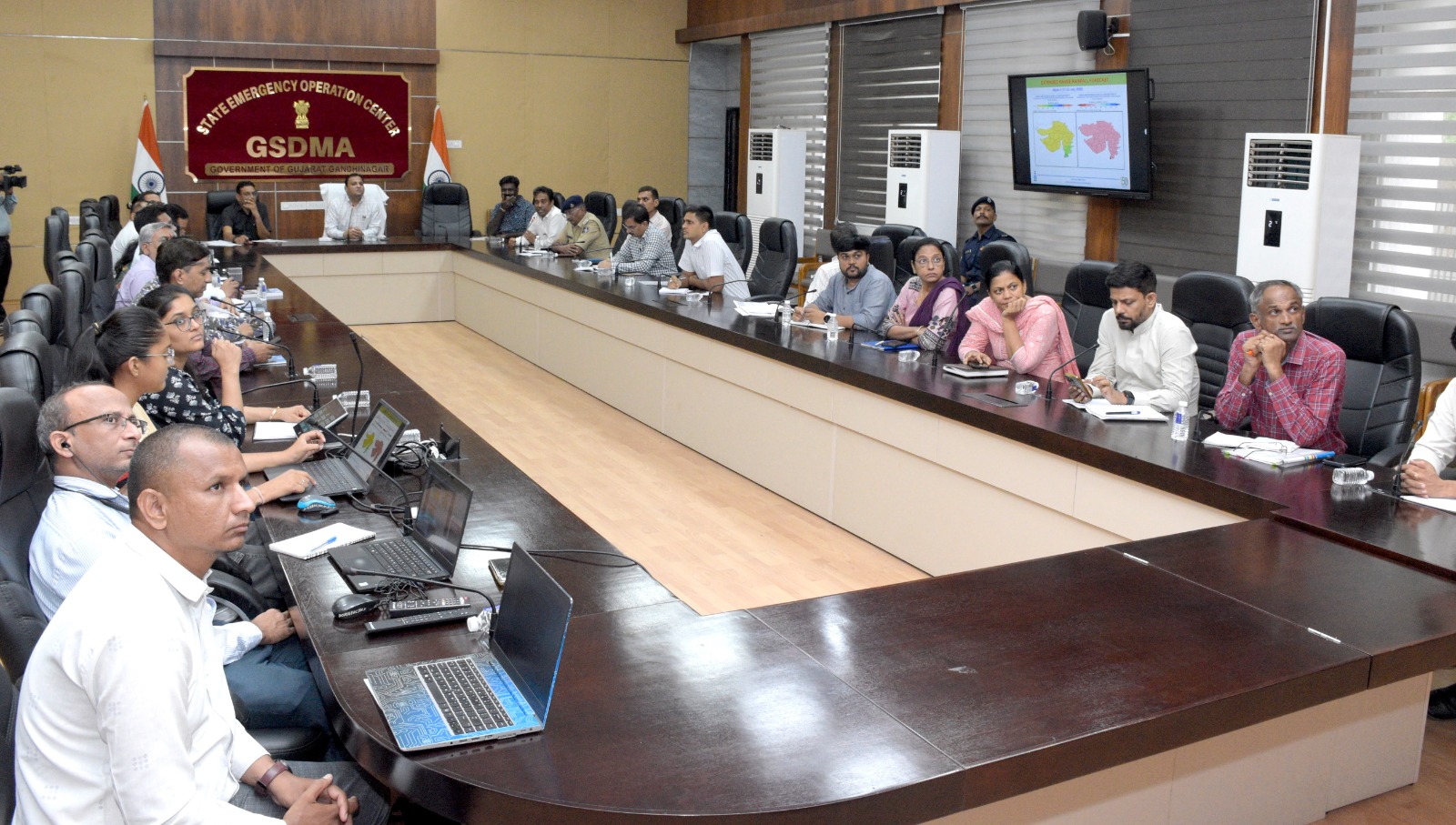
The heightened state of preparedness was formalized following a high-level meeting of the Weather Watch Group, convened at the State Emergency Operation Centre (SEOC). Under the leadership of Relief Commissioner Gaurang Makwana, the session served to synchronize the efforts of various state agencies, ensuring that disaster management protocols are not only in place but are being executed with strict inter-departmental coordination.
Strategic Deployment and Real-Time Surveillance
Central to the state's response strategy is the integration of advanced meteorological data with rapid-response capabilities. The State Control Room is currently utilizing high-resolution satellite imagery and predictive modeling provided by the IMD to maintain 24-hour surveillance of vulnerable zones. This proactive monitoring is particularly focused on South Gujarat, a region identified as being at the highest risk for extreme weather events due to its proximity to active cyclonic circulations and moisture-laden air masses moving in from the Arabian Sea.
To ensure rapid intervention, the government has preemptively deployed National Disaster Response Force (NDRF) and State Disaster Response Force (SDRF) teams to identified hotspots. These specialized units are equipped with advanced rescue gear, allowing them to pivot instantly should flooding or structural emergencies occur. Furthermore, the state has ensured that critical support agencies, including the Coast Guard, the Navy, and the departments of Health and Forest, remain in constant communication, creating a unified command structure that can address cascading crises—such as medical emergencies or transport blockages—without delay.
Infrastructure Resilience and Continuity Planning
Beyond immediate rescue operations, the state government is taking rigorous steps to protect critical infrastructure from the anticipated deluge. The Water Resources and Irrigation Department has been tasked with the continuous monitoring of dam levels to manage reservoir capacity effectively and prevent downstream flooding. This balancing act is essential to ensure that water storage remains optimized for the remainder of the agricultural season while preventing uncontrolled releases that could threaten downstream communities.
Logistical continuity is also a priority. The Roads and Buildings Department has established contingency plans to identify and operationalize alternative traffic routes in the event that primary road networks are compromised by waterlogging or landslides. Simultaneously, the Energy Department has mobilized emergency maintenance teams across the state. By staging personnel and equipment strategically, the government aims to minimize the duration of power outages, which are often the first point of failure during severe storm systems, ensuring that essential services such as water pumping stations and hospitals remain functional.
What This Means for Farmers
For the farming community, this period of heightened monsoon activity brings both relief and significant risk. While the rainfall is critical for replenishing reservoirs and supporting kharif crop development, the intensity of the forecast necessitates immediate precautionary measures:
- Field Drainage Management: Farmers in low-lying areas, particularly in South Gujarat and the districts of Narmada, Surat, and Valsad, should prioritize clearing drainage channels. Ensuring that water can move freely from fields is vital to preventing root rot and waterlogging, which can severely damage standing crops.
- Livestock Safety: Ensure that livestock are moved to higher, sheltered ground. Heavy rainfall often leads to a spike in waterborne diseases among cattle; ensure that fodder is stored in dry, elevated areas to prevent spoilage and contamination.
- Infrastructure Checks: Inspect farm boundaries and embankments for signs of erosion. If you operate irrigation equipment or electric pumps, ensure they are protected from moisture and that electrical connections are safely insulated to prevent short circuits during peak rainfall.
- Stay Informed: Rely exclusively on official updates from the IMD and local district administration. Avoid traveling through flooded causeways or low-lying areas, and coordinate with local agricultural extension officers for region-specific advice on post-rain pest management, as high humidity and moisture often trigger outbreaks of fungal diseases.
The coming days will be a test of Gujarat's disaster resilience. By maintaining strict adherence to official advisories and taking proactive steps to secure farm assets, the agricultural sector can better weather the challenges posed by this intensified monsoon spell.


