
South Gujarat Braces for Renewed Rainfall as Monsoon Intensity Shifts Northward
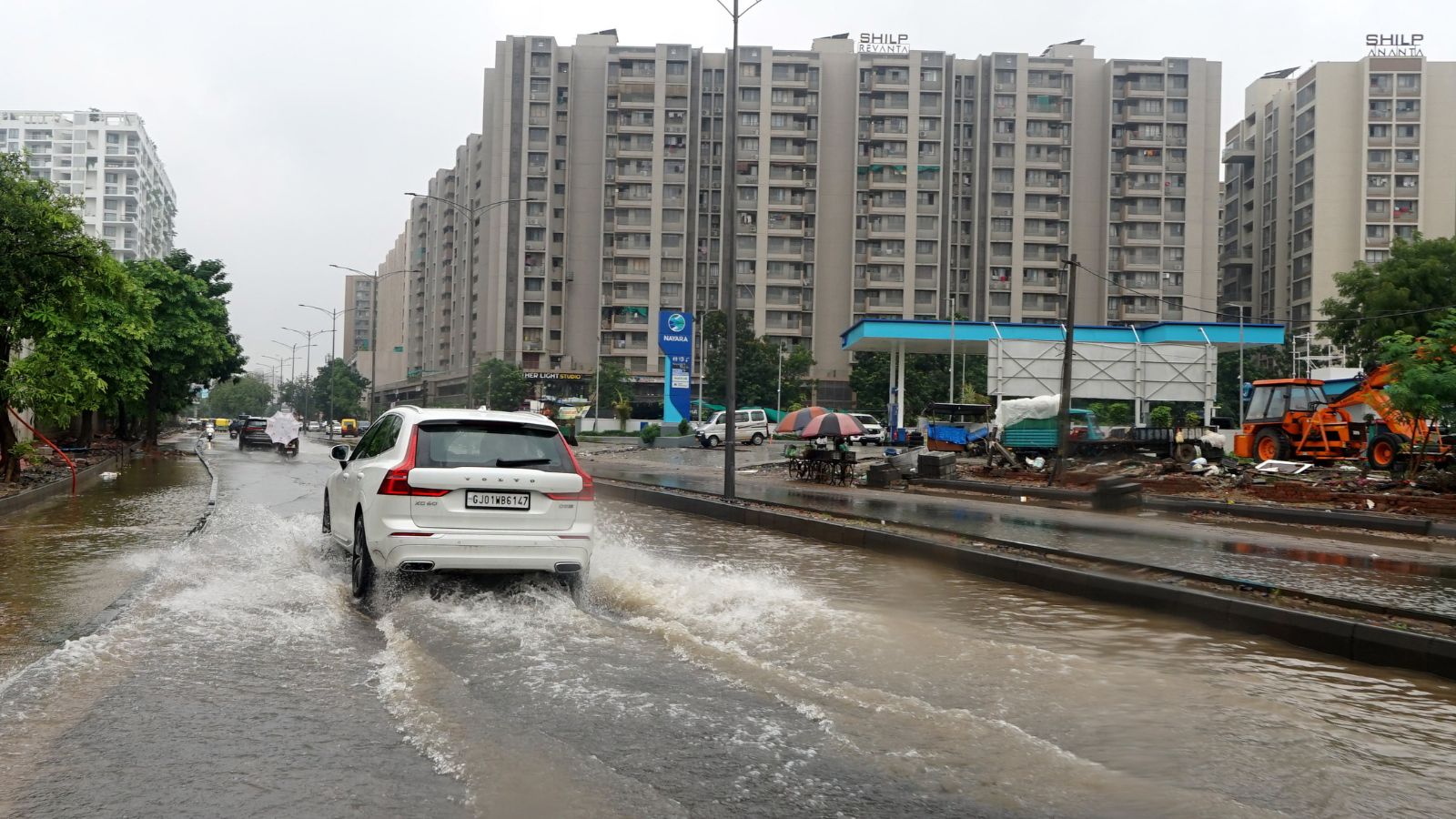
Agricultural regions across Gujarat are once again on high alert as meteorological forecasts indicate a fresh spell of heavy rainfall set to impact the southern districts on July 30 and 31. This latest weather system threatens to exacerbate conditions in areas already reeling from recent flooding and soil saturation. Following this period, the India Meteorological Department (IMD) has signaled a northward shift in the monsoon’s intensity, with heavy precipitation expected to move into central and northern districts on August 1 and 2. For farmers across the state, the coming week presents a critical window for crop protection and water management as the monsoon continues to demonstrate high volatility.
Persistent Challenges in Flood-Affected Southern Districts
The southern belt of Gujarat, which serves as a vital hub for sugarcane, paddy, and horticultural production, remains particularly vulnerable due to recent heavy downpours. The anticipated rainfall on July 30 and 31 poses a significant risk to fields where water stagnation has already compromised root health. Agronomists emphasize that prolonged waterlogging in these regions can lead to nutrient leaching, effectively starving crops of nitrogen and essential minerals at a time when they require peak nourishment for vegetative growth.
Beyond the immediate risk of crop loss, the agricultural infrastructure in these flood-hit zones is under immense strain. Saturated soil profiles reduce the structural integrity of bunds and irrigation channels, increasing the likelihood of soil erosion and the loss of topsoil. Farmers in these districts are currently facing the dual challenge of managing excess water while simultaneously attempting to mitigate the threat of fungal diseases, which thrive in the high-humidity, post-rain environment.
Northward Progression: Preparing for a Shift in Monsoon Activity
As the weather system tracks toward central and northern Gujarat, the focus shifts from flood recovery to proactive risk management. The IMD’s forecast for August 1 and 2 suggests that districts in the northern interior, which may have seen comparatively lower rainfall in the early season, could face sudden, intense bursts of precipitation. This shift requires a rapid change in strategy for farmers dealing with different crop cycles, particularly those cultivating cotton and groundnut, which are sensitive to moisture extremes.
In regions expecting increased activity, the primary concern is the potential for localized inundation of low-lying fields. Unlike the southern districts, which are currently managing the aftermath of recent floods, northern farmers must ensure that drainage networks are cleared and that any standing water from previous minor rains is evacuated before the new front arrives. The unpredictability of these weather patterns underscores the importance of real-time monitoring and regional cooperation in water drainage efforts.
What This Means for Farmers
The upcoming week is a critical period for agricultural risk mitigation. To navigate these challenges, farmers should prioritize the following actions:
- Drainage Maintenance: Ensure that field drainage channels are unobstructed. In waterlogged areas, creating small trenches can help divert excess water away from the root zones of sensitive crops.
- Disease Monitoring: Increased humidity and soil moisture are prime conditions for pathogens. Monitor crops closely for early signs of fungal infections or blight, and consult with local agricultural extension offices regarding the appropriate timing for protective fungicide applications, ensuring they are not washed away by subsequent rains.
- Nutrient Management: With heavy rain causing nitrogen leaching, consider split-application of fertilizers once the rainfall subsides. Avoid applying granular fertilizers immediately before predicted heavy downpours to prevent significant nutrient runoff.
- Livestock Safety: Ensure that livestock are moved to higher, dry ground well in advance of the storm. Store fodder in elevated, moisture-proof locations to prevent spoilage and the development of mycotoxins, which can be hazardous to animal health.
- Economic Preparedness: Keep detailed records of crop status and any damage incurred. These logs are essential for insurance claims and potential state-level disaster relief applications.
By staying vigilant and executing these preventative measures, farmers can minimize the impact of the predicted rainfall and protect their yield potential for the remainder of the kharif season. As the monsoon continues to exhibit erratic behavior, adaptive management remains the most effective tool in the producer’s arsenal.


