Digital Rupee Integration Marks New Era for Public Distribution System
In a pioneering move that signals a significant shift in India’s welfare distribution infrastructure, a Union Territory has become the first in the country to execute a full-scale rollout of the Digital Rupee (e₹) under the Pradhan Mantri Garib Kalyan Anna Yojana (PMGKAY). This transition moves beyond traditional cash transfers or physical grain distribution, utilizing Central Bank Digital Currency (CBDC) to streamline the delivery of food subsidies directly to the citizens who need them most.
The initiative represents a sophisticated convergence of blockchain technology and food security policy. By integrating the e₹ into the existing Public Distribution System (PDS), the administration is effectively digitizing the entire lifecycle of a subsidy. This pilot program aims to replace legacy systems with a transparent, programmable, and highly efficient financial mechanism that ensures public funds are utilized exclusively for their intended purpose: the acquisition of essential nutritional commodities.
The Mechanics of Programmable Currency in Food Security
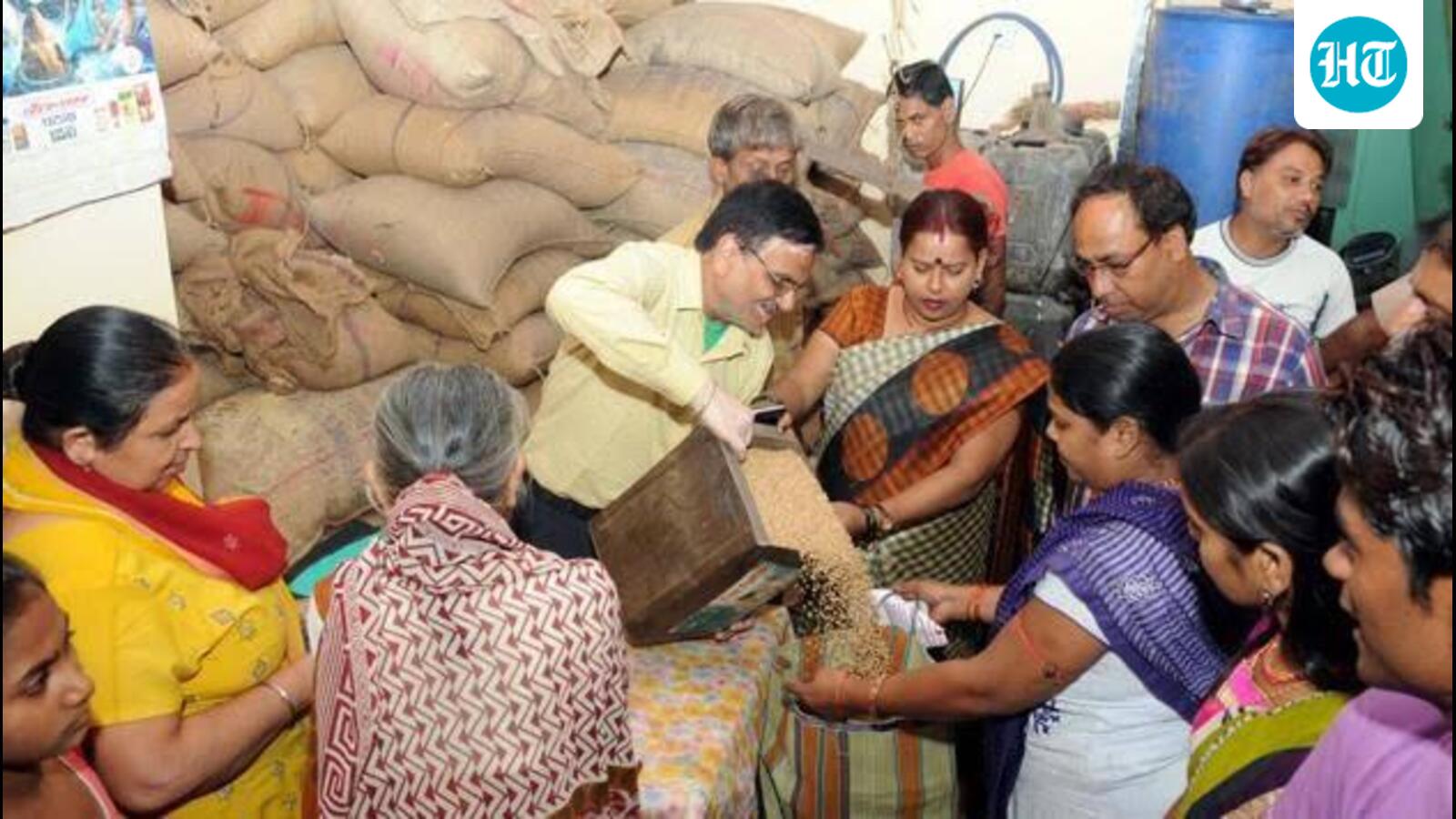
The core innovation behind this rollout is the "programmability" of the Digital Rupee. Unlike standard bank transfers, where funds can be diverted or held in savings, the e₹ issued under this scheme is embedded with smart contract protocols. These protocols restrict the digital currency to specific merchant categories, effectively acting as a "digital voucher" that can only be redeemed for notified foodgrains, such as wheat and rice, at authorized Fair Price Shops (FPS).
This technical framework offers several advantages over the existing Direct Benefit Transfer (DBT) model. First, it eliminates the possibility of fund leakage. Because the currency is programmed to recognize only authorized merchant IDs associated with the PDS network, the likelihood of the subsidy being diverted for non-essential purchases is minimized. Second, the system facilitates real-time settlement. Merchants and retailers no longer face the lengthy reconciliation periods associated with traditional banking transfers; the transaction is finalized instantaneously upon the digital handoff, ensuring that the supply chain remains liquid and robust.
Enhancing Transparency and Supply Chain Integrity
Beyond the immediate benefit of secure delivery, the adoption of the Digital Rupee offers a granular view of the food distribution ecosystem. Every transaction conducted via e₹ leaves an immutable audit trail on the distributed ledger. For policymakers, this provides unprecedented insights into consumption patterns, regional demand fluctuations, and the velocity of grain movement from the Food Corporation of India (FCI) godowns to the consumer’s plate.
By digitizing the point of sale, the administration can monitor the performance of individual Fair Price Shops with surgical precision. If a particular region reports a sudden spike in redemption activity or if a merchant attempts to process unauthorized transactions, the system can flag these discrepancies immediately. This technological oversight is expected to reduce administrative overhead and decrease the reliance on manual verification processes, which have historically been susceptible to human error and logistical bottlenecks.
What This Means for Farmers
While the immediate impact of this digital rollout is directed toward the consumer, the long-term implications for the agricultural sector are profound. For farmers, the stabilization of the PDS through digital currency ensures that the demand for staples like wheat and rice remains predictable and consistent.
Predictable Demand: A more efficient PDS, bolstered by the Digital Rupee, reduces grain wastage and ensures that procurement targets are met with higher accuracy. When the government can forecast consumption needs through real-time data, it allows for better planning of procurement cycles, which directly stabilizes market prices for producers.
Streamlined Value Chains: As the government moves toward a more digitized procurement and distribution system, farmers can expect a more transparent interface with state agencies. The reduction of inefficiencies in the distribution network often translates to a faster turnover of stocks, meaning that the government can procure fresh harvests more effectively, potentially reducing the storage burden on farmers and improving the quality of grain handled by state agencies.
Actionable Advice for Producers: Farmers should monitor these developments closely as they represent a broader trend toward the digitization of the entire agricultural value chain. Producers who integrate digital record-keeping and align their production cycles with government procurement data will be better positioned to benefit from a market that is increasingly data-driven and transparent. As the Digital Rupee continues to permeate the rural economy, farmers should also look toward adopting digital payment tools for their own input purchases, as these will soon become the standard for all government-backed agricultural support programs.