Current Status of Kharif Crop Sowing in India
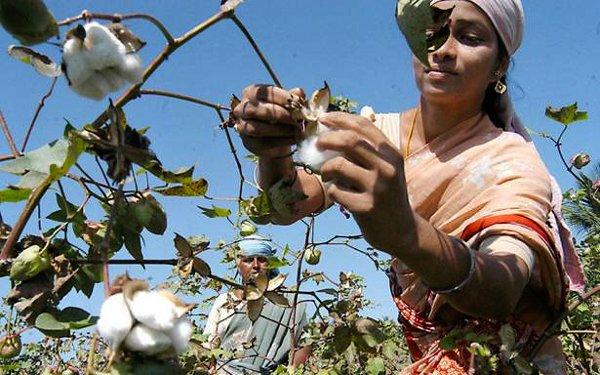
Recent data indicates a slowdown in the progress of kharif crop sowing across India. According to information reported by The Hindu - Business Line, the total acreage covered by various crops has fallen short by 21 lakh hectares compared to the figures recorded at the same time last year.
Despite this reduction in total area, the overall progress of sowing has reached 92% of the normal area. Furthermore, the national deficit in overall crop coverage has narrowed to less than 1%, suggesting that while the pace has slowed, the total land utilization remains close to expected seasonal norms.
Breakdown of Crop Coverage
The agricultural landscape currently shows varying levels of progress across different crop categories. While the aggregate coverage is nearing the 92% threshold, specific crops are experiencing different trends in terms of land allocation.
- Overall Acreage: The total area sown for all kharif crops is currently at 92% of the normal levels.
- Year-on-Year Comparison: There is a recorded shortfall of 21 lakh hectares when compared to the corresponding period in the previous year.
- Deficit Metrics: The national deficit regarding total crop coverage has successfully shrunk to below 1%.
Paddy Cultivation Trends
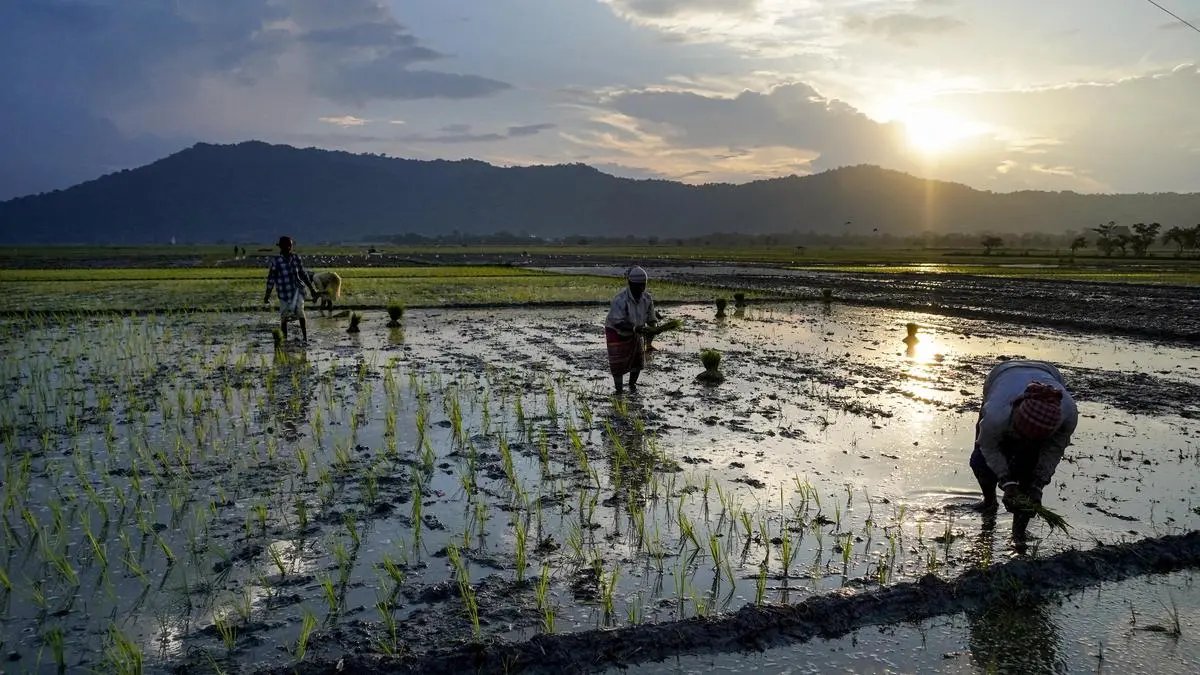
A significant area of focus in the current kharif season is paddy. According to the report, paddy coverage is currently trailing by 3% compared to historical or expected norms. This figure is particularly relevant as paddy is a major component of the kharif crop cycle in India, and its progress is closely monitored by analysts and stakeholders within the agricultural sector.
Understanding the Current Agricultural Context
The term kharif crop refers to crops that are sown at the beginning of the rainy season, typically between April and October, depending on the region. The progress of sowing is highly dependent on rainfall distribution and timing, which directly impacts the total acreage reported in seasonal updates.
While the total area currently lags behind the previous year's performance by 21 lakh hectares, the fact that the national deficit has decreased to under 1% indicates that planting activities have been catching up despite the slower pace. Monitoring these metrics is essential for understanding the potential output for the season, as the total area sown serves as a primary indicator for agricultural production forecasts.
As the season progresses, the agricultural sector continues to track these figures to gauge the overall health and productivity of the kharif planting cycle. The current data provided by The Hindu - Business Line highlights a period where, despite a reduction in year-on-year land coverage, the overall percentage of normal area remains stable.