National Handloom Day 2026: Celebrating the Heritage and Economic Resilience of India’s Weaving Sector
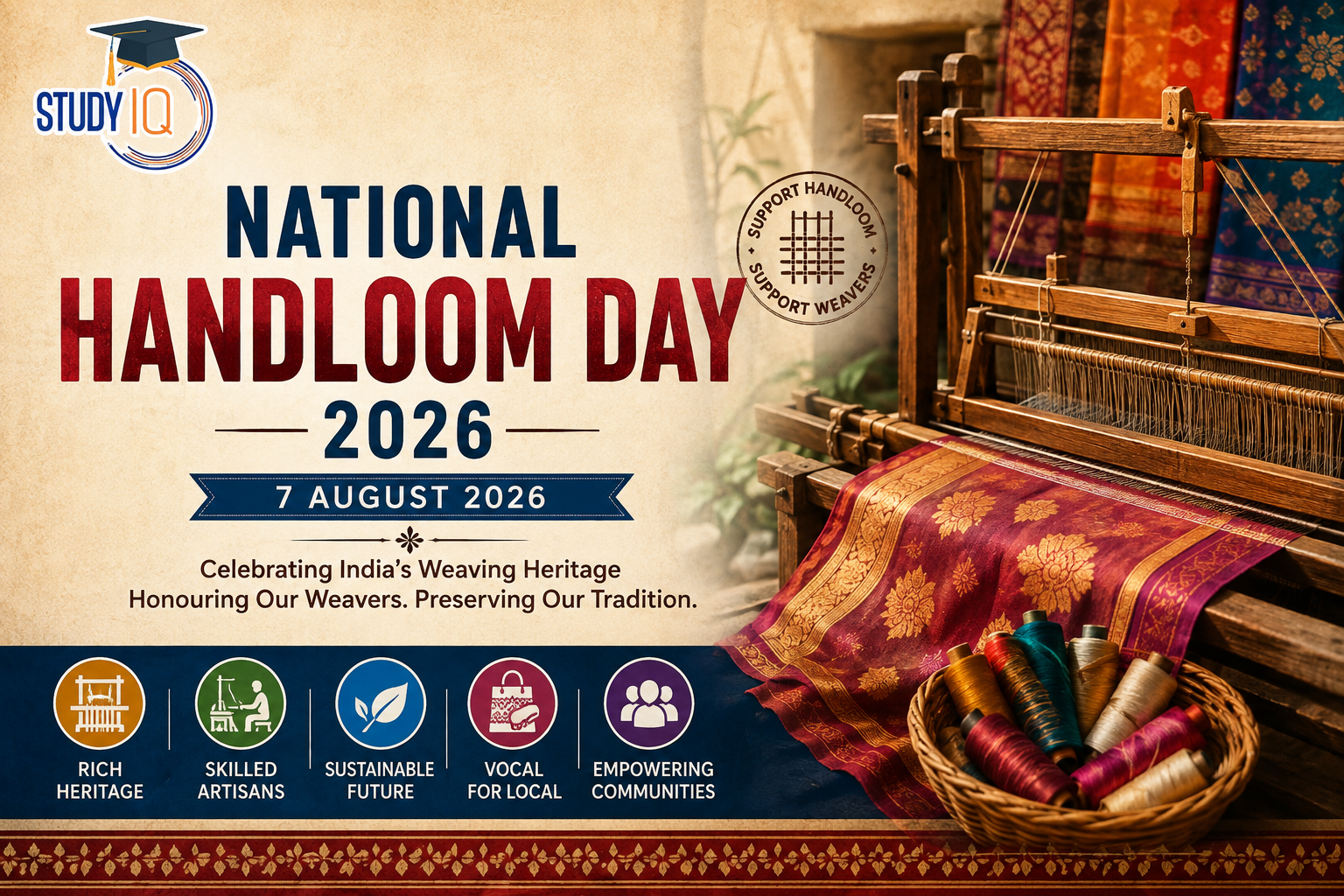
On August 7, 2026, the nation will observe National Handloom Day, a landmark occasion dedicated to honoring the intricate artistry, cultural heritage, and economic contribution of India's handloom weaving community. This annual observance serves as a vital platform to recognize the millions of artisans who sustain ancient traditions while navigating the complexities of a modern, mechanized textile market. As the country marks this day, the focus remains on empowering weavers through sustainable practices, market integration, and the preservation of indigenous craft techniques that are intrinsically linked to India’s rural economy.
The Historical Context and Significance of August 7
The choice of August 7 for National Handloom Day is deeply rooted in India’s struggle for independence. On this day in 1905, the Swadeshi Movement was formally launched at the Calcutta Town Hall, marking a pivotal moment in the nation’s history. The movement championed the boycott of foreign-made goods and encouraged the use of domestically produced products, particularly hand-spun and hand-woven cloth, as a powerful tool for self-reliance and economic sovereignty.
By designating this date as National Handloom Day, the government seeks to reconnect contemporary consumers with the historical significance of the loom. Beyond its symbolic value, the day serves as a critical reminder that the handloom sector is one of the largest unorganized economic activities in India. It provides direct and indirect employment to millions, particularly in rural and semi-urban areas, and acts as a bridge between India’s diverse cultural past and its aspiration for an "Atmanirbhar" (self-reliant) future.
Government Initiatives and the Path Toward Modernization
To ensure the longevity of the handloom sector, the government continues to roll out comprehensive schemes aimed at improving the socio-economic status of weavers. These initiatives typically revolve around three core pillars: infrastructure support, financial inclusion, and market access.
- Credit and Financial Support: Various loan schemes are designed to provide weavers with working capital at subsidized interest rates, shielding them from the predatory lending practices often found in the informal credit market.
- Skill Upgradation and Design Innovation: Programs focusing on modern design trends, color forecasting, and improved weaving techniques are essential to help artisans remain competitive against mass-produced power-loom textiles.
- Digital Market Integration: By facilitating the transition from traditional local markets to e-commerce platforms, the government aims to help weavers bypass middlemen, ensuring a higher percentage of the retail price reaches the artisan’s household.
- Geographical Indication (GI) Tagging: The ongoing push for GI registration for regional handloom varieties is a strategic move to protect the intellectual property of weaving clusters, preventing the imitation of traditional designs by industrial manufacturers.
What This Means for Farmers and the Rural Economy
For the agricultural community and the broader rural economy, the health of the handloom sector is inextricably linked to the supply chain of raw materials. The sustainability of weaving is dependent on the availability of high-quality natural fibers, including cotton, silk, jute, and wool.
Strengthening the Value Chain: Farmers involved in the cultivation of natural fibers stand to benefit from a thriving handloom sector. A high demand for organic, hand-spun cotton and naturally dyed silk creates a premium market for agricultural produce. Farmers who adopt sustainable, pesticide-free cultivation practices can often find lucrative long-term partnerships with weaving cooperatives that prioritize ethical and eco-friendly raw materials.
Diversification of Rural Income: For many agricultural households, handloom weaving acts as a secondary or seasonal source of income. During off-seasons in farming, the loom provides a reliable financial cushion. Farmers looking to diversify their income streams should explore local weaving clusters that may be seeking reliable sources of raw fiber or looking to integrate their operations with local agricultural production.
Actionable Advice for Stakeholders:
- Explore Cooperatives: Farmers and weavers alike are encouraged to participate in or form cooperatives to gain better bargaining power in the procurement of raw materials and the distribution of finished goods.
- Focus on Quality and Traceability: As global consumers become increasingly conscious of the origins of their clothing, farmers who can certify the quality and sustainability of their fiber production will find themselves in a stronger position within the handloom value chain.
- Leverage Government Support: Stakeholders should actively monitor updates from the Ministry of Textiles regarding subsidies for raw material procurement and participation in regional exhibitions, which remain the most effective way to connect directly with buyers and textile houses.
Ultimately, National Handloom Day is more than a celebration of aesthetics; it is a call to action for a more resilient, localized, and sustainable production model that values the hands that harvest the fiber as much as the hands that weave the fabric.