Emerging Health Crisis: The 2026 Chandipura Virus Outbreak and Its Impact on Rural Communities
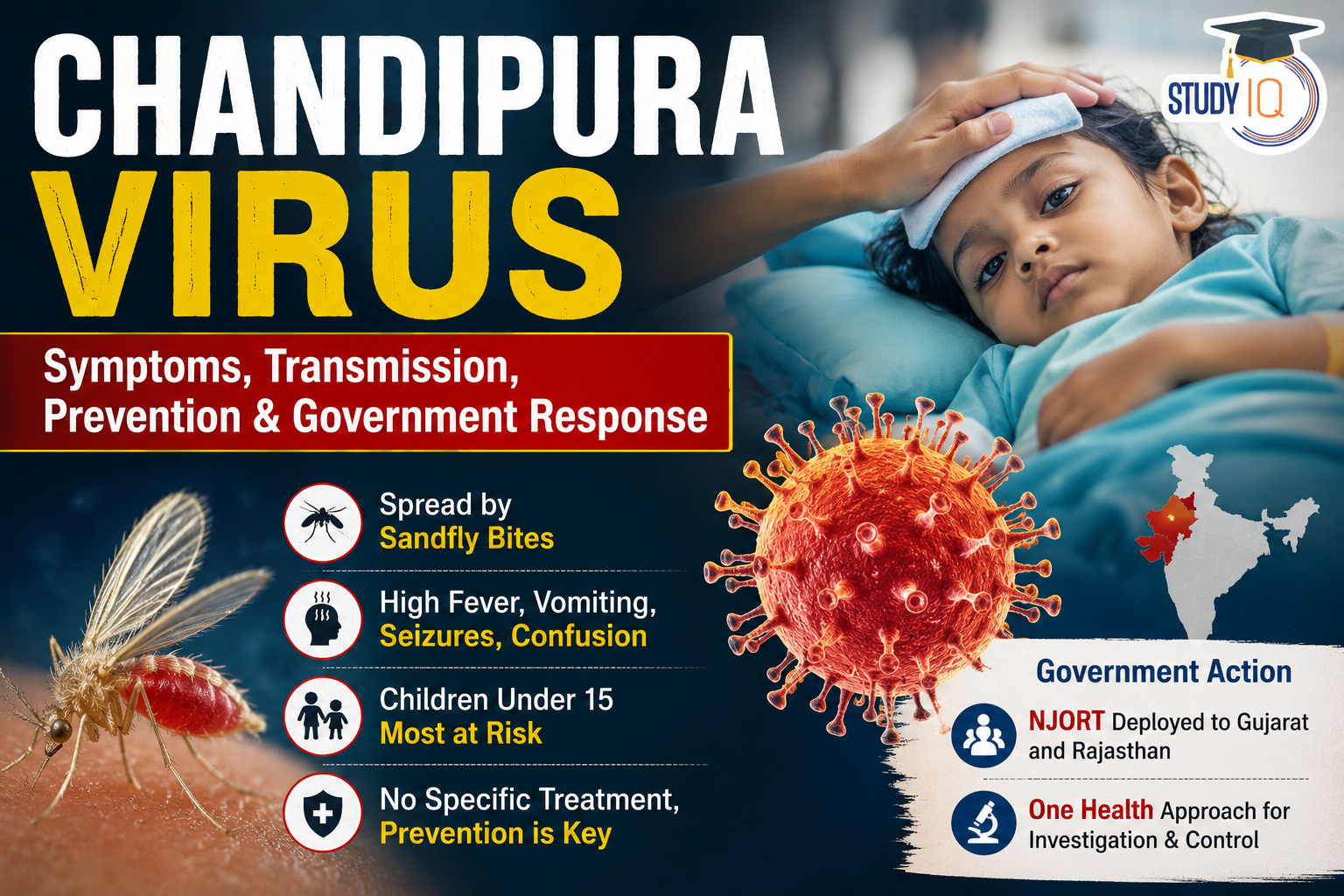
A concerning surge in Chandipura virus (CHPV) cases has been reported across parts of Gujarat and Rajasthan, prompting urgent health advisories from state and central authorities. As the 2026 monsoon season progresses, the uptick in viral activity has reignited discussions regarding vector-borne disease management in agrarian regions. The Chandipura virus, a member of the Rhabdoviridae family, is known for its rapid progression and high mortality rate, particularly among pediatric populations. Health departments in the affected states are currently mobilizing surveillance teams to monitor high-risk zones, emphasizing the need for heightened awareness among rural households where the nexus between livestock, human dwellings, and insect vectors is most pronounced.
Understanding the Vector: Transmission and Environmental Factors
The Chandipura virus is primarily transmitted through the bite of infected sandflies (Phlebotomus papatasi). These vectors thrive in specific environmental conditions, notably in rural settings where mud-plastered walls and animal shelters provide ideal breeding grounds. The virus is zoonotic, meaning it circulates within animal populations before jumping to humans. Research suggests that the virus often persists in domestic animals, which act as amplifying hosts, bringing the pathogen into close proximity with human residences.
The 2026 outbreak is being exacerbated by localized weather patterns, specifically high humidity and temperature fluctuations that favor the proliferation of sandfly populations. Unlike many other common viruses, CHPV does not exhibit a direct human-to-human transmission pathway. Instead, the risk is tied entirely to the density of the vector population and the frequency of human interaction with these insects. Public health experts note that the most effective way to curb the spread is to disrupt the life cycle of the sandfly through improved sanitation and the maintenance of livestock enclosures away from sleeping areas.
Clinical Presentation and the Challenge of Early Diagnosis
The clinical progression of the Chandipura virus is notoriously swift, often mimicking other febrile illnesses such as dengue or Japanese encephalitis. Initial symptoms typically include the sudden onset of high-grade fever, severe headaches, and vomiting. However, the virus has a particular affinity for the central nervous system. In many cases, patients—particularly children under the age of 15—experience rapid neurological deterioration, which can manifest as convulsions, altered consciousness, and coma within hours of the initial symptoms.
Because there is currently no specific antiviral treatment or vaccine available for CHPV, clinical management is strictly supportive. Early hospitalization is critical to provide intensive care, including the management of intracranial pressure and respiratory support. The government response in Gujarat and Rajasthan has centered on strengthening diagnostic capabilities in district hospitals, ensuring that primary health centers are equipped to recognize the early warning signs of the virus to facilitate timely referrals to specialized neurological units.
What This Means for Farmers
For the farming community, the 2026 Chandipura outbreak necessitates a proactive approach to farmstead hygiene and livestock management. The economic and human cost of this virus can be devastating to rural families, making prevention the most viable strategy.
- Sanitation of Livestock Areas: Since sandflies breed in the crevices of mud walls and organic waste, farmers are advised to regularly clean and plaster the walls of animal shelters. Keeping livestock at a distance from human sleeping quarters is a primary defense mechanism against vector entry.
- Vector Control Measures: The use of insecticide-treated bed nets (ITNs) is highly recommended, especially during the twilight hours when sandfly activity peaks. Clearing vegetation and debris around the home can also reduce the resting habitats for these insects.
- Early Symptom Recognition: Farmers must prioritize immediate medical intervention if a child develops a sudden fever accompanied by vomiting or lethargy. Time is the most critical factor in survival; delaying treatment in hopes that the fever will break naturally can lead to irreversible neurological damage.
- Community Cooperation: Engaging with local health workers (ASHA workers) and reporting unusual clusters of febrile illness in the village can help authorities map the outbreak and deploy vector control teams (such as indoor residual spraying) before the virus spreads further.
While the current outbreak is under intensified monitoring, the agricultural community plays a pivotal role in the containment strategy. By minimizing the proximity between livestock and human living spaces and maintaining high standards of environmental hygiene, farmers can significantly reduce the risk of transmission and protect their families from this volatile pathogen.