Gujarat’s Handloom Renaissance: Empowering Artisans Ahead of National Handloom Day 2026
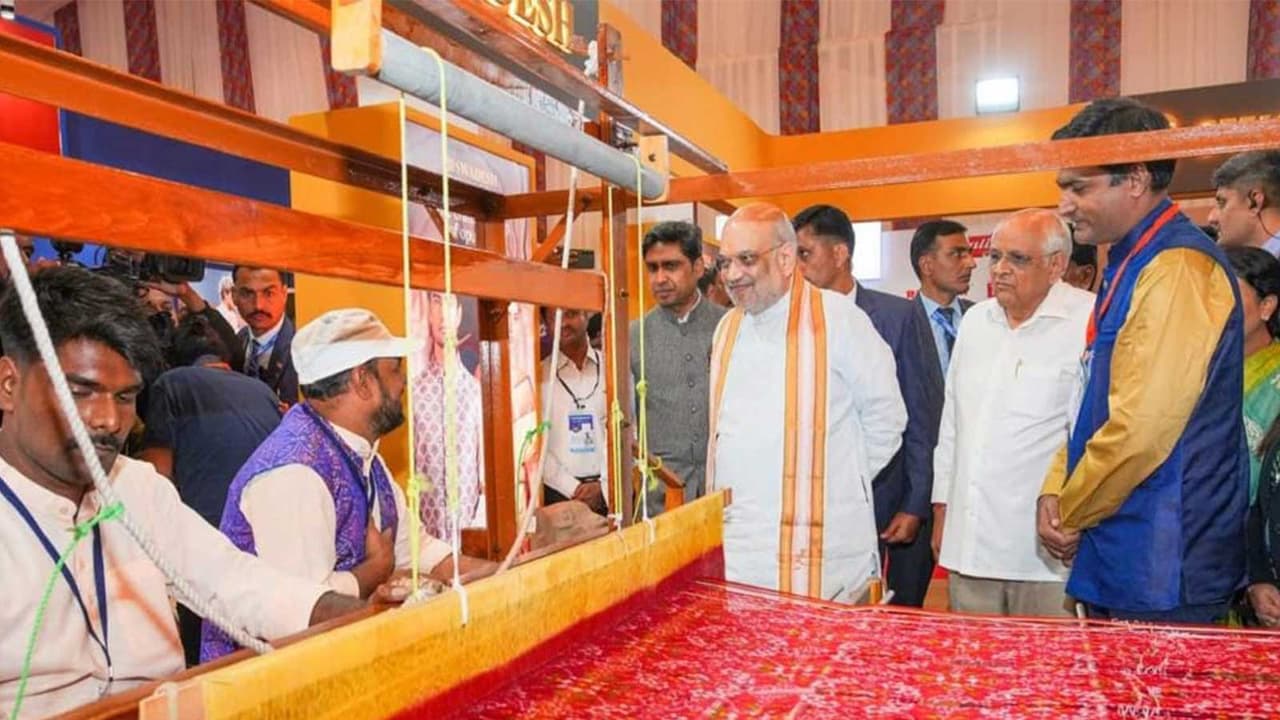
As the nation prepares to observe the 12th National Handloom Day, the state of Gujarat has emerged as a beacon of artisanal revitalization. Through a series of targeted government initiatives aimed at modernizing supply chains and expanding market access, the state has successfully integrated over 12,000 individual weavers into a formalized economic framework. This strategic pivot marks a significant milestone in preserving India’s rich textile heritage while ensuring that traditional craftsmanship remains a viable and profitable livelihood in a rapidly digitizing economy.
The efforts, which culminated in a robust fiscal performance during the 2025-26 period, have seen the handloom sector achieve a turnover exceeding Rs 51.07 crore. By bridging the gap between rural production centers and urban consumer markets, the state government has effectively reduced the reliance on intermediaries, allowing weavers to capture a larger share of the value chain. This structural shift is not merely an economic success but a vital step in preventing the decline of indigenous weaving techniques that have defined Gujarat’s cultural identity for generations.
Strategic Integration and Infrastructure Development
The core of Gujarat’s success lies in its multifaceted approach to weaver empowerment. Recognizing that traditional artisans often struggle with fragmented supply chains and limited visibility, the government implemented a series of programs focused on cooperative formation and digital literacy. By organizing these 12,000 weavers into unified clusters, the state has enabled them to purchase raw materials—such as high-quality yarn and natural dyes—at wholesale rates, significantly lowering production costs.
Beyond procurement, the initiative has prioritized the modernization of weaving technology. While retaining the manual, intricate nature of handloom work, artisans have been provided with upgraded looms and ergonomic tools that enhance output quality and physical comfort. Furthermore, the establishment of direct-to-consumer digital platforms has allowed weavers to bypass traditional market bottlenecks. These digital portals provide a transparent pricing mechanism, ensuring that the labor-intensive nature of hand-woven textiles is appropriately valued by both domestic and international buyers.
Economic Resilience and Sustainable Growth
The achievement of a Rs 51.07 crore turnover in the 2025-26 fiscal year serves as a clear indicator of the sector's growing resilience. This growth is largely attributed to the increasing consumer preference for sustainable, eco-friendly, and ethically sourced fashion. As the global textile market shifts away from fast fashion toward slow, artisanal alternatives, Gujarat’s handloom sector is uniquely positioned to capitalize on this trend.
The government’s support has also extended to brand-building and certification. By implementing strict quality assurance standards, the state has helped weavers secure Geographical Indication (GI) tags for their regional products. This certification protects the artisans from the proliferation of power-loom imitations and enhances the premium appeal of their work. As a result, weavers are no longer just producing fabric; they are positioning themselves as manufacturers of high-end, luxury goods, which has contributed to the stabilization of their household incomes and a reduction in seasonal migration for work.
What This Means for Farmers
The success of the handloom sector has significant, positive externalities for the broader agricultural community in Gujarat. The revitalization of weaving directly supports cotton and natural fiber farmers, creating a closed-loop, local ecosystem that benefits both sectors.
- Increased Demand for Natural Fibers: As handloom production scales up, the demand for high-quality, sustainably grown cotton and silk fibers from local farmers increases. This provides a stable, predictable market for regional growers, reducing their dependence on volatile international commodity prices.
- Value Addition at the Source: Farmers who engage in the initial processing of raw materials—such as spinning or organic dyeing using agricultural byproducts—are finding new avenues for income. This encourages rural diversification, keeping economic value within the farming community.
- Synergy Between Agriculture and Craft: The growth of the handloom sector underscores the importance of "vocal for local." Farmers should look toward integrating their crop production with artisanal supply chains, as this creates a premium market for natural fibers that are increasingly sought after by the conscious consumer market.
- Actionable Advice: Farmers engaged in fiber production are encouraged to seek certification for organic or sustainable growing practices. Partnering with local handloom cooperatives can provide a direct route to market, ensuring that the environmental benefits of their farming methods are reflected in the final retail price of the hand-woven textiles.