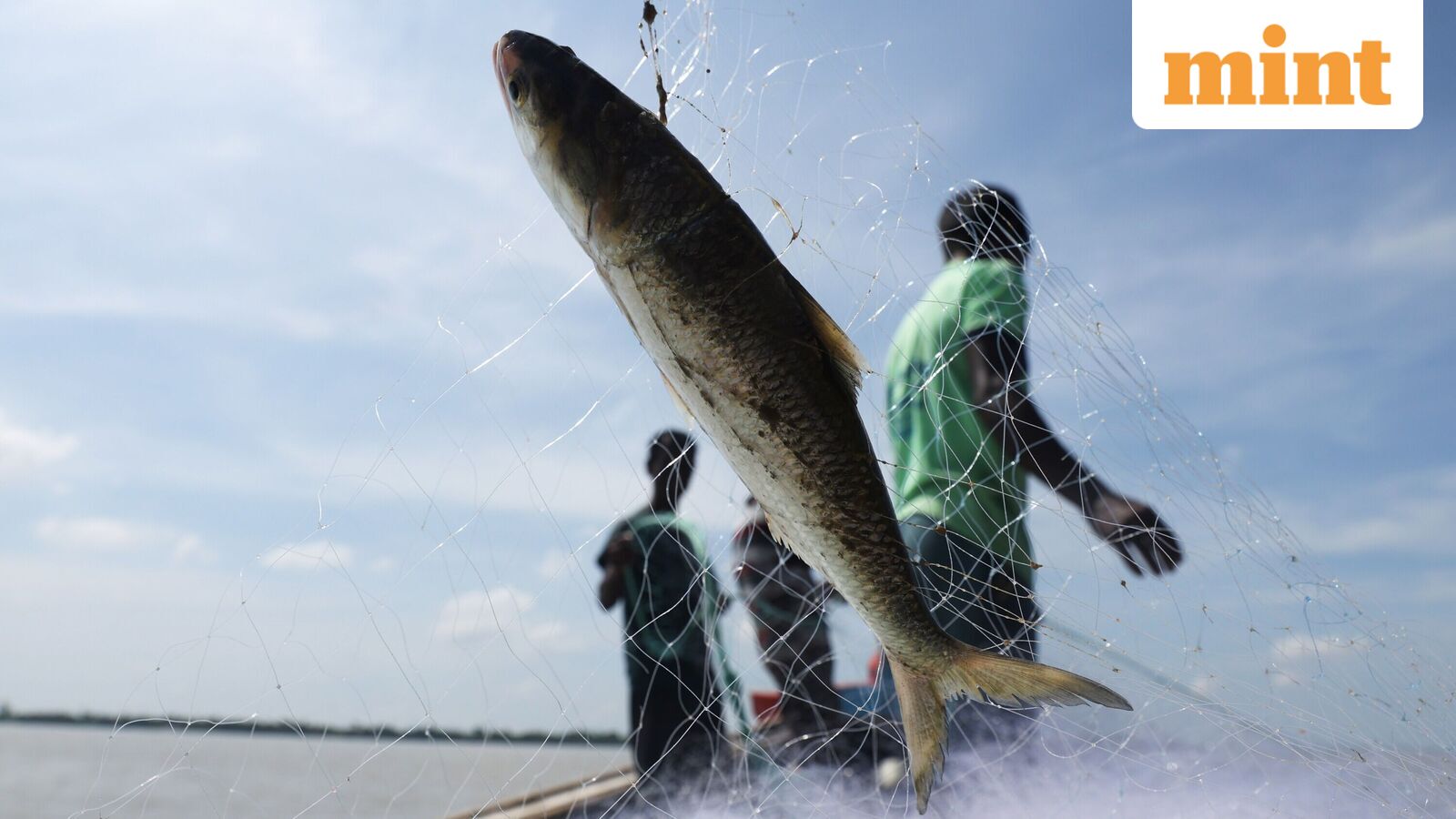
The Monsoon Icon: Why Bengal’s Prized Hilsa Is Vanishing from Local Nets
For the people of Bengal, the arrival of the monsoon is synonymous with the sensory experience of ilish—the hilsa fish, revered as the "King of Fishes." Traditionally, the seasonal migration of this silvery, oily fish from the Bay of Bengal into the freshwater estuaries and river systems of the Ganges delta marks a period of cultural and culinary celebration. However, in recent years, the familiar spectacle of overflowing local catches has become increasingly rare. As the seasonal harvest dwindles, the hilsa found in regional markets is increasingly being sourced from as far afield as Myanmar or the western coast of Gujarat, leaving a significant void in the domestic supply chain.
The Ecological Strain on Riverine Habitats
The decline in indigenous hilsa populations is not a sudden anomaly but the result of cumulative environmental pressures on the riverine ecosystems. Hilsa is an anadromous species, meaning it spends the majority of its life in the sea but must return to freshwater rivers to spawn. This lifecycle makes the fish exceptionally vulnerable to changes in river morphology, water quality, and flow dynamics.
Hydrological alterations, such as the construction of barrages and the accumulation of silt in riverbeds, have significantly restricted the migratory paths of the hilsa. Furthermore, the intensification of industrial activity and agricultural runoff near riverbanks has degraded the sensitive breeding grounds necessary for the survival of the fry. When the river environment is compromised, the fish either change their migratory routes or fail to reach their traditional spawning sites in sufficient numbers, leading to a precipitous drop in the traditional catch volumes recorded by local artisanal fishers.
Regulatory Interventions and the Shift in Market Dynamics
In response to the alarming decline, fisheries departments and environmental agencies have implemented more stringent conservation measures. These regulations often include extended bans on fishing during peak breeding seasons and strict size limits to prevent the harvest of juvenile hilsa, locally known as jatka. While these policies are essential for the long-term sustainability of the species, they contribute to an immediate, noticeable scarcity in local supply.
This supply gap has fundamentally altered the market landscape. To meet the high consumer demand, traders have pivoted toward interstate and international imports. The presence of hilsa from the Gujarat coast and Myanmar in Bengal’s markets highlights the extent to which the local ecosystem is no longer capable of sustaining the appetite for this fish. While these imports ensure that the commodity remains available, they also introduce concerns regarding shelf life, transportation costs, and the preservation of the unique flavor profile that consumers associate with the river-caught variety.
What This Means for Farmers
The declining availability of the hilsa carries significant economic and practical implications for those involved in the broader agricultural and fisheries sector. For aquaculture farmers and rural communities, the situation serves as a critical indicator of broader river health.
- Diversification of Livelihoods: As traditional hilsa fishing becomes increasingly unpredictable, fisherfolk are encouraged to explore sustainable aquaculture practices. Relying solely on capture fisheries is becoming economically precarious; shifting toward integrated farming systems that prioritize water conservation can provide a more stable income stream.
- Importance of Ecosystem Stewardship: The hilsa crisis underscores the reality that agricultural practices—such as the use of pesticides and fertilizers—directly impact downstream aquatic life. Farmers in the river basin must adopt integrated pest management (IPM) and sustainable irrigation techniques to reduce chemical runoff, which is a primary driver of habitat degradation.
- Adapting to Market Shifts: The influx of imported hilsa suggests that market prices will likely remain volatile. Producers should focus on value-added products and cold-chain infrastructure to ensure that any local catch that does reach the market fetches a premium price.
- Compliance as a Catalyst: While strict fishing regulations may feel like a burden, they are designed to prevent the total collapse of the stock. Compliance with spawning season bans is not just a legal requirement but an investment in the future viability of the industry. Farmers and fishers who support these conservation efforts are protecting the very resource that their livelihoods depend upon.
Ultimately, the scarcity of the hilsa is a signal from the ecosystem. Restoring the glory of Bengal’s favorite fish will require a balanced approach that respects the biological requirements of the species while supporting the economic needs of the communities that rely on the river’s bounty.