Himachal Pradesh Government Announces Major Pay Revision for Medical Officers
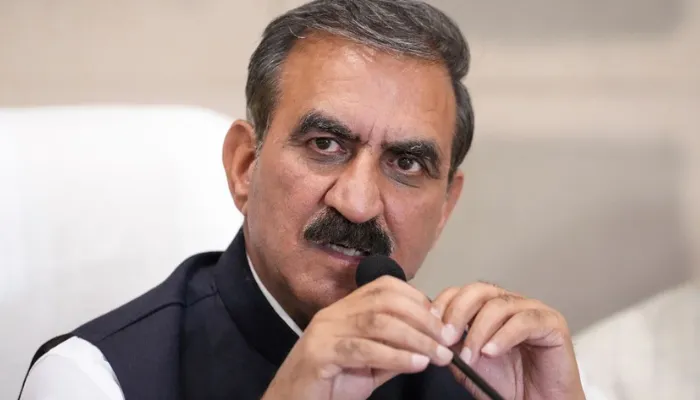
In a significant policy shift aimed at fortifying the state’s healthcare infrastructure, Himachal Pradesh Chief Minister Thakur Sukhvinder Singh Sukhu has officially authorized a substantial 78 per cent salary increase for Contract and Job Trainee Medical Officers (Specialists). This decision represents a major fiscal commitment by the state government to stabilize its medical workforce and address long-standing grievances regarding compensation for professionals operating under contract-based employment models.
Under the revised pay structure, the monthly remuneration for these specialists will rise from the previous figure of Rs. 33,660 to Rs. 60,000. This adjustment is being hailed as a historic development in Himachal Pradesh’s human resource management, specifically within the public health sector. By bridging the gap between existing pay scales and the evolving economic realities of the medical profession, the government aims to improve job satisfaction and retention rates among specialized doctors who play a critical role in providing medical services across the state’s diverse and often challenging geographical landscape.
Addressing Retention and Resource Allocation in Rural Healthcare
The decision to implement such a sharp increase in compensation follows a period of intense deliberation regarding the retention of medical talent in public service. Historically, the disparity between compensation in the private sector and the public health system has led to frequent vacancies in specialized roles, particularly in remote and rural areas. For a state like Himachal Pradesh, where terrain and accessibility create unique logistical hurdles for healthcare delivery, the stability of the medical workforce is paramount.
By elevating the salary floor for Job Trainee Medical Officers, the government is signaling a shift toward a more competitive recruitment strategy. This policy is expected to reduce the attrition rate of specialists who might otherwise seek opportunities in more lucrative private practices or move to other states. Furthermore, this move is viewed as a strategic investment in the state’s primary and secondary healthcare centers. When medical specialists are adequately compensated, it typically leads to a more consistent standard of care, reduced wait times for patients, and a more robust response capability during public health crises or seasonal disease outbreaks that frequently impact the region.
Strategic Impact on State Healthcare Infrastructure
Beyond the immediate financial benefits to the medical officers, this policy adjustment reflects a broader commitment to strengthening the state's institutional capacity. The government’s move to standardize and significantly increase the earnings of contractual staff acknowledges the essential nature of their contribution to the state’s health mission. In the context of economic policy, this expenditure is categorized as an investment in human capital, which is expected to yield long-term dividends in the form of improved public health outcomes.
The administrative process involved in this revision includes a detailed restructuring of the existing pay bands. By streamlining the remuneration for contract and trainee specialists, the government is also aiming to simplify the administrative burden associated with payroll management and contract renewals. This modernization of the state’s healthcare labor policy is likely to serve as a benchmark for other departments, as the government continues to evaluate the efficiency of its contractual workforce across various sectors.
What This Means for Farmers
While this development is centered on the medical sector, the implications for the agricultural community in Himachal Pradesh are significant. A stable, well-staffed public healthcare system is a foundational requirement for a productive rural economy. Farmers and their families, who form the backbone of the state’s economy, rely heavily on government-run health centers in district and sub-district locations for their medical needs.
- Improved Rural Accessibility: A higher retention rate of medical specialists means that rural health centers are less likely to face prolonged closures or staffing shortages, ensuring that farmers have reliable access to care during peak agricultural seasons.
- Economic Stability: When medical specialists are incentivized to remain in the public sector, the overall health security of rural communities improves. Healthy, productive families are better equipped to manage the physical demands of farming, leading to more consistent agricultural output.
- Reduced Financial Burden: By strengthening the public healthcare system, the government reduces the necessity for farmers to travel to distant urban centers or rely on expensive private healthcare providers for routine or specialized medical treatments.
- Policy Precedent: The government’s willingness to address the compensation needs of its workforce demonstrates a proactive approach to governance. Farmers should view this as a positive indicator that the administration is attentive to the economic stability of the various professional pillars that support the state’s infrastructure.