Political Unrest in Prayagraj: Uncertainty Looms Over Rahul Gandhi’s 'Chhatron Ki Goonj' Event
The political landscape in Prayagraj has been thrust into a state of flux following the sudden cancellation of venue permission for the highly anticipated "Chhatron Ki Goonj" (Voice of Students) event, which was scheduled to be headlined by Congress leader Rahul Gandhi on August 8. The event, intended to serve as a platform for dialogue between the opposition leader and the student community, has hit a significant administrative roadblock after the management of KP College officially withdrew its consent for the use of its sports ground.
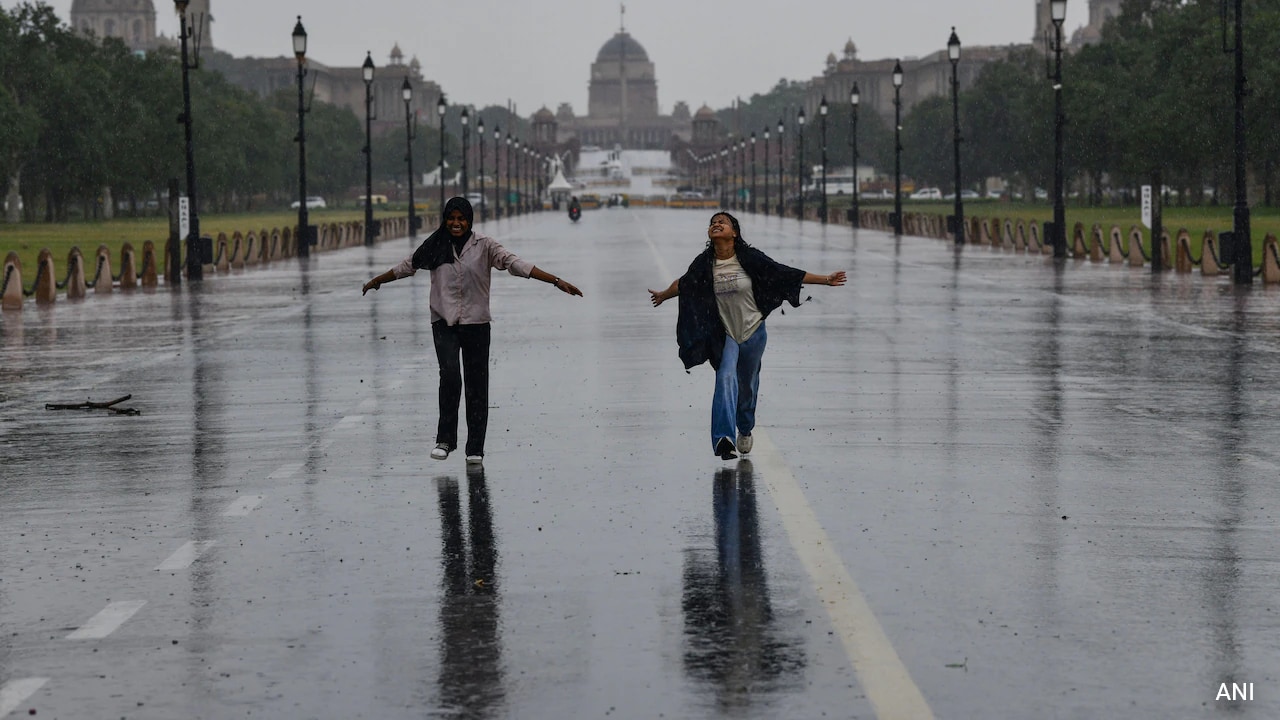
The decision by the college administration has triggered a flurry of political debate, highlighting the complexities of organizing large-scale public engagement programs in sensitive educational zones. As local organizers scramble to find an alternative venue, the incident underscores the growing friction between political mobilization and the logistical constraints of operating within academic institutions during the peak of the monsoon season.
Reasons Cited for the Sudden Revocation
The management of KP College has provided a multi-faceted justification for their decision to rescind the venue permit. Central to their argument is the preservation of the academic environment. College authorities emphasized that the primary function of the facility is to facilitate education, and the potential disruption caused by a high-profile political gathering could compromise the daily operations and security protocols of the institution.
Furthermore, the administration pointed to specific legal and environmental factors. The management cited an existing High Court order, which strictly regulates the usage of public and institutional spaces for non-academic activities to prevent the degradation of college infrastructure. These legal constraints are compounded by the current monsoon weather patterns. With heavy rainfall affecting the region, the college authorities expressed significant concerns regarding the physical condition of the sports ground. They noted that hosting a large crowd under the current meteorological conditions would likely result in irreparable damage to the field, creating long-term maintenance issues that the college is not prepared to manage.
Navigating Logistical Hurdles in Public Engagement
The uncertainty surrounding the "Chhatron Ki Goonj" program highlights the broader challenges faced by political entities when attempting to host events in urban spaces. Securing a venue of sufficient capacity in a densely populated city like Prayagraj requires navigating a complex web of municipal permissions, safety clearances, and institutional policies. When such permissions are revoked at the eleventh hour, the logistical burden on event organizers increases exponentially.
For the Congress party, the situation now necessitates a swift pivot. The "Chhatron Ki Goonj" event was designed to capitalize on the energy of the student demographic, a critical constituency in regional politics. The inability to secure the KP College grounds serves as a reminder that political rallies are not merely ideological displays; they are heavy-duty logistical operations that must align with the operational realities of the host institutions. The incident has also sparked discussions regarding the appropriate balance between freedom of assembly and the autonomy of educational institutions to manage their own properties.
What This Means for Farmers
While the immediate focus of this news is on student-oriented political discourse, the incident carries implicit lessons for the agricultural community and rural organizations that frequently engage in similar public advocacy. For farmers' unions and rural advocacy groups planning large-scale meetings or protest demonstrations, the Prayagraj situation serves as a critical case study in event management.
Secure Multiple Contingencies: The primary takeaway is the necessity of having "Plan B" and "Plan C" venues. Relying on a single location, especially an institutional one, carries the risk of sudden administrative or legal intervention. Always ensure backup sites are vetted for accessibility and capacity well in advance.
Understand Local Legal Frameworks: The reference to High Court orders in this situation demonstrates how judicial oversight can impact public gatherings. Farmers' organizations should consult with local legal counsel to understand the specific municipal bylaws and court-mandated restrictions regarding the use of local grounds, particularly during the monsoon season when public infrastructure is more vulnerable to damage.
Prioritize Environmental and Seasonal Planning: The monsoon-related concerns voiced by KP College remind us that seasonal conditions are a legitimate factor in venue management. When planning large-scale agricultural summits or meetings, ensure that the chosen site has adequate drainage and all-weather access. Ignoring these physical realities can provide authorities with a valid, non-political reason to deny or revoke permission, thereby undermining your organizational efforts. Proactive communication with local administrators regarding site restoration plans can often mitigate these concerns before they become grounds for cancellation.