Understanding the Interdisciplinary Nature of UPSC Preparation: From Ecological Conservation to Geopolitics
For aspirants navigating the rigorous terrain of the Union Public Service Commission (UPSC) examinations, the sheer breadth of the syllabus often presents a challenge in synthesis. The modern examination format has shifted significantly away from rote memorization toward a nuanced understanding of how disparate fields—ranging from environmental science and agricultural geography to international relations and macroeconomic policy—interact to shape the contemporary Indian landscape. A review of current affairs, such as those highlighted in the Indian Express UPSC Key for August 3, 2026, underscores the necessity of connecting local ecological issues with global geopolitical shifts.
The Ecological Intersection: Wild Buffalo Habitats and Tea Cultivation
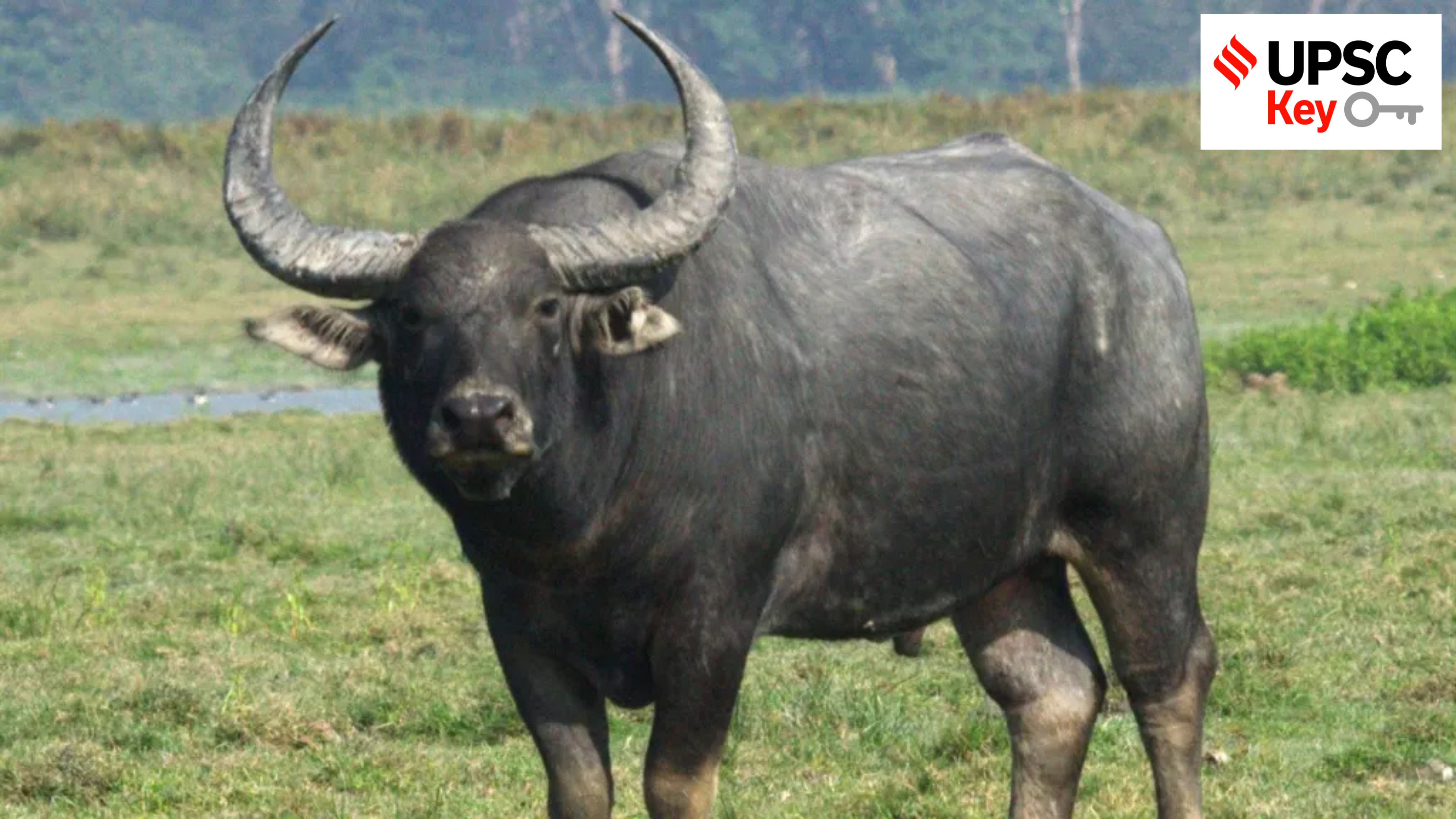
The delicate balance between biodiversity conservation and agricultural expansion remains a critical theme in the UPSC Geography and Environment syllabus. The discussion surrounding the wild buffalo—a species often confined to specific protected areas—serves as a case study for habitat fragmentation. In regions where tea cultivation is a dominant economic driver, the encroachment on forest fringes frequently pits commercial agricultural interests against the preservation of indigenous fauna.
From an agronomic and environmental policy perspective, this conflict highlights the need for sustainable land-use planning. Tea plantations, while vital for the rural economy and export revenue, require specific soil and climatic conditions that often overlap with high-biodiversity corridors. Aspirants are expected to understand the legislative frameworks, such as the Wildlife Protection Act and the Forest Rights Act, that mediate these tensions. Analyzing how these sectors coexist is essential for addressing "General Studies Paper III" questions regarding sustainable development and ecosystem management.
Macroeconomic Stability and Global Geopolitics
Beyond the domestic environmental sphere, the UPSC syllabus demands a high degree of literacy in macroeconomic governance and international relations. The role of the Monetary Policy Committee (MPC) in controlling inflation while fostering growth is a perennial topic. Understanding the MPC’s decision-making process—balancing liquidity, interest rates, and consumer price indices—is vital for the Prelims and Mains alike. When these domestic monetary policies are viewed against the backdrop of international volatility, such as the status of the US-Iran relationship, the complexity of India’s economic autonomy becomes clear.
Geopolitical tensions in oil-producing regions like the Middle East have a direct, cascading effect on India’s import bill, which in turn influences the MPC’s stance on interest rates. Similarly, the inclusion of sporting events like the Commonwealth Games and Asian Games in the UPSC curriculum is not merely about athletic achievement. These events serve as markers of "soft power," diplomatic engagement, and the state’s investment in public infrastructure and social development. Aspirants must analyze these events through the lens of international cooperation and regional influence.
What This Means for Farmers
For the agricultural community and those working in rural development, these macro-level shifts are not merely academic—they represent tangible economic variables. Here is how these developments translate into practical consequences for the farming sector:
- Input Cost Volatility: Global geopolitical instability, particularly in energy-rich regions, directly impacts the cost of fertilizers and fuel. Farmers should monitor international oil prices as a leading indicator for potential hikes in logistics and input costs.
- Land Use and Policy Compliance: As conservation efforts for species like the wild buffalo intensify, farmers in or near protected corridors must remain vigilant regarding land-use regulations. Engaging with sustainable farming certifications can provide a buffer against future environmental policy changes.
- Market Sensitivity: The Monetary Policy Committee’s decisions influence the availability and cost of agricultural credit. When interest rates are high, the cost of borrowing for capital investments—such as irrigation equipment or machinery—increases, necessitating a more conservative approach to debt management.
- Diversification as a Strategy: The intersection of commercial crops like tea with environmental conservation suggests that future agricultural viability may depend on diversifying land use. Incorporating agroforestry or pursuing GI (Geographical Indication) tags can help farmers add value to their products while aligning with ecological standards that are becoming increasingly central to government policy.
Ultimately, the UPSC preparation model encourages a holistic view of the world. By recognizing that a decision made by the Monetary Policy Committee in Mumbai or a geopolitical development in the Middle East has a direct impact on the profitability of a tea estate or the management of a forest fringe, students and stakeholders alike can better navigate the complexities of modern governance and agricultural economics.