Public Health Alert: Government Deploys Multidisciplinary Task Force to Combat Chandipura Virus Outbreak
The central government has mobilized a high-level response to address a burgeoning public health crisis following the identification of Chandipura virus (CHPV) cases. As the virus—a member of the Rhabdoviridae family known for its rapid progression and high mortality rate—begins to affect rural communities, the National Joint Outbreak Response Team (NJORT) has been deployed to the epicenter of the outbreak. This specialized unit, comprising experts from the National Centre for Disease Control (NCDC), the Indian Council of Medical Research (ICMR), and the Department of Animal Husbandry and Dairying, is currently spearheading efforts to contain the spread and mitigate further risk to both human and animal populations.
The Chandipura virus is primarily transmitted by vectors, most notably the sandfly (Phlebotomus papatasi), which is prevalent in tropical and subtropical regions. Because the virus often thrives in environments where livestock are housed in close proximity to human dwellings, the involvement of the Department of Animal Husbandry is critical. The interdisciplinary nature of the NJORT underscores the recognition that this is not merely a clinical challenge, but a complex epidemiological issue rooted in the intersection of rural agriculture, environmental sanitation, and animal-human interface.
Understanding the Vector-Borne Threat
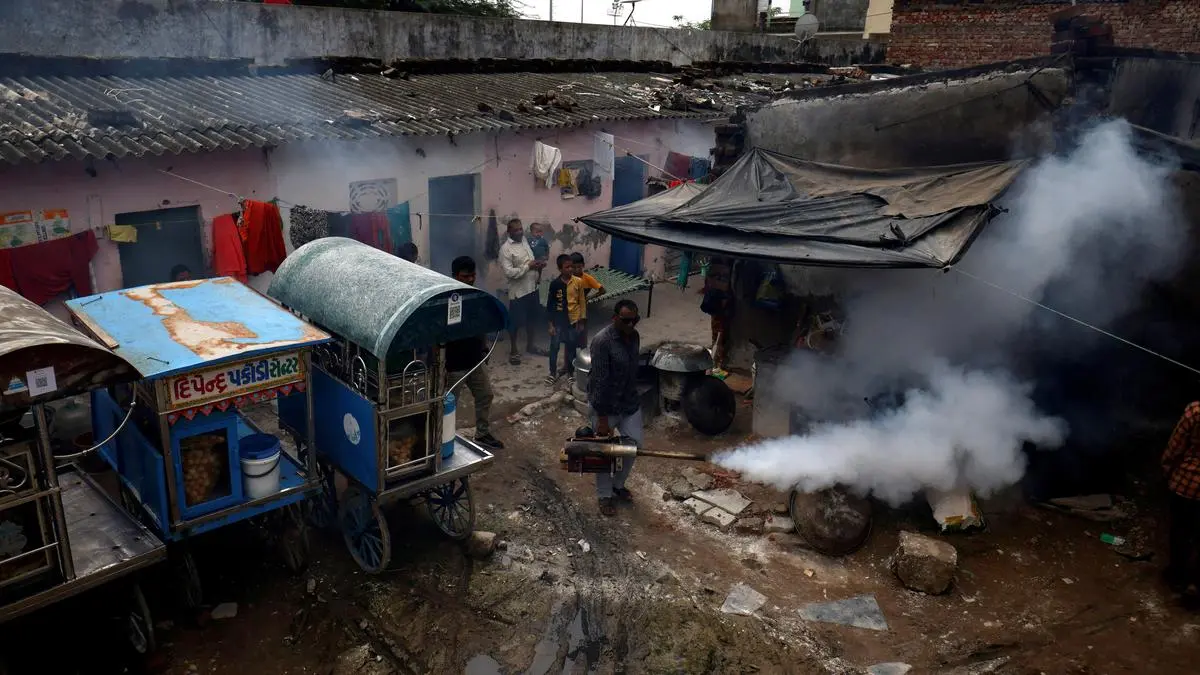
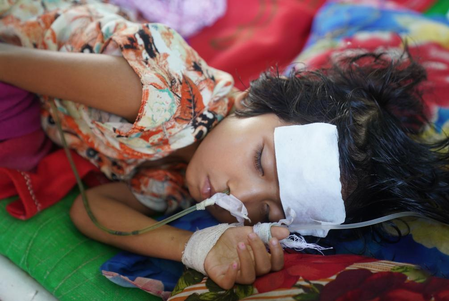
The Chandipura virus is known for its sudden onset, typically presenting with high fever, altered mental status, and, in severe cases, acute encephalitis. The virus is particularly dangerous due to the speed at which it impacts the central nervous system, often leading to rapid deterioration in pediatric populations. Agricultural experts and public health officials are working in tandem to map the density of the sandfly population, which is known to breed in cracks in mud walls, damp soil, and areas with accumulated organic waste.
The current response strategy involves a multi-pronged approach: rigorous vector control, enhanced surveillance, and public education. By utilizing the expertise of the ICMR, authorities are implementing localized testing protocols to distinguish CHPV from other endemic febrile illnesses, such as dengue or Japanese encephalitis. Simultaneously, the Department of Animal Husbandry is conducting health screenings of livestock, as the virus is suspected to maintain a cycle within various animal hosts, even if the primary transmission to humans remains vector-mediated.
Mitigation Strategies and Environmental Management
Controlling an outbreak of this nature requires a significant shift in rural hygiene and infrastructure management. The NJORT is currently overseeing large-scale vector surveillance programs to identify high-risk zones. Public health officials are emphasizing the need for improved housing conditions, specifically the plastering of mud walls—which serve as primary habitats for sandflies—and the importance of maintaining distance between livestock pens and sleeping quarters.
Beyond structural changes, the response team is coordinating with local health departments to ensure that rural healthcare workers are equipped to recognize the early symptoms of the virus. Early detection remains the most effective tool in reducing mortality rates. By streamlining the diagnostic process and ensuring that rural clinics have access to supportive care protocols, the government aims to stabilize patients before neurological symptoms become irreversible.
What This Means for Farmers
For the farming community, the Chandipura virus outbreak serves as a stark reminder of the importance of the One Health approach—the principle that human health, animal health, and environmental health are inextricably linked. Farmers in affected regions should prioritize the following actionable steps to protect their households and livestock:
- Improve Livestock Housing: Ensure that animal shelters are kept clean, dry, and well-ventilated. Removing accumulated manure and organic debris reduces the breeding grounds for sandflies.
- Structural Maintenance: If living in structures with mud walls, attempt to fill cracks and crevices where vectors harbor during the day. Regular maintenance of these surfaces is a critical preventative measure.
- Vector Protection: Utilize insect repellents and protective clothing, particularly during dusk and dawn when sandfly activity is at its peak. Ensure that children, who are most vulnerable to the virus, sleep under insecticide-treated bed nets.
- Monitor Animal Health: While the virus is primarily transmitted through insect bites, maintaining the overall health of your livestock reduces the probability of the premises becoming a hotspot for disease vectors. Report any unusual illness or mortality in livestock to your local veterinary officer immediately.
- Seek Early Medical Advice: In the event of a sudden onset of high fever or neurological changes in family members, do not rely on home remedies. Seek professional medical evaluation at the nearest government hospital immediately to ensure rapid diagnosis and treatment.
The economic impact of such outbreaks can be significant, disrupting agricultural productivity and placing a strain on rural resources. By adhering to the guidelines provided by the NJORT and maintaining rigorous sanitation standards, the farming community can play a vital role in curbing the spread of the virus and safeguarding public health.