The Morbi Phenomenon: Understanding the Hydrogeological Anomaly
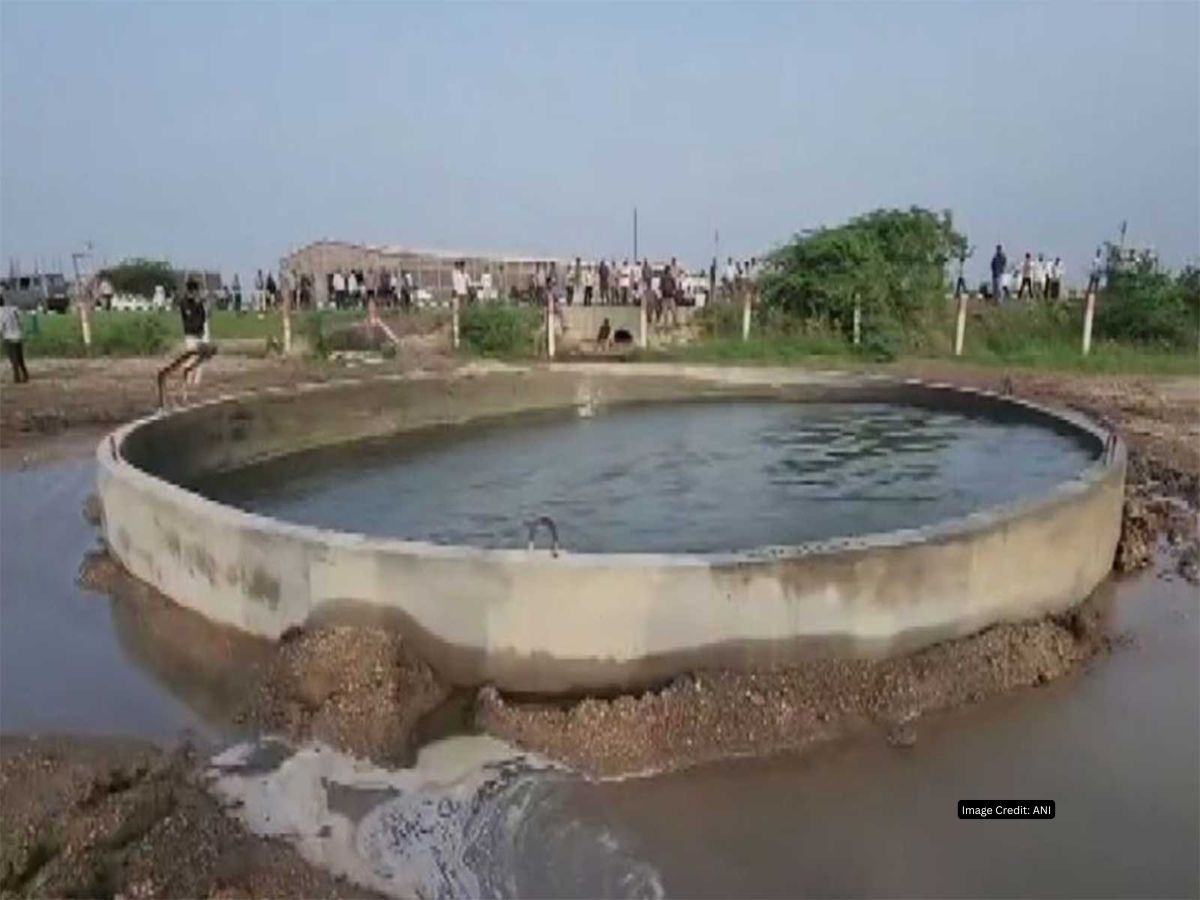
In the rural landscapes of Gujarat’s Morbi district, a peculiar phenomenon has recently captured the attention of both local residents and curious onlookers. A traditional open well, previously unremarkable in its daily function, has begun exhibiting rhythmic, wave-like disturbances on its water surface. These oscillations, characterized by a distinct "shaking" motion, have sparked widespread fascination and a flurry of local speculation. While videos of the rippling water have circulated rapidly across digital platforms, prompting theories ranging from seismic precursors to localized geological shifts, agricultural authorities and hydrogeologists are urging a calm, scientific approach to the mystery.
For the farming communities surrounding Morbi, water security remains a paramount concern. The sight of a well displaying such anomalous behavior naturally triggers anxiety regarding the stability of local aquifers. However, preliminary investigations conducted by district officials and groundwater experts suggest that the event is less a harbinger of disaster and more a consequence of complex—though entirely natural—hydraulic interactions within the subterranean strata.
The Science of Subsurface Pressure and Air Entrapment
To understand why a well might appear to "shake," one must look beyond the surface and into the mechanics of groundwater recharge. In regions like Morbi, where the geological makeup often includes layers of porous rock, sandstone, and limestone, the movement of water is rarely a smooth, laminar process. When significant recharge occurs—whether through localized rainfall or the shifting of water tables—large volumes of water can enter an aquifer rapidly, displacing pockets of trapped air.
As this water infiltrates the well shaft, it can force these air pockets to escape through the water column. This process, often referred to as "air binding" or "gas venting," creates a rhythmic displacement of water. When these air bubbles rise and burst at the surface, they generate concentric ripples and surface agitation that can mimic a low-frequency vibration. In some instances, if the well is connected to a confined aquifer where pressure fluctuations are common, the "shaking" effect is amplified by the sudden release of built-up pneumatic pressure. This is a common occurrence in hydrogeology, particularly following seasonal changes or irrigation-related fluctuations in the water table.
Experts emphasize that this phenomenon is generally localized. The structural integrity of the well itself, provided it has been constructed with standard lining and reinforcement, is rarely compromised by these pressure releases. The curiosity surrounding the Morbi well serves as a reminder of the invisible, high-pressure systems that govern the water sources upon which regional agriculture depends.
What This Means for Farmers
For the farming community, the primary takeaway from the Morbi incident is the importance of distinguishing between natural hydraulic anomalies and genuine structural threats to water infrastructure. While the sight of moving water in a dormant well is unsettling, it is often a sign of a recharging aquifer, which should be viewed as a positive development for irrigation sustainability.
- Monitor for Debris and Siltation: While the "shaking" is likely a result of air displacement, the turbulence can sometimes loosen silt or sediment from the walls of an older well. Farmers should monitor their water quality in the days following such events to ensure that pumps do not become clogged with fine particulate matter.
- Assess Well Integrity: If a well exhibits unusual movement, it is an opportune time to conduct a routine check of the casing and lining. Ensure that there are no signs of structural cracking or significant subsidence around the wellhead, which could indicate that the soil is being washed away by high-velocity water inflow.
- Consult Local Hydrologists: Rather than relying on speculative theories, farmers are encouraged to contact local agricultural extension offices or district groundwater departments if a well displays persistent, violent, or unusual activity. These offices can provide data on regional water table trends and help determine if the activity is consistent with local recharge patterns.
- Manage Pumping Cycles: If a well is currently experiencing high-pressure gas venting, it may be prudent to temporarily reduce pumping rates. Allowing the aquifer to stabilize naturally can prevent the intake of air into irrigation pumps, which can cause cavitations and long-term mechanical damage to pumping equipment.
Ultimately, the Morbi well phenomenon highlights the necessity for ongoing education regarding groundwater management. By understanding the underlying physics of these geological occurrences, farmers can move from a place of apprehension to one of informed stewardship, ensuring that their critical water resources remain both productive and protected.