Public Health Alert: Chandipura Virus Resurgence Sparks Concerns in Rural Gujarat
A series of recent health reports from Gujarat has reignited national anxiety as the Chandipura virus (CHPV) has claimed the lives of 22 children. This sudden spike in mortality has drawn immediate parallels to the tragic 2003 outbreak in the erstwhile undivided districts of Warangal, Karimnagar, and Khammam in Telangana. The rapid onset of the disease, characterized by high fever and neurological complications, has prompted health authorities to bolster surveillance in rural and semi-urban pockets where the virus is primarily endemic.
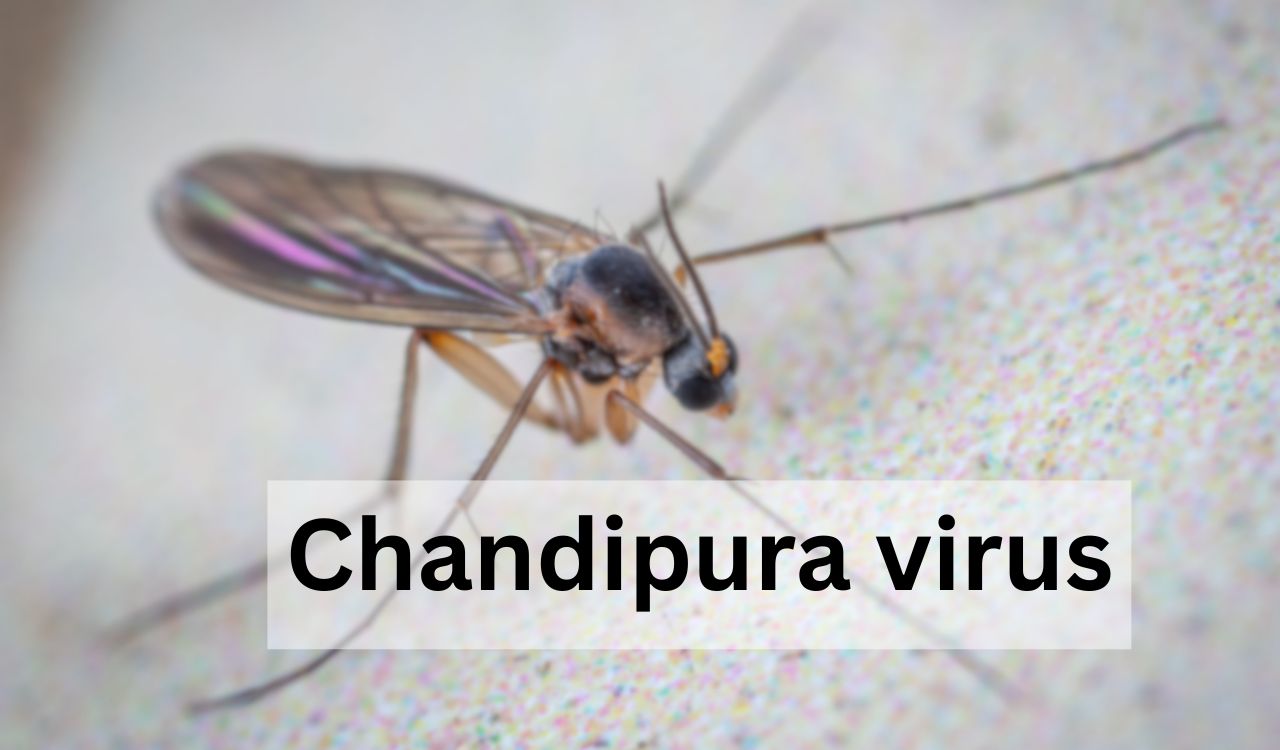
Chandipura virus, a member of the Rhabdoviridae family, is primarily transmitted through the bites of sandflies, which are prevalent in areas with specific environmental conditions often found near agricultural settlements. As the current outbreak continues to evolve, public health experts are urging communities to remain vigilant, emphasizing that while the virus is formidable, timely medical intervention remains the most effective barrier against fatality.
Understanding the Vector: Environmental Links and Historical Context
The history of the Chandipura virus is deeply intertwined with the rural landscape of India. During the 2003 outbreak in Telangana, agricultural laborers and their families were disproportionately affected, as the sandfly vector thrives in environments characterized by mud-walled houses, high humidity, and the presence of organic debris. The virus is zoonotic, meaning it circulates within animal populations before jumping to humans via the bite of the Phlebotomus papatasi sandfly.
The resurgence in Gujarat follows a similar pattern, where seasonal shifts—often involving monsoon rains followed by warm, stagnant conditions—create ideal breeding grounds for vectors. Unlike many other vector-borne diseases that have clear preventative vaccines, CHPV management relies heavily on environmental sanitation and vector control. Experts note that the virus attacks the central nervous system, leading to rapid progression from flu-like symptoms to encephalitis, coma, and, in severe cases, death within a very short window of time.
Clinical Vigilance and the Importance of Early Intervention
Medical professionals are currently focusing on the critical importance of the "golden hour" in clinical management. Because the virus causes rapid swelling of the brain, the margin for error is razor-thin. Early symptoms often mimic common viral fevers—high temperature, vomiting, and body aches—which can lead to initial misdiagnosis. However, the progression to altered sensorium, convulsions, or unconsciousness requires immediate escalation to tertiary care centers capable of providing intensive neurological support.
Public health protocols currently emphasize that there is no specific antiviral treatment for Chandipura. Therefore, supportive care, including fever management, seizure control, and maintaining electrolyte balance, is the primary standard of care. Epidemiologists are advising that any child presenting with a sudden high fever followed by neurological distress in endemic regions must be treated as a suspected case of CHPV and moved to a facility with pediatric intensive care capabilities without delay.
What This Means for Farmers
For the agricultural community, the resurgence of the Chandipura virus serves as a stark reminder of the intersection between rural living conditions and public health risks. To mitigate the threat, farmers and rural residents should consider the following practical steps:
- Improve Housing Hygiene: Sandflies are known to inhabit cracks and crevices in mud walls and floors. Regularly repairing and plastering home walls and ensuring that livestock sheds are kept clean and at a distance from sleeping areas can significantly reduce the proximity of the vector to the household.
- Vector Protection: Utilize fine-mesh mosquito nets, especially during the peak hours of sandfly activity, which typically occurs during the dusk and dawn periods. Protective clothing that covers limbs can also act as an effective physical barrier for those working in fields or around cattle sheds.
- Environmental Management: Keep the immediate surroundings of the home free of organic waste and damp vegetation, which serve as breeding sites for sandflies. Proper drainage around the house prevents the accumulation of moisture that attracts these insects.
- Heightened Awareness: Community leaders and farm cooperatives play a vital role in early warning systems. If multiple cases of high fever with neurological symptoms are observed within a single village or neighborhood, it is imperative to alert local primary health centers immediately to trigger an epidemiological investigation.
- Economic Preparedness: Given the rapid progression of the disease, ensuring access to emergency transport and maintaining awareness of the nearest medical facility equipped for pediatric emergencies is essential. Rapid response is not just a medical necessity; it is the most effective economic safeguard against the devastating loss of life that characterizes CHPV outbreaks.