Turbulence Concerns Rise Following Mid-Air Incident Over Odisha
A recent incident involving an Air India flight traveling from Phuket to Delhi has placed the issue of aviation safety and atmospheric instability back into the spotlight. The aircraft, which reportedly experienced a sudden drop of approximately 300 feet while traversing the airspace over Odisha, left several passengers and crew members injured. While aviation authorities are currently investigating the specific meteorological conditions that led to this abrupt loss of altitude, the event has reignited a broader conversation regarding the increasing frequency of turbulence encounters in Indian skies.
For the agricultural and aviation sectors alike, the atmosphere is becoming an increasingly unpredictable variable. As global climate patterns shift, the intensity and frequency of clear-air turbulence—a phenomenon that occurs without visual warning—are becoming more prevalent. This incident serves as a stark reminder that while modern aircraft are engineered to withstand significant structural stress, the human body remains vulnerable to the sudden, violent shifts in altitude that define severe turbulence.
The Climate Connection: Why Turbulence is Increasing
Meteorological experts have long observed that the changing global climate is not merely altering surface-level weather patterns, but is fundamentally impacting the upper atmosphere. Turbulence is primarily caused by fluctuations in wind speed and direction, often occurring near jet streams—the high-altitude, fast-moving rivers of air that commercial aircraft utilize to optimize fuel efficiency and speed.
Research suggests that rising global temperatures are intensifying the temperature gradients between different layers of the atmosphere. As these gradients sharpen, the sheer force of wind at high altitudes becomes more volatile. For regions like the Indian subcontinent, which experience complex monsoon-driven atmospheric dynamics, these shifts can lead to more frequent "pockets" of unstable air. Unlike convective turbulence, which is often associated with visible storm clouds and radar-detectable weather, clear-air turbulence remains notoriously difficult for pilots to identify until the aircraft is already within the affected zone. This makes the unpredictability of these events a permanent fixture of modern air travel, necessitating a shift in how passengers interact with their environment while in flight.
The Crucial Role of Passive Safety Measures
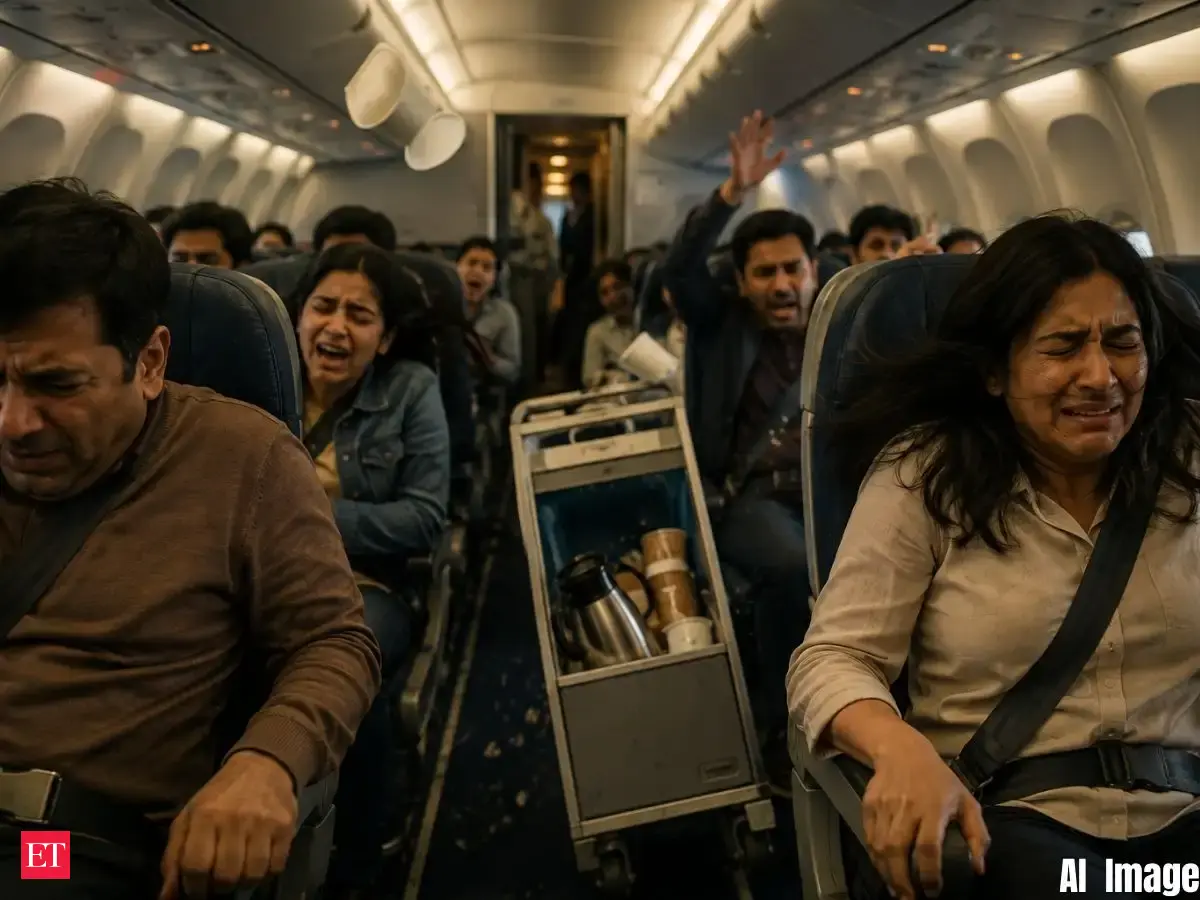
In the aftermath of the Phuket-Delhi incident, aviation safety experts have doubled down on a singular, low-tech solution that remains the most effective defense against injury: the consistent use of seat belts. While passengers often treat the seat belt sign as a suggestion rather than a mandate, the reality of high-altitude flight is that severe turbulence can strike with zero warning, turning a routine flight into a hazardous environment in a matter of seconds.
When an aircraft experiences a sudden drop or shift, individuals who are unbuckled are effectively transformed into projectiles, risking impact with cabin ceilings, overhead bins, or adjacent seating. The physics of such a drop can result in forces that exceed the human body’s ability to brace itself. Aviation authorities emphasize that the most significant injuries in turbulence-related incidents are almost exclusively sustained by those who have unfastened their restraints. By keeping seat belts securely fastened throughout the duration of the flight—even when the seat belt sign is extinguished—passengers mitigate the risk of injury during unexpected encounters with unstable air.
What This Means for Farmers
While this incident occurred in the skies, the underlying meteorological volatility has direct implications for the agricultural community and the broader rural economy. The same atmospheric instability that complicates aviation is also contributing to the increasing unpredictability of regional weather patterns, which are essential for crop planning and risk management.
1. Heightened Risk Awareness: Just as airlines are adjusting protocols to account for climate-driven turbulence, farmers must adopt a similar mindset regarding "unpredictable volatility." Whether in the air or on the field, the ability to anticipate and prepare for extreme, sudden events is becoming a foundational skill in risk mitigation.
2. Economic Impact of Supply Chain Disruptions: For farmers involved in the export of perishables or high-value commodities, air freight is a critical link. Increased turbulence incidents can lead to flight delays, cargo damage, and increased insurance premiums for logistics providers. Farmers should monitor how these aviation trends might affect the reliability of air-cargo logistics for time-sensitive agricultural goods.
3. The Value of Proactive Safety: The "seat belt rule" is a metaphor for modern agricultural management. Proactive investment in crop insurance, weather-resilient infrastructure, and diversified planting strategies acts as a "safety belt" against the volatile climate shocks that are becoming the new normal. By preparing for the unexpected, farmers can protect their livelihoods against the same atmospheric instability that is currently reshaping aviation safety standards.