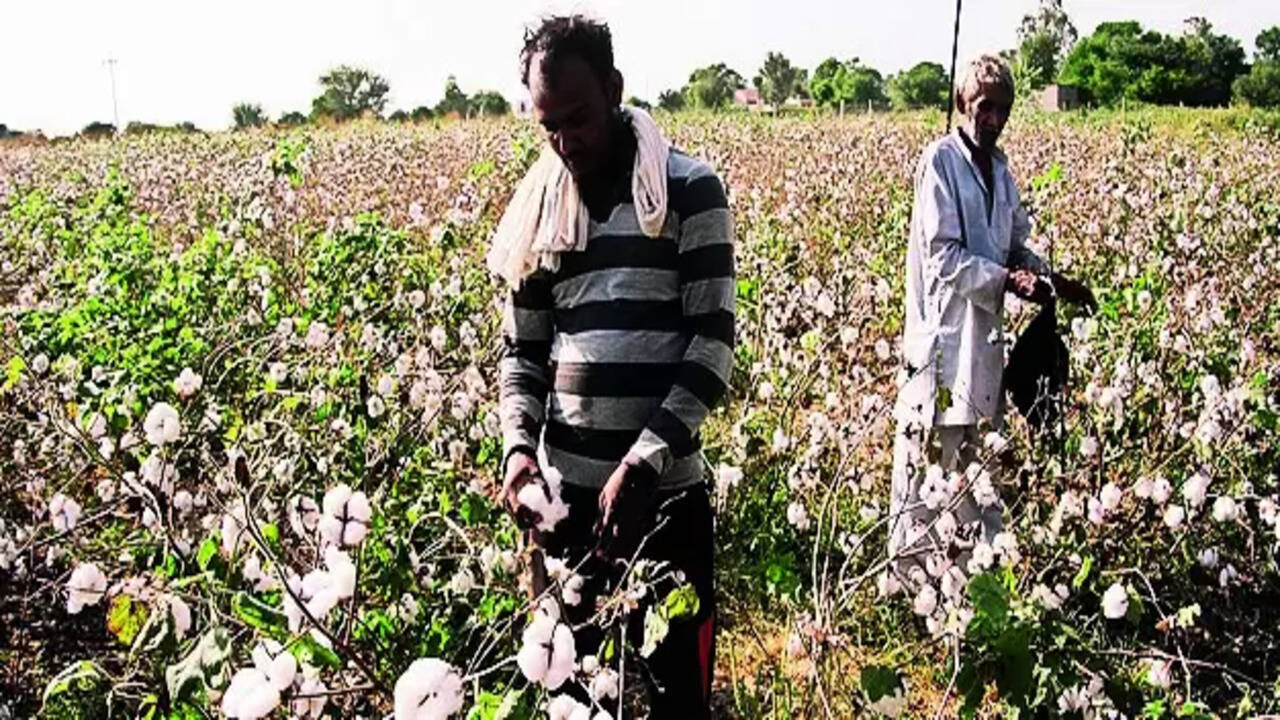
Strategic Early-Season Weed Management Essential to Closing the Cotton Yield Gap
The agricultural sector is facing a pivotal moment in its efforts to revitalize cotton production, with national objectives aiming for a dramatic increase in productivity over the next decade. As the industry strives to elevate yields from the current average of 440 kilograms per hectare to a ambitious target of 755 kilograms per hectare by 2031, industry leaders are emphasizing that the path to this 72 percent growth begins in the earliest stages of the crop cycle. According to Rajavelu NK, CEO of the Crop Care Business at Godrej Agrovet, the cornerstone of this turnaround lies in disciplined, early-season weed control.
The Critical Window for Yield Protection
Cotton is notoriously sensitive to competition during its initial growth phases. In the first 30 to 45 days after sowing, the crop is establishing its root system and preparing for the critical squaring and flowering stages. During this window, weed infestation acts as a significant drain on vital resources. Weeds compete aggressively for sunlight, moisture, and essential soil nutrients, effectively "starving" the young cotton plants before they have the opportunity to reach their full vegetative potential.
Research in agronomy consistently demonstrates that if weeds are left unchecked during this formative period, the resulting stress can lead to stunted growth, reduced boll retention, and ultimately, a permanent loss in yield potential that cannot be recovered through late-season interventions. By managing weed populations early, farmers ensure that the cotton plant’s energy is directed entirely toward structural development and fruit set, rather than survival in a resource-depleted environment.
Integrating Modern Technology and Agronomic Discipline
Achieving a yield increase of over 70 percent requires more than just traditional farming methods; it necessitates a shift toward integrated pest and weed management strategies. The industry is increasingly looking toward a combination of precision chemical applications and improved field hygiene to manage invasive species that have historically plagued cotton-growing regions.
Rajavelu NK notes that the focus must move toward proactive rather than reactive measures. Relying on manual labor for weeding has become increasingly difficult due to labor shortages and rising costs, making the adoption of selective, modern herbicides a necessary evolution for the modern cotton farmer. These inputs, when applied at the correct growth stages, provide a "clean start" for the crop, allowing for more uniform maturity and easier harvesting. Furthermore, this approach aligns with global sustainability standards, as efficient weed control reduces the overall footprint of the crop by maximizing the productivity of each hectare, thereby preventing the need for land-use expansion.
What This Means for Farmers
For the average cotton grower, the path toward the 755 kg/ha target represents both a challenge and a significant economic opportunity. Translating national yield goals into individual farm success requires a shift in management priorities. Farmers should consider the following actionable steps:
- Prioritize the Critical Period: Allocate resources and labor to ensure fields are weed-free during the first 45 days post-emergence. This is the single most effective investment for yield protection.
- Adopt Integrated Weed Management (IWM): Do not rely on a single method. Combine mechanical cultivation with appropriately timed herbicide applications to manage weed pressure throughout the season.
- Monitor Soil Fertility: Healthy, vigorous cotton plants are better at canopy closure, which naturally shades out weeds. Ensure your fertilization program is optimized to give the cotton a competitive advantage early on.
- Economic Impact: By reducing competition early, farmers can significantly lower the cost of production per kilogram. Higher yields per hectare directly translate to better margins, helping to buffer against the inherent volatility of global commodity markets.
Ultimately, the goal of reaching 755 kg/ha by 2031 is achievable if the agricultural community commits to the fundamental principles of crop protection. By viewing early weed control not as an optional expense, but as a mandatory foundation for high-yield farming, growers can position themselves to meet the country's production targets while improving their own long-term financial stability.