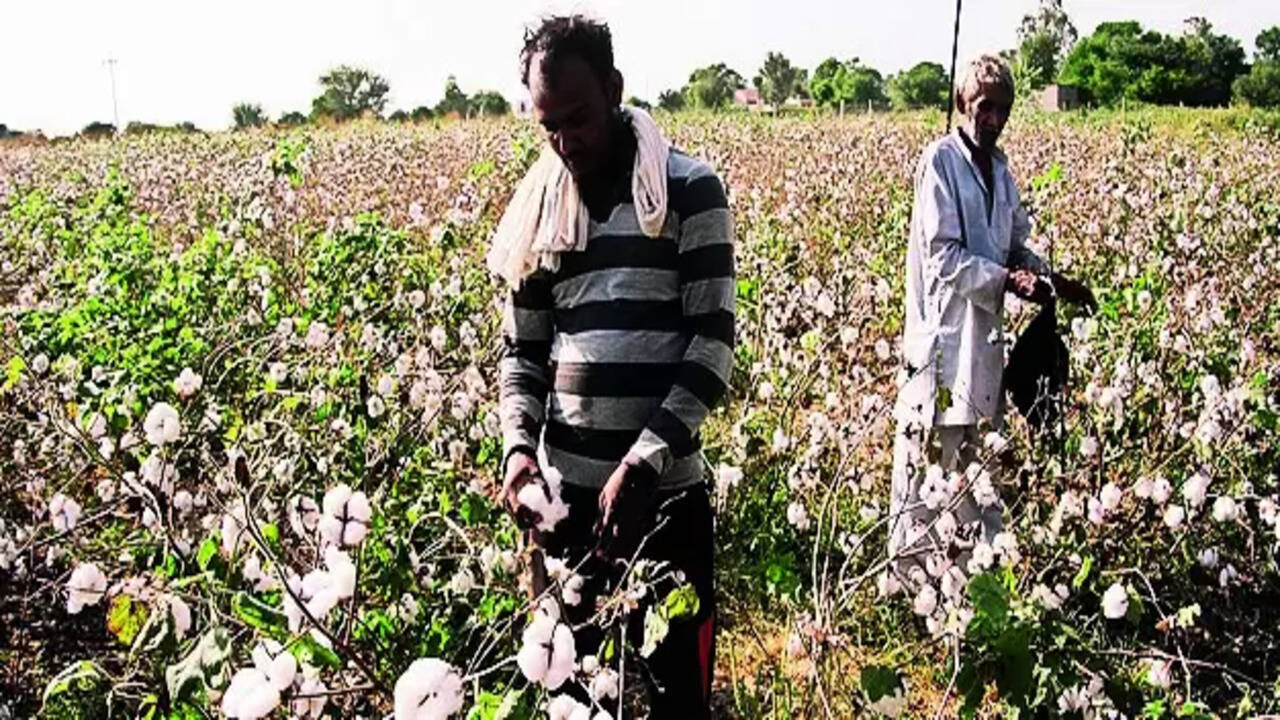
Odisha Ascends to National Leadership in Cotton Productivity
In a significant shift for India’s agricultural landscape, Odisha has officially claimed the top position in national cotton productivity for the 2025-26 crop season. By surpassing traditional powerhouses like Gujarat and Maharashtra—states long regarded as the engines of the Indian cotton industry—Odisha has signaled a transformative era for its agrarian economy. This milestone, achieved through a concerted effort between central agricultural initiatives and state-level implementation, underscores the efficacy of a coordinated “double engine” policy framework in driving systemic agricultural advancement.
Historically, Odisha’s contribution to the national cotton output was overshadowed by the vast, high-volume production of the western Indian states. However, the 2025-26 data reveals a different narrative: one of precision, technological integration, and optimized land management. As market analysts and agricultural scientists scrutinize the data, it is becoming clear that Odisha’s rise is not a result of increased acreage alone, but rather a direct outcome of superior yield-per-hectare metrics, facilitated by improved supply chain logistics and modernized farming practices.
Synergistic Policy and Agronomic Innovation
The core of Odisha’s success lies in the alignment of central government schemes with targeted state-led interventions. By leveraging national programs focused on high-density planting and pest management, the state government has effectively bridged the gap between laboratory-grade agricultural technology and field-level execution. This synergy has manifested in the widespread adoption of climate-resilient seed varieties that are specifically calibrated for the unique soil and rainfall patterns of the eastern plateau.
Furthermore, the integration of digital agricultural tools has played a pivotal role. Farmers in Odisha have increasingly gained access to real-time advisory services, which provide localized weather patterns, soil health analysis, and pest outbreak warnings. This data-driven approach has allowed growers to move away from traditional, blanket application of inputs toward a more surgical, cost-effective method of crop management. The emphasis on fertigation—the application of fertilizers through irrigation systems—has also minimized waste while maximizing nutrient uptake, directly contributing to the higher yield figures now seen across the state’s cotton-growing districts.
Infrastructure and Market Access
Beyond the farm gate, the “double engine” push has focused heavily on post-harvest infrastructure. Productivity gains are often lost to poor storage or inefficient procurement logistics, but recent state initiatives have prioritized the establishment of modern ginning and pressing facilities closer to production hubs. By reducing the distance between the field and the processor, the state has managed to maintain the quality of the raw cotton, ensuring that farmers receive better price realization for their high-yield harvests.
Investment in farmer producer organizations (FPOs) has also empowered local growers, giving them the collective bargaining power to bypass exploitative intermediaries. These organizations have acted as conduits for the latest agricultural machinery, allowing smallholder farmers to benefit from economies of scale that were previously accessible only to large-scale operations in western India. This structural shift has fostered a competitive environment where quality and quantity go hand-in-hand, solidifying Odisha's reputation as a reliable and high-performing supplier within the national textile value chain.
What This Means for Farmers
The emergence of Odisha as the national leader in cotton productivity offers several critical takeaways for the farming community:
- Shift Toward Quality over Quantity: The market is increasingly rewarding higher fiber quality. Farmers are encouraged to prioritize certified, high-yield seeds that meet industry standards, as these varieties are now proving to be more profitable despite higher initial costs.
- Importance of Data-Driven Decision Making: The success of the current season highlights the necessity of utilizing digital agricultural services. Farmers who engage with soil testing and weather-based advisory services are consistently reporting higher yields compared to those relying on traditional methods.
- Collective Bargaining Strength: The rise of FPOs demonstrates that individual farmers can significantly improve their economic standing by joining cooperatives. These groups provide better access to credit, technology, and, most importantly, direct links to large-scale buyers and processing units.
- Long-term Economic Stability: For the average grower, this shift signifies a move away from the volatility often associated with rain-fed crops. By adopting the integrated practices that led to this national achievement, farmers can expect more predictable income streams and a stronger buffer against market fluctuations.
As Odisha cements its position at the top of the cotton hierarchy, the focus must now shift toward sustainability. Maintaining these productivity levels will require ongoing commitment to soil health, water conservation, and the continued professionalization of farming practices across the state.