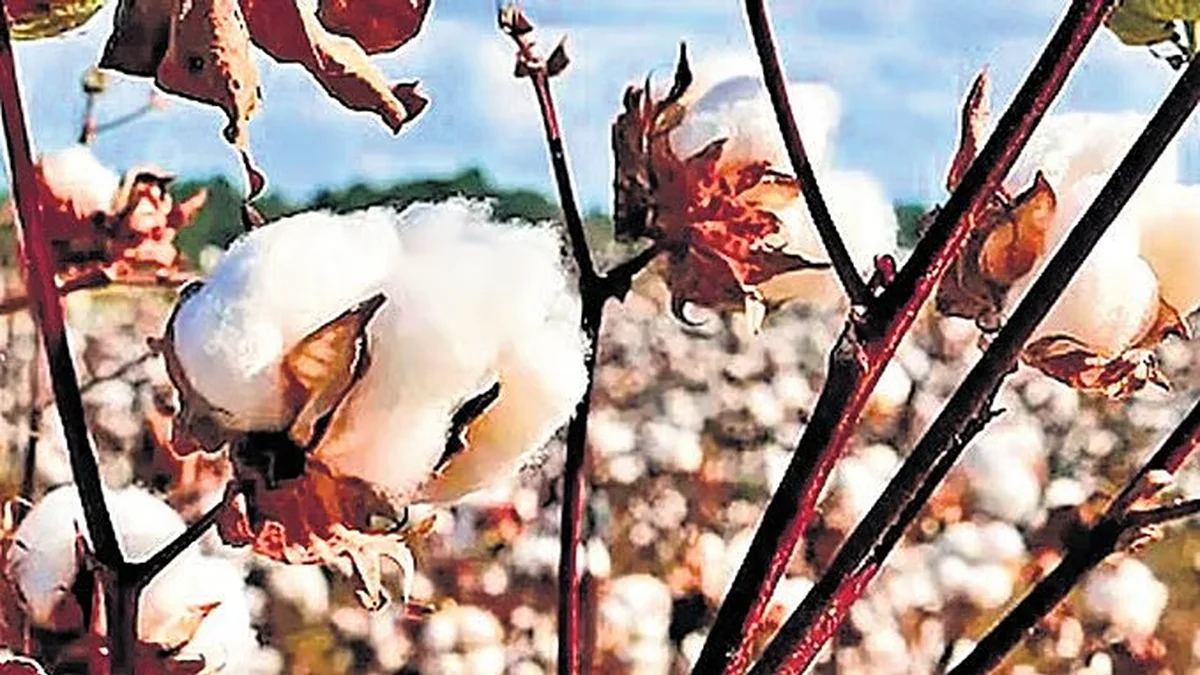
A recent study titled Unauthorised Cultivation of HTBt Cotton in India: Extent, Drivers & Implications has revealed that 66% of farmers in Telangana are currently using herbicide-tolerant Bt (HTBt) cotton seeds. The research, conducted by the South Asia Biotechnology Centre (SABC) with support from the Federation of Seed Industry of India (FSII) and the National Seed Association of India (NSAI), highlights the widespread use of these unauthorized seeds across the state.
The study notes that HTBt cotton currently accounts for an estimated 24% to 30% of the total cotton area in the region. Furthermore, researchers identified an unauthorized seed market valued between ₹820 crore and ₹880 crore. Laboratory testing found that 98.2% of field samples contained at least one genetically modified trait, with 72.7% testing positive for the CP4EPSPS protein, which provides glyphosate tolerance.
HTBt cotton in Telangana: Drivers of Adoption
The increasing adoption of this technology among farmers is attributed to several significant agricultural challenges. Farmers are facing acute labor shortages, persistent weed pressure, and the rising costs of traditional weeding methods. Many survey participants reported that switching to herbicide-tolerant cotton systems has resulted in weeding cost savings ranging from 60% to 80%.
The technology allows for the use of glyphosate, a herbicide that effectively controls weeds without damaging the cotton plants that have been engineered to tolerate it. However, this has also led to a notable increase in the application of glyphosate, which has become a central point of concern for experts and regulators.
What This Means for Farmers
For farmers in Telangana and other regions where these seeds are in use, the situation presents a complex mix of immediate economic relief and potential long-term uncertainty. Key points for farmers include:
- Weeding Cost Savings: The primary appeal of HTBt cotton for many farmers is the substantial reduction in manual weeding expenses, which helps manage farm budgets amid labor shortages.
- Regulatory Risk: Because the cultivation of HTBt cotton is unauthorized, farmers may lack the protections typically afforded by legal seed supply chains, including potential recourse for crop failure or poor seed quality.
- Health and Safety Concerns: Experts have raised concerns regarding the increased reliance on glyphosate, which has been labeled as a probable carcinogen by international health organizations.
- Lack of Official Support: With the technology being unauthorized, there is no official government backing or standardized guidance for its use, leaving farmers to manage the risks and management practices independently.
Agricultural scientists emphasize that while herbicide tolerance offers a way to manage weeds, it is not inherently a yield-enhancing trait. Farmers are encouraged to consider the broader context, including the importance of integrated weed management, crop rotation, and the potential for long-term ecological impacts when choosing their cultivation strategies.
Source: The New Indian Express


