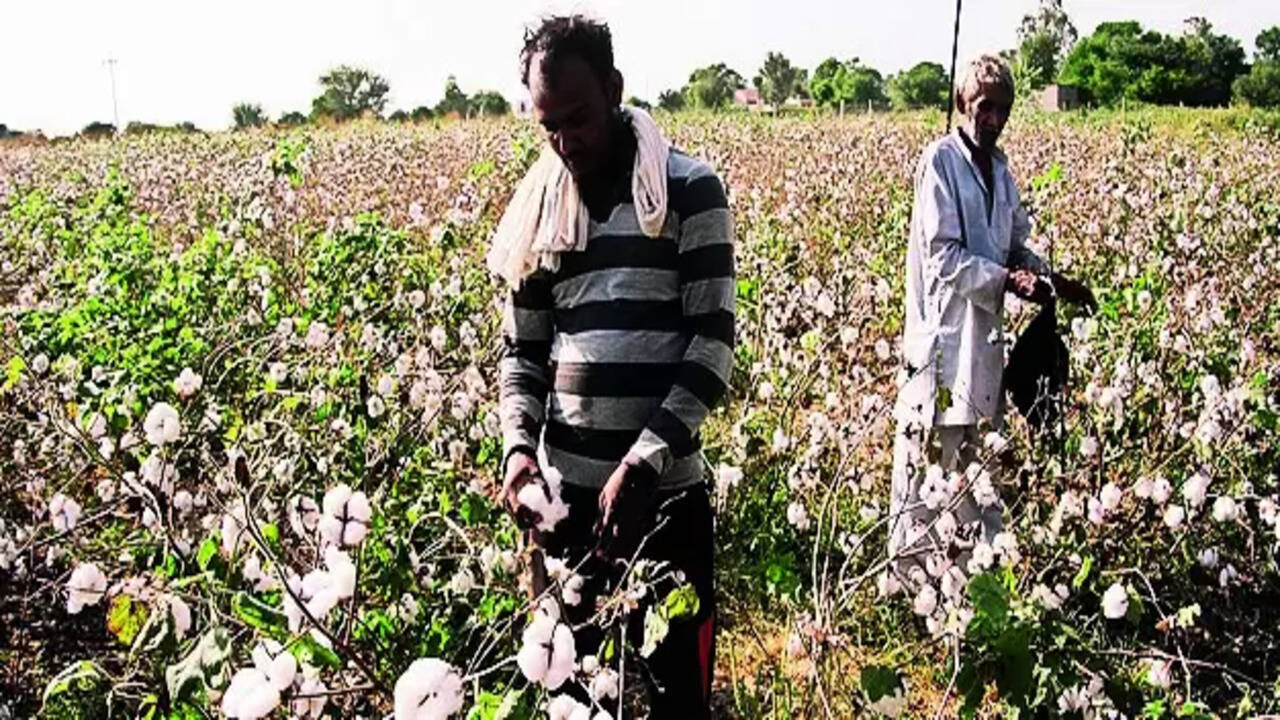
The Enduring Legacy of India’s "White Gold"
Cotton has long transcended its status as a mere agricultural commodity in India, earning the moniker "White Gold" for its profound impact on the nation’s socio-economic fabric. A recent backgrounder released by the Press Information Bureau (PIB), titled "White Gold: India’s Cotton Story," highlights the strategic importance of the fiber, tracing its evolution from ancient cultivation practices to its current role as a cornerstone of the global textile value chain. As one of the largest producers of cotton in the world, India’s agricultural sector remains intrinsically linked to the crop’s performance, influencing the livelihoods of millions of farmers and sustaining a massive industrial ecosystem.
The Evolution of Cotton Cultivation and Strategic Importance
The history of cotton in India is as old as civilization itself, yet the modern story is one of rapid technological adaptation and market integration. The PIB report underscores that India holds a unique position in the global market, being one of the few nations capable of producing a diverse range of cotton varieties—from short-staple to extra-long-staple fibers. This versatility allows Indian farmers to cater to a broad spectrum of textile demands, ranging from coarse domestic weaving to high-end export-grade apparel manufacturing.
Over the past few decades, the adoption of modern agronomic practices and high-yield seed technologies has transformed the productivity landscape. However, the path has not been without challenges. Climate variability, pest management, and shifting global trade dynamics have necessitated a more resilient approach to cultivation. The government’s focus has shifted toward enhancing "farm-to-fashion" integration, ensuring that the raw material produced in the fields is seamlessly transitioned into value-added products. This vertical integration is critical for maintaining India's competitive edge against emerging international players, as it reduces reliance on raw fiber exports and promotes domestic processing.
Sustainability and the Future of the Fiber
As the global textile industry faces increasing pressure to adopt sustainable practices, cotton cultivation in India is undergoing a significant pivot. The narrative of "White Gold" is now increasingly focused on water-use efficiency and sustainable soil health management. Traditional irrigation methods are being replaced by precision techniques like drip irrigation, which significantly reduces the water footprint of the crop—a vital consideration given that large swathes of India’s cotton belt are rain-fed or semi-arid.
Furthermore, there is a concerted effort to promote organic and regenerative cotton farming. These practices not only appeal to the growing global market for sustainable fashion but also offer a pathway for farmers to reduce input costs associated with synthetic fertilizers and pesticides. By focusing on soil health and biodiversity, Indian cotton producers are positioning themselves to meet the stringent environmental, social, and governance (ESG) criteria set by international brands and retailers, ensuring that Indian cotton remains a preferred choice in the global supply chain.
What This Means for Farmers
For the individual farmer, the status of cotton as "White Gold" translates into both opportunities and responsibilities. The current market environment suggests several key takeaways for those involved in the sector:
- Focus on Value Addition: Farmers who participate in farmer-producer organizations (FPOs) or collective marketing initiatives are better positioned to capture a higher share of the value chain. Moving beyond the sale of raw lint to participating in preliminary processing can significantly improve profit margins.
- Adopting Precision Agriculture: Investing in water-saving technologies and soil-testing services is no longer optional. As climate patterns become more erratic, yield stability will depend on the farmer’s ability to manage resources with precision.
- Market Information Literacy: The global cotton market is highly sensitive to international price fluctuations and trade policies. Farmers are encouraged to utilize government-backed digital portals and market intelligence tools to track price trends, ensuring they sell their produce during periods of optimal market demand.
- Quality Compliance: With international buyers demanding higher transparency and sustainable certification, farmers who adopt "best management practices"—such as integrated pest management (IPM) and traceability protocols—will likely see better price premiums and more stable long-term contracts.
Ultimately, the story of India’s cotton is a testament to the resilience of the agricultural community. By balancing traditional knowledge with modern technology and sustainable practices, Indian farmers continue to ensure that "White Gold" remains a vital pillar of the national economy, driving both rural prosperity and industrial growth.