India Positions Itself as Global Textile Powerhouse with Bharat Tex 2026
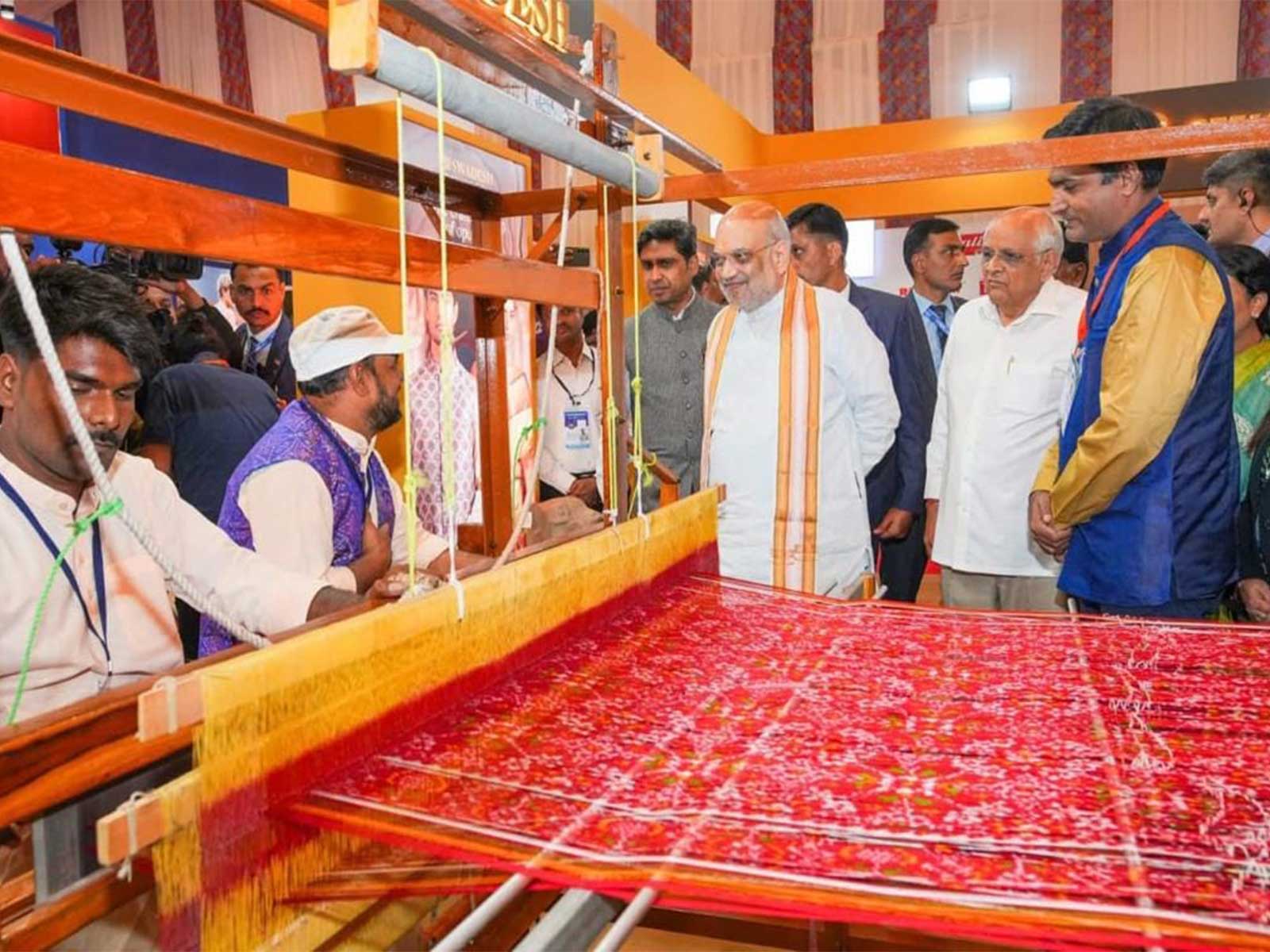
The global textile industry has turned its collective attention to New Delhi this week, as Union Minister of Textiles, Shri Giriraj Singh, officially inaugurated Bharat Tex 2026 at the Bharat Mandapam. As the world’s largest integrated textile value chain event, the gathering marks a pivotal moment for India’s manufacturing sector. Spanning 1.6 million square feet of exhibition space, the event has convened a massive coalition of 6,000 international buyers from over 130 countries and 1.3 lakh trade visitors, signaling a robust endorsement of India’s role as a primary, reliable, and sustainable global sourcing hub.
The scale of the event—featuring over 20,000 textile products—reflects the government’s "5F" vision: Farm to Fibre to Factory to Fashion to Foreign. By integrating the entire ecosystem under one roof, Bharat Tex 2026 serves as more than a trade show; it is a strategic platform for policy dialogue and international business development. The presence of high-level ministerial delegations from nations including Russia and New Zealand underscores the event’s growing geopolitical importance in shaping resilient and diversified textile value chains.
Strengthening Global Ties and Institutional Collaboration
A landmark development during the inaugural ceremony was the signing of a Letter of Intent (LoI) between the Bharat Tex Trade Federation (BTTF) and Première Vision Paris. This strategic partnership is designed to bridge the gap between Indian manufacturers and the European fashion market, focusing on design excellence, trend intelligence, and sustainable sourcing. By establishing a Joint Steering Committee and a framework for reciprocal participation in major global events, this alliance aims to provide Indian MSMEs and exporters with unprecedented access to international luxury brands and high-end fashion houses.
The event’s international profile is further bolstered by dedicated sessions focusing on bilateral trade partnerships, including the India-US cotton corridor, the India-UK Free Trade Agreement (FTA) implementation, and specialized engagement with Japanese and Russian delegations. With over 350 speakers—ranging from CXOs to sustainability experts—the event is hosting more than 100 knowledge sessions, covering critical themes such as Industry 5.0, technical textiles, and the circular economy. These sessions are complemented by a data-driven approach to networking, utilizing AI-assisted platforms and mobile applications to facilitate over 4,000 curated B2B meetings and the signing of at least 30 Memoranda of Understanding (MoUs).
State-Level Integration and Industrial Infrastructure
Bharat Tex 2026 is uniquely characterized by its "national" scope, highlighting the industrial infrastructure and investment incentives offered by India’s diverse states. With eight sponsor states—including major textile hubs like Tamil Nadu, Gujarat, Maharashtra, and Uttar Pradesh—the event provides a direct conduit for investors to engage with regional policy support. Dedicated Investor Connect Sessions and PM MITRA (Pradhan Mantri Mega Integrated Textile Region and Apparel) Master Developer sessions are actively converting policy frameworks into tangible, on-ground investments.
By showcasing renowned textile clusters such as Tirupur, Ichalkaranji, and Ahmedabad, the exhibition emphasizes that India’s textile strength lies in its decentralized yet highly specialized manufacturing zones. The inclusion of states like Jammu & Kashmir, Manipur, and West Bengal further highlights the inclusive nature of the event, ensuring that traditional handicrafts and emerging industrial zones are integrated into the global export pipeline.
What This Means for Farmers
For the agricultural sector, the success of Bharat Tex 2026 is of profound economic significance. As the "Farm to Fashion" vision matures, the direct link between raw material producers and global buyers is becoming more transparent and efficient.
- Increased Demand for Quality Raw Materials: The focus on the "India-US cotton partnership" and the "India-New Zealand wool ecosystem" highlights a global appetite for high-quality Indian natural fibers. Farmers who prioritize yield quality and fiber consistency are increasingly positioned to supply premium-tier international supply chains.
- Sustainability as a Price Premium: With the CITI Textile Sustainability Awards 2026 and a heavy emphasis on the circular economy, global buyers are signaling a shift toward ethical sourcing. Farmers who adopt sustainable, low-chemical, and resource-efficient cultivation practices are likely to see increased demand from exporters looking to meet stringent international environmental, social, and governance (ESG) standards.
- Market Stability through Diversification: By connecting Indian manufacturers with buyers across 130 countries, the event helps insulate the domestic agricultural market from the volatility of relying on a single export destination. A broader global footprint for Indian textiles creates a more stable, predictable demand curve for farmers’ produce.
- Investment in Rural Infrastructure: The focus on PM MITRA parks and state-level industrial development suggests that value-addition units will be located closer to the source of production. For farmers, this means reduced logistics costs and better access to processing facilities, allowing them to capture a larger share of the total value chain rather than just the price of raw commodities.