Gujarat’s Handloom Sector Bolsters Rural Economy with ₹51 Crore Annual Turnover
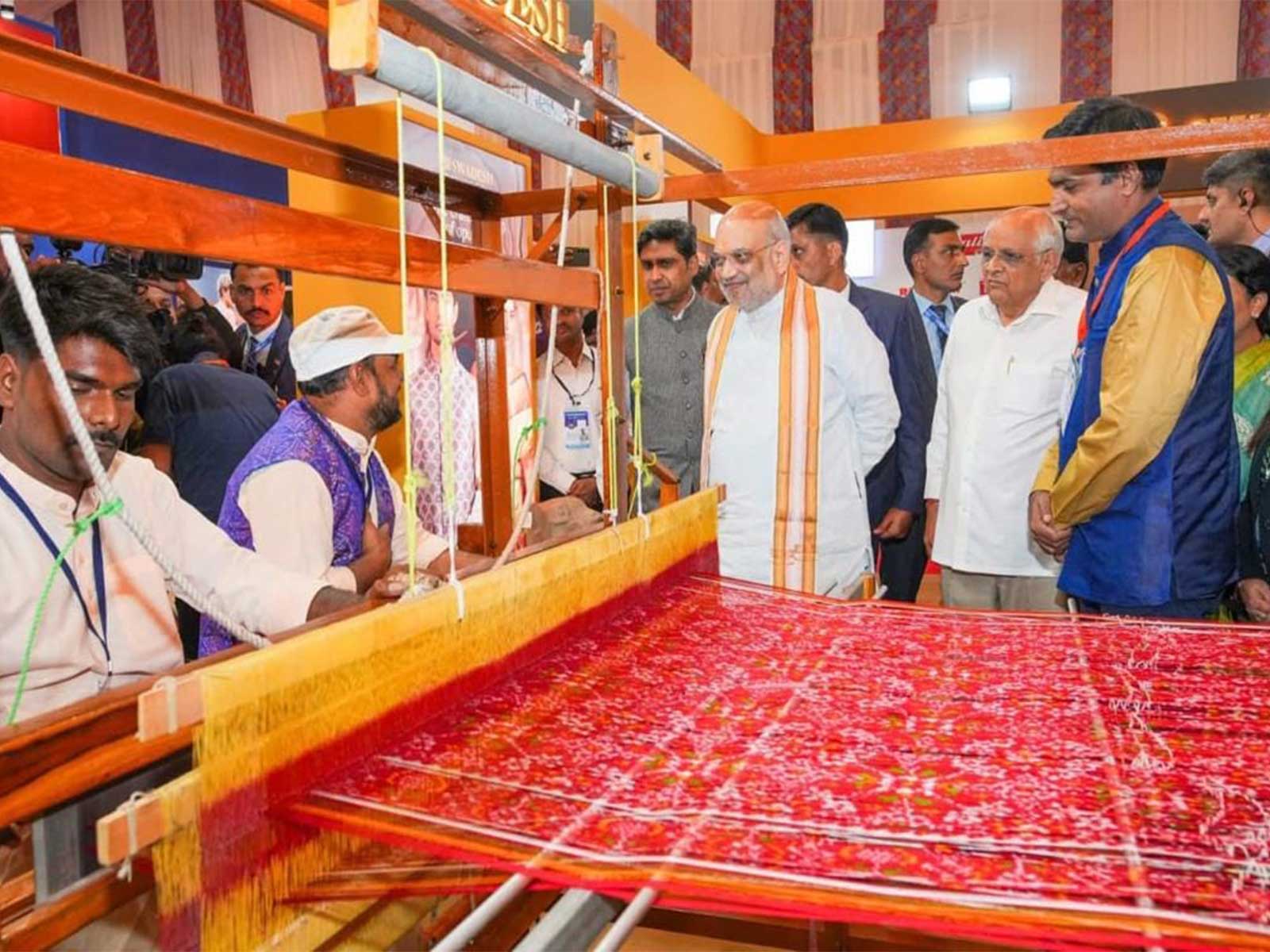
The traditional handloom sector in Gujarat has reached a significant economic milestone, solidifying its role as a cornerstone of rural livelihoods and cultural preservation. Latest industry data for the 2025-26 fiscal period indicates that the state’s handloom ecosystem now supports over 12,000 skilled artisans. With a reported annual turnover of ₹51 crore, the sector is demonstrating a robust recovery and growth trajectory, driven by a blend of heritage preservation and increasing market demand for sustainable, artisanal textiles.
This economic achievement highlights the resilience of decentralized manufacturing in Gujarat. By integrating thousands of weavers, spinners, and dyers—many of whom operate within household-based micro-enterprises—the state has successfully bridged the gap between age-old craftsmanship and modern commercial viability. The financial growth of the sector reflects not only higher output volumes but also a strategic shift toward value-added products that resonate with both domestic and international consumers.
Strategic Integration and Market Expansion
The success of Gujarat’s handloom industry is largely attributed to the effective integration of artisan clusters. By organizing thousands of individual practitioners into cohesive units, the sector has improved supply chain efficiency, allowing for better access to raw materials and more streamlined distribution channels. This structural organization has been instrumental in stabilizing the incomes of 12,000 artisans, providing them with a consistent platform to showcase their work beyond local village markets.
Global recognition has also played a pivotal role in this growth. As international markets increasingly prioritize ethical sourcing and the "slow fashion" movement, Gujarat’s handloom textiles—known for their intricate motifs and distinct regional weaving styles—have seen a surge in interest. This global visibility has empowered artisans to command better pricing for their intricate work, moving away from high-volume, low-margin production toward premium, artisan-led textiles that highlight the craftsmanship inherent in traditional Indian weaving.
Technological Adoption and Economic Sustainability
While the sector is rooted in tradition, it is not immune to the benefits of modern business practices. Artisans are increasingly leveraging digital marketplaces and improved logistics to bypass traditional middlemen, ensuring a larger share of the final consumer price reaches the actual producer. This shift toward direct-to-consumer models has been essential in maintaining the ₹51 crore turnover, as it allows for higher margins and more sustainable business cycles for independent weavers.
Furthermore, the stabilization of the sector provides a strong buffer against the volatility often found in larger, mechanized textile industries. By maintaining a decentralized workforce, the Gujarat handloom sector preserves essential rural knowledge and prevents the mass migration of skilled labor toward urban manufacturing hubs. This keeps the economic value circulating within local communities, fostering long-term stability for families who have practiced these crafts for generations.
What This Means for Farmers
For the agricultural community, the success of the handloom sector presents a unique opportunity for synergy between fiber production and textile manufacturing. As the demand for high-quality, hand-woven fabrics grows, there is a renewed interest in the raw materials that fuel these looms, specifically organic and specialty cottons.
- Value Chain Synergies: Farmers who focus on cultivating indigenous or organic cotton varieties may find a direct, premium market among handloom clusters looking for sustainable, high-quality raw materials.
- Diversification of Income: The growth of the handloom sector serves as a model for rural non-farm economic diversification. Farmers can look toward integrating traditional craft-related activities during the off-season to supplement agricultural income.
- Investment in Quality: With the sector generating ₹51 crore in turnover, there is a clear incentive for agricultural producers to focus on quality over quantity. Ensuring the supply of clean, long-staple, and ethically produced fiber can help farmers command higher premiums from artisanal textile cooperatives.
- Economic Stability: The integration of these 12,000 artisans demonstrates that organized, small-scale production can be a viable economic engine. Farmers should consider the benefits of forming cooperatives or producer groups to replicate this model of collective bargaining and market access in their own agricultural operations.