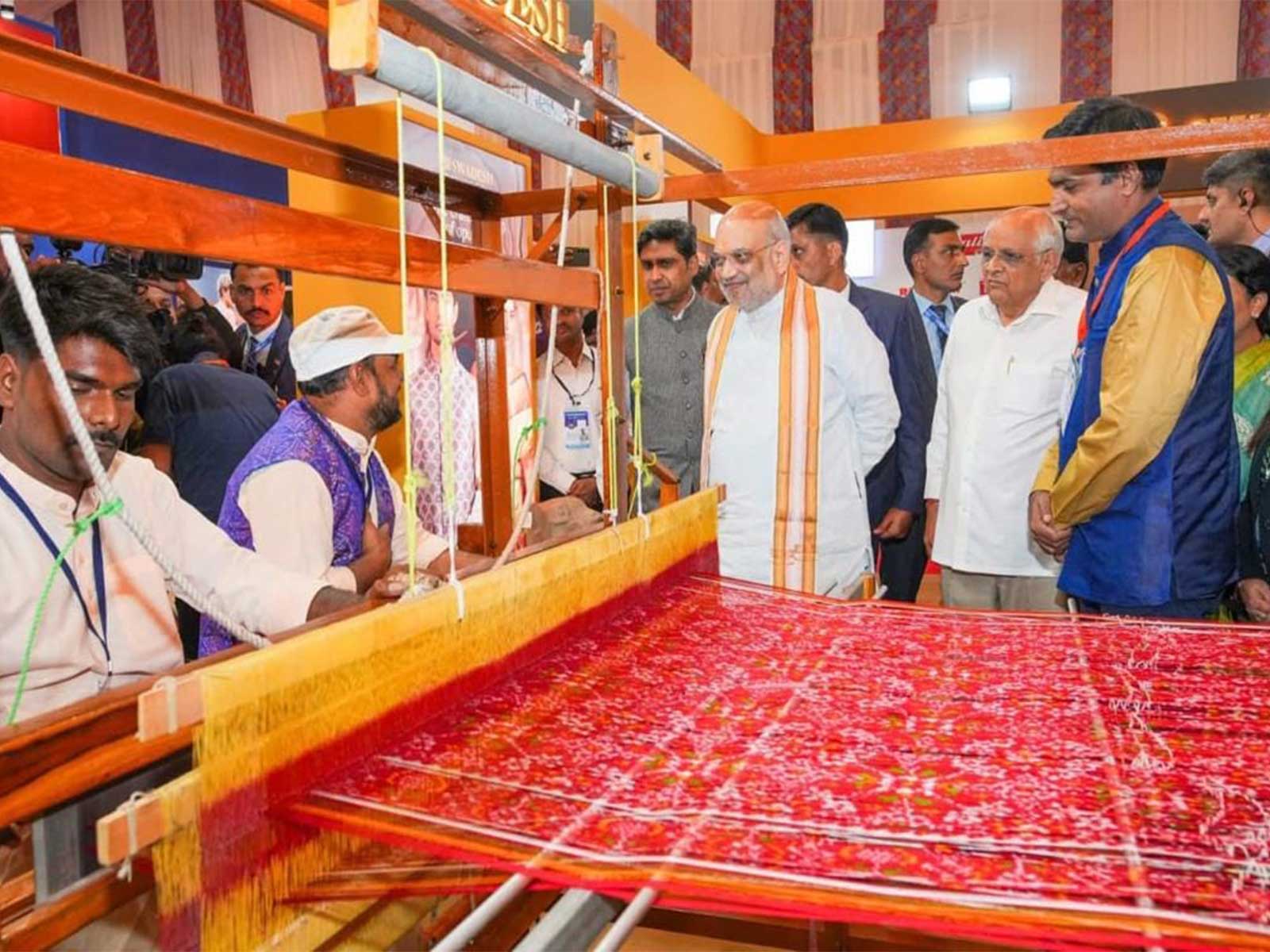
Reviving the Loom: Gujarat’s Ancient Weaving Traditions Take Center Stage on 12th National Handloom Day
As India prepares to observe the 12th National Handloom Day on August 7, 2026, the focus of the nation’s agricultural and artisanal sectors turns toward the arid yet culturally vibrant landscapes of Gujarat. From the intricate Patola silks of Patan to the earthy, hand-spun textiles of the Kutch region, Gujarat’s weaving traditions are currently undergoing a renaissance, transitioning from localized cottage industries to high-value assets in the global luxury textile market. This annual observance, originally inaugurated by Prime Minister Narendra Modi in Chennai in 2015, serves as more than a ceremonial nod to the past; it is a critical platform for sustaining the livelihoods of thousands of rural artisans who remain the backbone of India’s decentralized manufacturing sector.
The Intersection of Agrarian Heritage and Textile Craft
The strength of Gujarat’s handloom industry is inextricably linked to the state’s agricultural health. The quality of indigenous cotton, the availability of natural dyes derived from local flora, and the traditional knowledge of fiber cultivation form the primary supply chain for the state’s master weavers. Unlike mechanized industrial production, which relies on synthetic inputs and high-energy consumption, the handloom sector operates on a model of sustainability that honors the environment.
In recent years, there has been a concerted push to bridge the gap between traditional farm-to-loom practices and modern market demands. By prioritizing organic cultivation of cotton and reviving the use of traditional vegetable dyes, Gujarat’s weavers are successfully tapping into the global consumer’s desire for "slow fashion." This movement not only preserves the genetic diversity of traditional crops but also ensures that the economic benefits of the final textile product remain within the rural communities where the raw materials are grown and processed.
Preserving Cultural Capital in a Modern Economy
The 12th National Handloom Day highlights the urgent need to protect the intellectual and cultural property of India’s weaving communities. The artisanal techniques practiced in Gujarat—often passed down through generations—represent a form of living heritage that is increasingly vulnerable to mass-produced imitations. The government’s continued commitment to this day serves to formalize the status of these artisans, providing them with better access to credit, design innovation, and digital marketplaces.
For the modern consumer, the value proposition of handloom textiles lies in their uniqueness and the human story behind every thread. As global supply chains face scrutiny over ethical labor practices and environmental footprints, the transparent, community-centric model of the Indian handloom sector offers a compelling alternative. By leveraging digital platforms and international trade fairs, Gujarati artisans are now bringing their age-old techniques to a global audience, proving that tradition and modernity are not mutually exclusive but can instead drive economic resilience.
What This Means for Farmers
For the agricultural community, the growth and institutional support of the handloom sector present significant economic opportunities beyond traditional food crop cultivation. The integration of textile-grade fiber production into farm planning can offer a vital diversification strategy for smallholder farmers.
- Market Diversification: Farmers are encouraged to explore the cultivation of heritage cotton varieties and dye-producing plants. These crops often require less water and fewer chemical inputs than high-yield commercial varieties, potentially lowering production costs while catering to a premium niche market.
- Value Addition: By forming cooperatives that link farmers directly with weavers, rural communities can capture a larger share of the value chain. Selling processed or semi-processed natural fibers directly to the handloom sector reduces dependence on volatile commodity markets.
- Sustainable Branding: The "National Handloom" identity acts as a powerful marketing tool. Farmers who align their production with the principles of sustainability and heritage preservation can command better pricing for their raw materials, as the end-to-end traceability of the textile becomes a key selling point for global buyers.
- Economic Stability: Engaging with the textile supply chain provides a secondary income stream that is often less susceptible to the seasonal fluctuations of food crop prices, providing a crucial safety net for rural households.