Kharif Sowing Stalls Despite July Rainfall Recovery: Analyzing the Disconnect
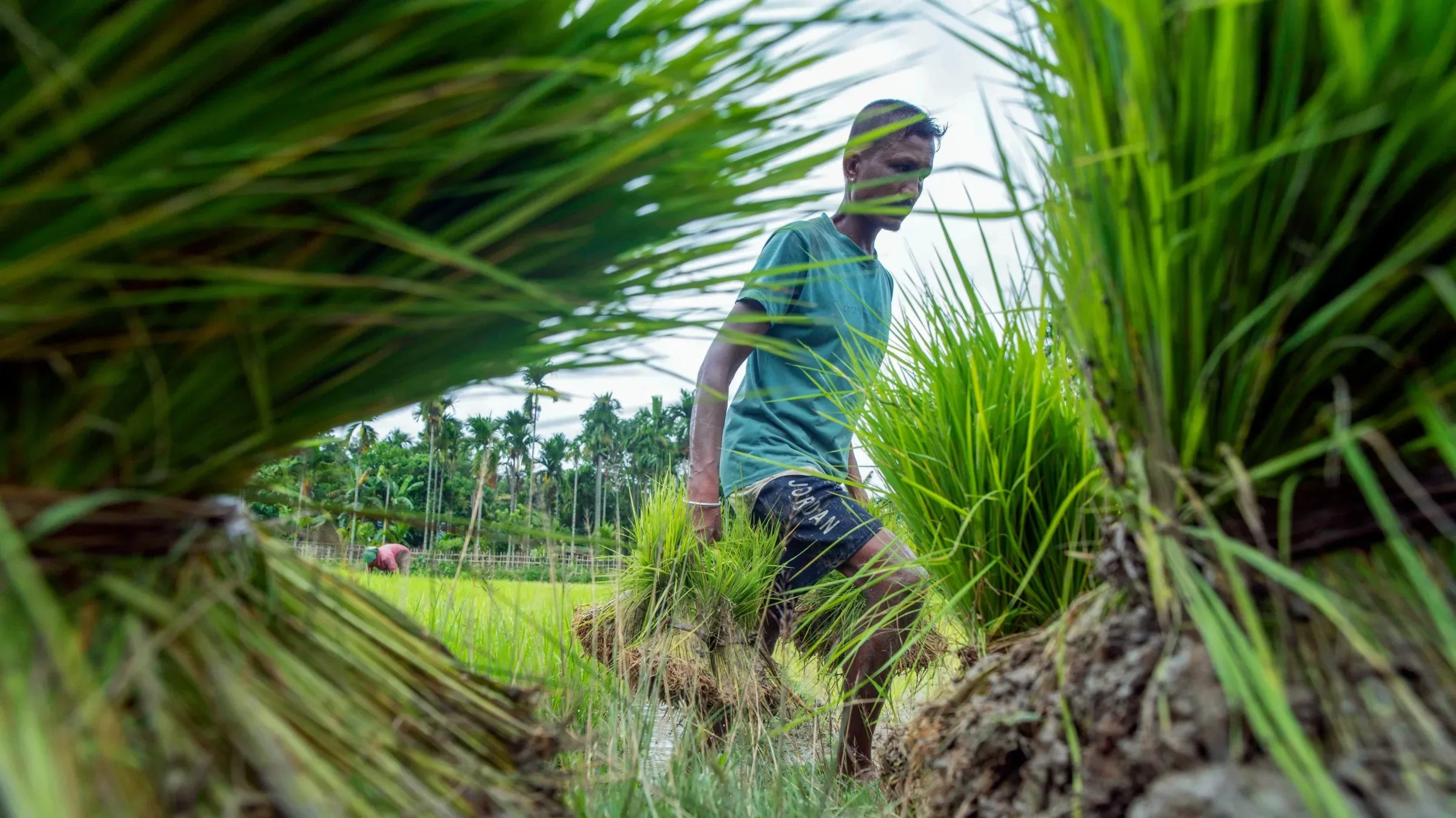
The agricultural sector is currently navigating a complex paradox as the kharif sowing season enters a critical window. Despite a notable uptick in monsoon activity during the first half of July, which brought much-needed relief to parched regions, the national sowing trajectory remains unexpectedly sluggish. Current data indicates that total acreage under kharif crops is trailing approximately 16 percent behind the figures recorded at the same time last year. While the arrival of monsoon rains typically acts as a catalyst for widespread field preparation and seeding, the current lag suggests that moisture availability is only one piece of a much larger, more intricate puzzle facing the farming community.
The Structural Barriers to Rapid Sowing
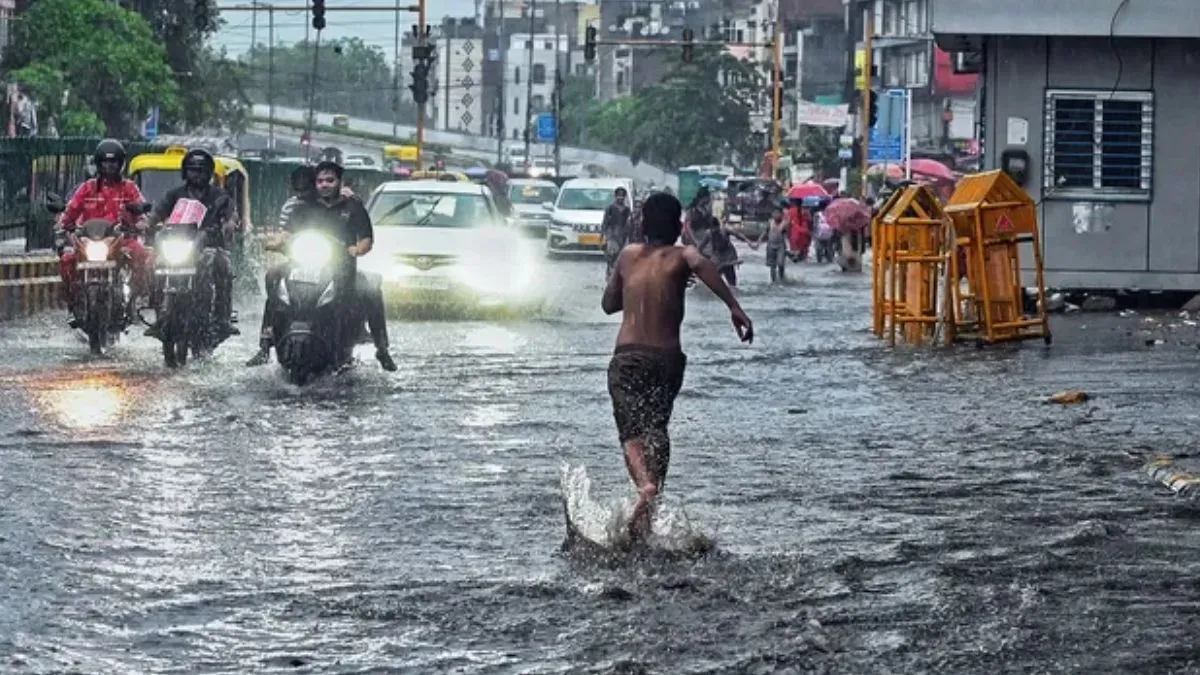
The primary concern among agricultural analysts is the uneven distribution of rainfall and the lingering effects of a delayed onset. While aggregate figures for July show improvement, the spatial distribution has been patchy. Many key agrarian states experienced a protracted dry spell during June, which hindered the initial land preparation process. Soil moisture levels, which are critical for the germination of moisture-sensitive seeds, take time to reach optimal saturation points even after a spell of rain. Consequently, farmers in several regions have adopted a cautious approach, waiting for more consistent soil moisture profiles before committing to full-scale sowing operations.
Furthermore, the shift in cropping patterns and the logistical challenges associated with seed and fertilizer procurement have played a significant role in the current delay. Many farmers are recalibrating their crop choices based on real-time weather forecasts and market price volatility. In regions prone to erratic rainfall, there is a notable pivot toward shorter-duration, drought-resilient crop varieties. This strategic transition, while prudent for long-term risk mitigation, requires a different set of inputs and management practices, which can temporarily stall the momentum of planting schedules across the broader landscape.
Infrastructure and Economic Considerations
Beyond meteorological factors, the economic landscape continues to exert pressure on sowing timelines. The rising cost of agricultural inputs, including high-quality seeds and essential fertilizers, has forced many smallholder farmers to exercise increased fiscal discipline. In many instances, the delay is not purely a result of environmental conditions but a reflection of a supply chain adjustment. Farmers are increasingly monitoring regional market trends and government procurement signals before finalizing their sowing plans. This wait-and-see approach, while economically rational for the individual producer, contributes to the aggregate decline in early-season sowing data.
Additionally, the availability of agricultural labor remains a bottleneck in several regions. The timing of the rains dictates the labor demand for sowing; when rainfall is concentrated or delayed, it creates a sudden, intense demand for labor that the rural workforce may struggle to meet simultaneously. This leads to a bottleneck in field operations, effectively stretching the sowing window beyond the traditional peak periods. As the season progresses, the ability of farmers to bridge this 16 percent gap will depend heavily on the sustained regularity of the monsoon and the availability of institutional support for timely input distribution.
What This Means for Farmers
For the farming community, the current situation necessitates a shift toward adaptive agronomy and strategic risk management. The 16 percent lag should not necessarily be viewed as a definitive indicator of a poor harvest, but rather as a signal to prioritize efficiency for the remainder of the sowing window.
- Prioritize Crop Selection: Given the late start, farmers should consult local agricultural extension officers to identify high-yield, short-duration crop varieties that can still reach maturity before the onset of the post-monsoon harvest period.
- Optimize Soil Management: With soil moisture now improving, farmers should focus on immediate field preparation to maximize the retention of current rains. Utilizing moisture-conserving techniques, such as mulching or residue management, can help protect crops against potential dry spells later in the season.
- Monitor Local Supply Chains: Ensure that all necessary inputs, particularly fertilizers and pest management resources, are secured early. Relying on last-minute procurement in a period of compressed sowing schedules can lead to inflated costs and reduced availability.
- Leverage Advisory Services: Stay closely aligned with regional meteorological updates and state-issued agricultural advisories. These resources provide localized insights that are far more accurate for field-level decision-making than national averages.
While the current sowing gap presents a challenge, the remainder of the monsoon season offers an opportunity to recover lost ground. By focusing on precision in crop selection and maintaining a disciplined approach to input management, farmers can still aim for a robust output despite the slow start to the season.