A Fragile Balance: The Ongoing Standoff Over Western Ghats Protection
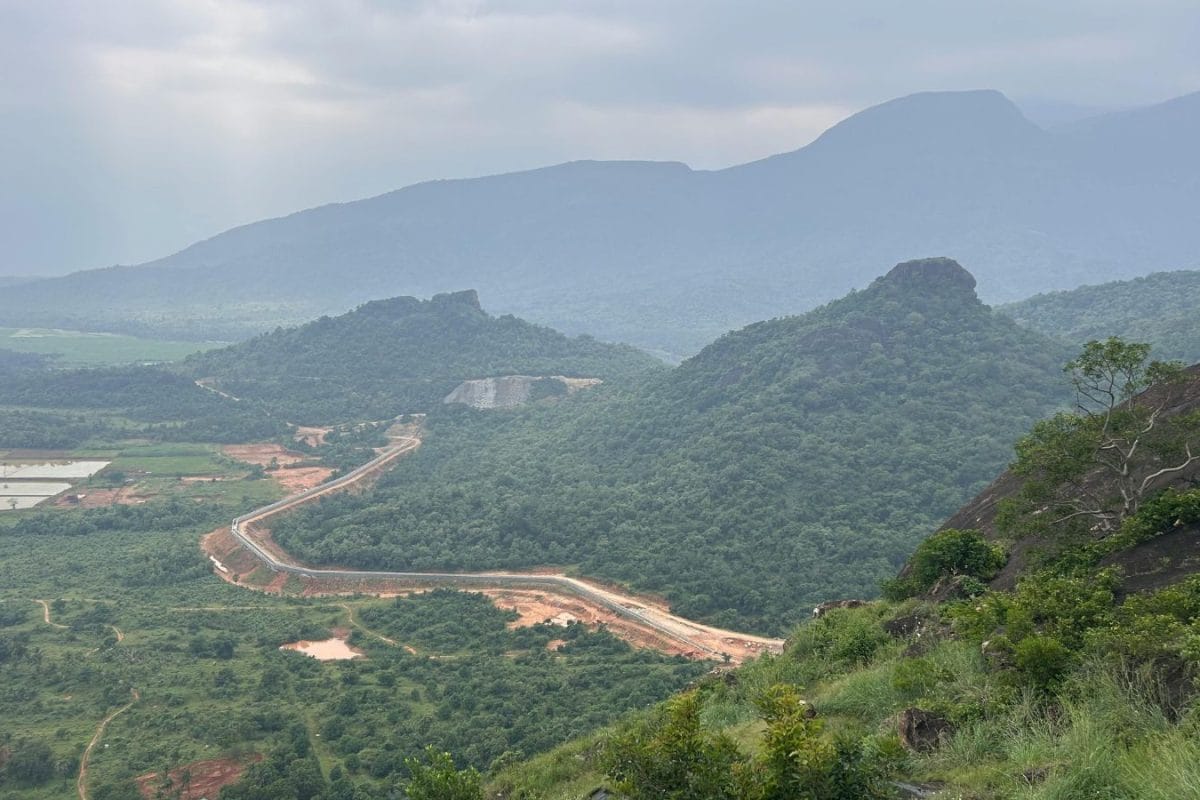
The Western Ghats, a UNESCO World Heritage site and one of the world’s most significant biodiversity hotspots, stands at a critical legislative crossroads. As the sixth draft notification for the declaration of Ecologically Sensitive Areas (ESA) expired on July 27, 2026, without achieving the necessary consensus among the six states spanning the mountain range, the region remains in a state of regulatory limbo. While the monsoon rains continue to draw tourists to the lush, mist-covered peaks, the underlying governance framework intended to protect this delicate ecosystem remains elusive. The failure to finalize these protections reflects a deep-seated tension between environmental preservation and the socio-economic aspirations of the communities inhabiting these highlands.
The Regulatory Stalemate: Why Consensus Remains Elusive
The expiration of the sixth draft notification underscores the profound difficulty in reconciling top-down environmental mandates with regional administrative realities. Since the initial proposals for the Western Ghats were introduced, the process has been marred by a lack of coordination between the central government and the respective state governments of Gujarat, Maharashtra, Goa, Karnataka, Kerala, and Tamil Nadu. Each state presents a unique set of challenges, ranging from dense human settlements within proposed buffer zones to the presence of critical mineral resources and plantation economies.
At the heart of the deadlock is the definition of "Ecologically Sensitive Areas." While scientists and conservationists argue for strict land-use regulations to prevent landslides, habitat fragmentation, and the loss of endemic species, state governments remain wary of the potential for broad restrictions to stifle infrastructure development and local livelihoods. The rapid turnover of draft notifications suggests that the central authorities have struggled to address state-specific concerns regarding agricultural expansion, mining permissions, and the regulation of tourism, leading to a cycle of expiry and re-notification that offers little long-term certainty for either the environment or the local population.
Four Fundamental Hurdles to Implementation
The path toward a finalized ESA framework is obstructed by four primary challenges that have persisted through every iteration of the draft:
- Socio-Economic Disruption: A significant portion of the Western Ghats is not wilderness but rather inhabited, productive landscape. Farmers and plantation owners fear that strict ESA norms will lead to a freeze on land use, effectively stripping them of the ability to modify existing structures or diversify their agricultural activities.
- Infrastructure and Connectivity Needs: Several states have argued that the proposed restrictions would severely hamper essential infrastructure projects, including road networks, power transmission lines, and water management systems. Balancing the need for modern connectivity in remote hilly tracts with the mandate for ecological integrity remains a point of intense friction.
- The Definition of "Prohibited" Activities: There is a lack of clarity regarding the transition from traditional farming practices to the "prohibited" category. Fears that the notification might inadvertently ban long-standing agricultural practices, such as the use of certain fertilizers or minor infrastructure upgrades, have mobilized local opposition groups who feel that their primary source of income is under threat.
- Governance and Enforcement Capacity: Even if a consensus were reached, the physical geography of the Western Ghats presents a massive monitoring challenge. Implementing granular land-use regulations across thousands of square kilometers of rugged terrain requires a level of administrative and surveillance capacity that currently does not exist, leading to concerns that regulations would be either ignored or inconsistently applied.
What This Means for Farmers
For the agricultural communities living within the Western Ghats, the expiration of the latest draft notification brings both relief and uncertainty. In the short term, the absence of a finalized ESA notification means that current land-use practices remain largely unaffected. Farmers can continue their operations—whether in coffee, spice, or horticultural plantations—without the immediate threat of new regulatory hurdles or land-use restrictions.
However, this regulatory vacuum is a double-edged sword. The lack of a clear, stable policy framework prevents long-term agricultural planning and investment. Without a finalized notification, farmers remain in a state of "policy uncertainty," where future land valuations, credit availability, and the ability to upgrade farm infrastructure remain unpredictable.
For those operating in the region, the best approach is to stay informed through local agricultural extension offices and district administration updates. It is highly recommended that farmers adopt sustainable practices—such as soil conservation and agroforestry—voluntarily. By demonstrating that agricultural production can coexist with environmental stewardship, farming communities can strengthen their position in future negotiations. Being proactive in managing soil health and water resources not only mitigates the risk of climate-induced disasters like landslides but also provides a strong counter-argument to those who suggest that all human activity in the Ghats is inherently detrimental to the environment. Farmers should engage with local farmer producer organizations (FPOs) to ensure their collective voice is represented in the upcoming rounds of state-level consultations, ensuring that any future ESA framework accounts for the practical, daily realities of mountain agriculture.