Navigating Weather-Related School Closures: Kerala Officials Monitor Monsoon Intensity
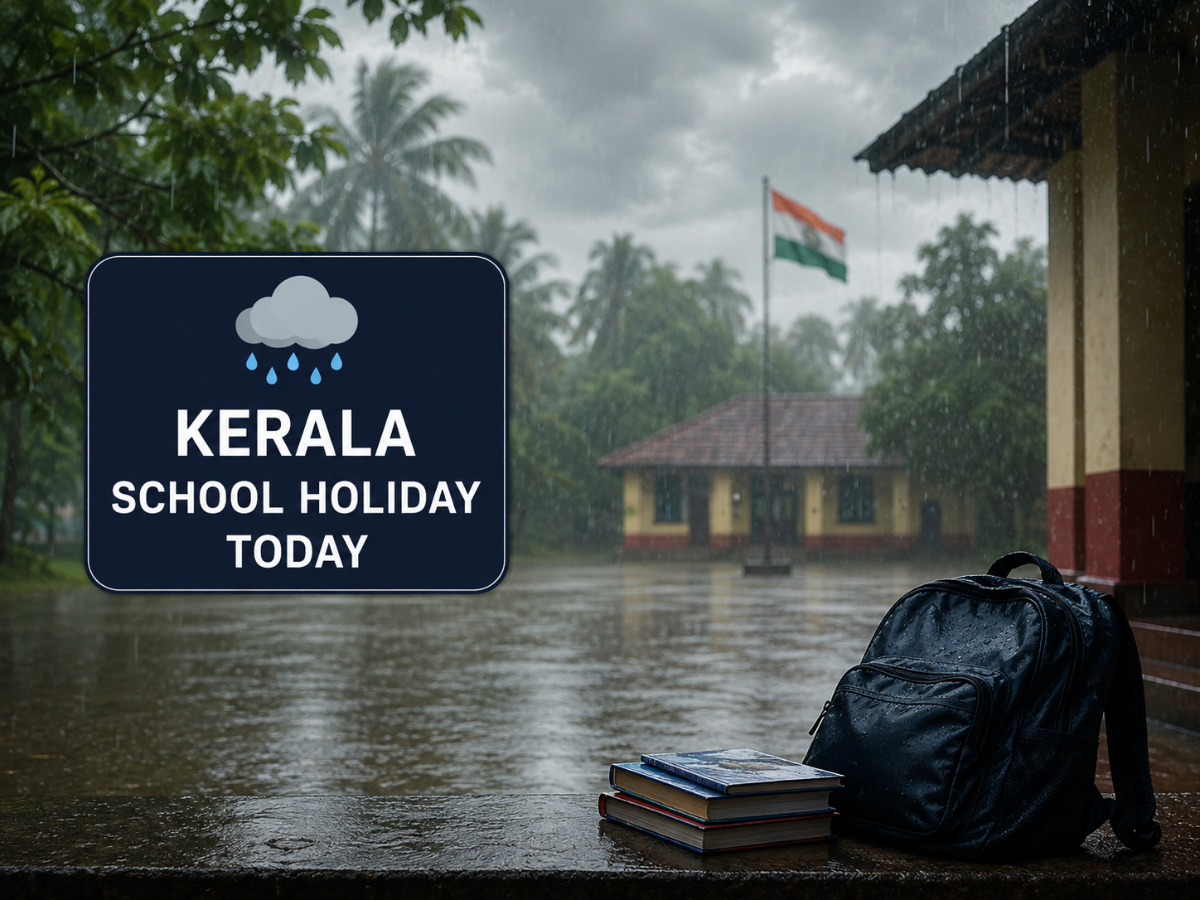
As the southwest monsoon continues to exert significant influence over the Kerala coastline, parents, students, and educational administrators across the state are remaining vigilant regarding the status of academic institutions. While schools and colleges largely remain open today, August 5, the situation remains fluid. Local district administrations have been granted the authority to make real-time decisions based on localized weather patterns, heavy rainfall intensity, and the potential for flooding or landslides in vulnerable zones.
The current meteorological landscape in Kerala is characterized by heightened instability, with the India Meteorological Department (IMD) issuing persistent alerts for several districts. These advisories warn of heavy to very heavy rainfall, accompanied by thunderstorms and gusty winds, which have the potential to disrupt daily commutes and compromise the safety of transport networks serving educational hubs. For the agricultural community and rural residents, this weather system serves as a reminder of the monsoon's dual nature—providing vital water for crops while simultaneously threatening infrastructure stability.
Understanding the IMD Weather Advisory and Regional Risks
The IMD’s current forecast highlights a convergence of weather phenomena that necessitates caution. Heavy rainfall, particularly in the hilly regions and coastal belts, can lead to sudden waterlogging, overflowing streams, and an increased risk of landslips in saturated soil. While urban areas may face traffic congestion due to drainage limitations, rural areas often contend with the rapid rising of water levels in low-lying paddy fields and plantation zones.
District collectors are currently maintaining a round-the-clock watch on these developments. The decision to declare a holiday is not taken lightly; it is a strategic measure intended to minimize the exposure of students and staff to hazardous transit conditions. Authorities are urging the public to rely exclusively on official announcements from district administration social media handles and local news bulletins, rather than circulating unverified information regarding closures that could lead to unnecessary disruption of the academic calendar.
Preparedness Amidst Monsoon Volatility
For educational institutions, the monsoon period requires a heightened state of readiness. Schools located in high-risk zones—particularly those near riverbanks or in regions prone to soil erosion—are being advised to ensure their emergency communication protocols are active. Teachers and staff are encouraged to assess the safety of school grounds following heavy overnight downpours, ensuring that drainage systems are clear and that structural integrity is not compromised by the persistent moisture.
The variability of the monsoon in Kerala means that a district may experience calm weather in the morning, only to face intense squalls by the afternoon. Consequently, the emphasis is on 'dynamic management,' where local authorities monitor the IMD’s district-wise updates every few hours. This adaptive approach ensures that schools remain operational whenever possible, avoiding blanket closures that would otherwise hinder the educational progress of the student body.
What This Means for Farmers
The current weather conditions, while causing uncertainty for schools, have direct and significant implications for Kerala’s agricultural sector. Farmers must exercise extreme caution during this period of heavy rain and gusty winds:
- Crop Protection: High-velocity winds can cause lodging in paddy crops and damage to fruit-bearing trees. Farmers are advised to provide mechanical support to vulnerable crops and ensure that drainage channels in fields are free-flowing to prevent root rot caused by waterlogging.
- Livestock Safety: Ensure that livestock shelters are reinforced against strong winds and that animals are kept in dry, elevated areas to prevent the spread of monsoon-related diseases.
- Infrastructure Maintenance: Monitor farm roads and access points. Heavy rain can quickly turn unpaved rural paths into hazardous mud tracks, potentially isolating farms and hindering the transport of perishable produce to markets.
- Monitoring Local Alerts: Agricultural operations should be planned in alignment with district-level weather updates. If a holiday is declared for schools due to severe weather, farmers should take this as a signal that the rainfall intensity is significant enough to warrant suspending outdoor field work and seeking shelter.
- Economic Vigilance: Sudden weather shifts can affect market prices for perishable goods. Farmers should maintain contact with local agricultural cooperatives to stay informed about supply chain disruptions caused by blocked roads or bridge closures due to rising water levels.
By staying informed through official channels, both the farming community and the general public can better navigate the challenges posed by this monsoon cycle, prioritizing safety while managing the logistical realities of a volatile climate.