Widespread Weather Alert: IMD Issues Warnings Across 17 States as Storm Systems Converge
The India Meteorological Department (IMD) has issued a comprehensive weather alert covering more than 17 states, signaling a period of significant atmospheric instability across the subcontinent. From the western coast of Gujarat to the eastern plains of West Bengal, farmers and rural communities are being cautioned to prepare for a multi-day spell of heavy rainfall, accompanied by aggressive thunderstorms and high-velocity winds. This weather pattern, driven by active cyclonic circulations and moisture-laden currents, is set to impact agricultural operations, logistics, and rural infrastructure across a vast geographic expanse.
Regional Impact and Meteorological Forecast
The current meteorological data indicates that the instability is not limited to a single region but is instead part of a widespread weather system affecting diverse agro-climatic zones. The IMD’s latest bulletin highlights that Andaman and Nicobar Islands, Andhra Pradesh, Gangetic West Bengal, North Interior Karnataka, and the coastal regions of Tamil Nadu, Puducherry, and Karaikal are at the highest risk of experiencing severe weather. In these areas, the forecast includes gusty winds reaching speeds of 40 to 50 kilometers per hour, which pose a direct threat to standing crops and temporary structures.
The trajectory of these storms suggests a broad sweep across the nation. While coastal areas are contending with wind-driven rain, inland regions stretching toward Gujarat are also facing the threat of localized downpours. The combination of intense lightning and stormy winds creates a challenging environment for outdoor agricultural work. Meteorologists are monitoring the movement of these low-pressure systems closely, noting that the rapid changes in wind direction and moisture influx could lead to sudden, high-intensity precipitation in areas that were previously experiencing dry conditions.
Challenges for Infrastructure and Crop Management
The severity of the forecasted weather presents a two-fold challenge for the agricultural sector. First, the high-velocity winds are particularly hazardous for crops currently in vulnerable growth stages, such as those nearing maturity or those with shallow root systems. Lodging—the bending or breaking of stalks—is a significant risk in cereal crops, which can lead to substantial yield losses and increased harvesting costs. Furthermore, the anticipated heavy rainfall may disrupt field access, making it difficult for farmers to conduct essential maintenance or harvest operations.
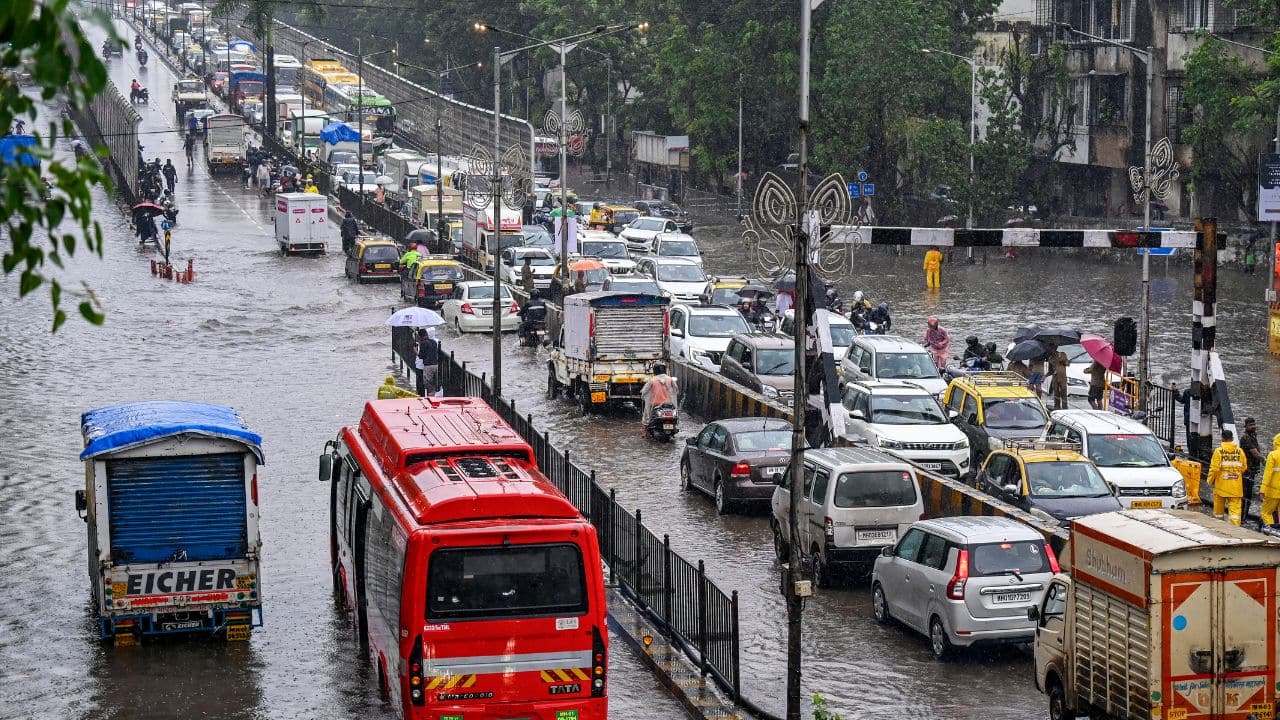
Beyond the fields, the impact on rural logistics cannot be overlooked. Heavy rainfall often leads to waterlogging in low-lying areas and transport bottlenecks on rural road networks. For farmers currently in the process of moving produce to market or receiving essential inputs such as fertilizers and seeds, these weather disruptions could lead to delays, reduced produce quality due to moisture exposure, and increased market price volatility. The risk of lightning also necessitates extreme caution for those working in open fields, as the IMD has issued specific advisories regarding safety during peak storm activity.
What This Means for Farmers
The current weather alert serves as a critical call to action for the farming community. To mitigate potential losses, farmers are advised to prioritize the following steps:
- Harvesting and Storage: If crops are at or near maturity, accelerate harvesting efforts where weather permits. Ensure that harvested produce is moved to covered storage facilities or protected with moisture-proof tarpaulins to prevent fungal growth and spoilage.
- Field Drainage: Check and clear drainage channels in fields to prevent waterlogging. Standing water can cause rapid root rot and nutrient leaching, which can severely compromise crop health in the days following the rain.
- Infrastructure Reinforcement: Secure temporary shelters, greenhouses, and drying yards against high-velocity winds. Check that all loose equipment is stored securely to prevent damage from flying debris.
- Livestock Safety: Move livestock to higher, sheltered ground. Ensure that animal shelters are structurally sound and away from low-lying areas prone to sudden flooding.
- Monitoring Local Advisories: Weather conditions can shift rapidly. Farmers should remain tuned to local meteorological updates and district-level agro-advisories, which provide the most granular information on specific risks for their immediate region.
By taking proactive measures now, farmers can better insulate their operations against the immediate impacts of this volatile weather system. While the rain may provide necessary soil moisture in some drought-prone areas, the associated storm risks demand vigilance and preparedness to ensure that the season’s hard work remains protected.