IMD Issues Wide-Scale Alert as Torrential Rains Expected Across Multiple Regions
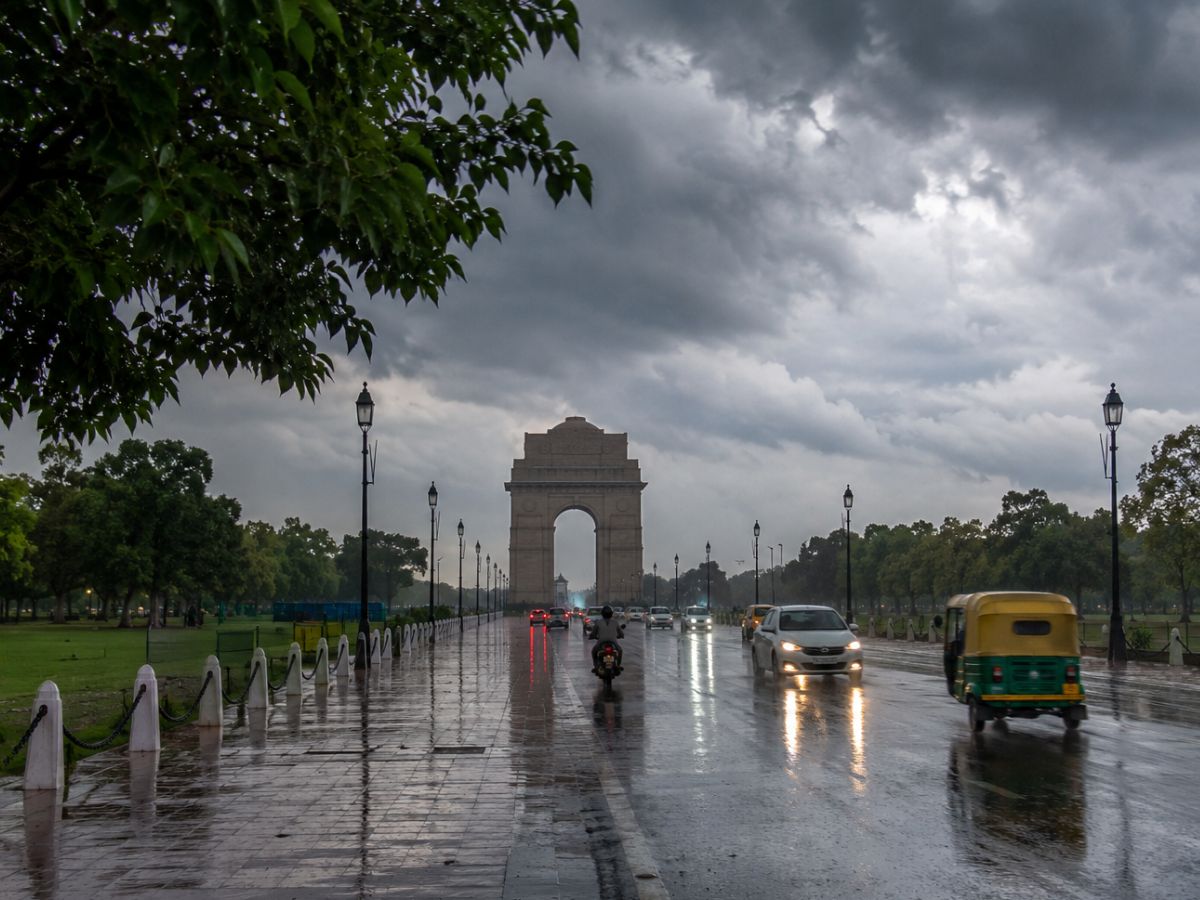
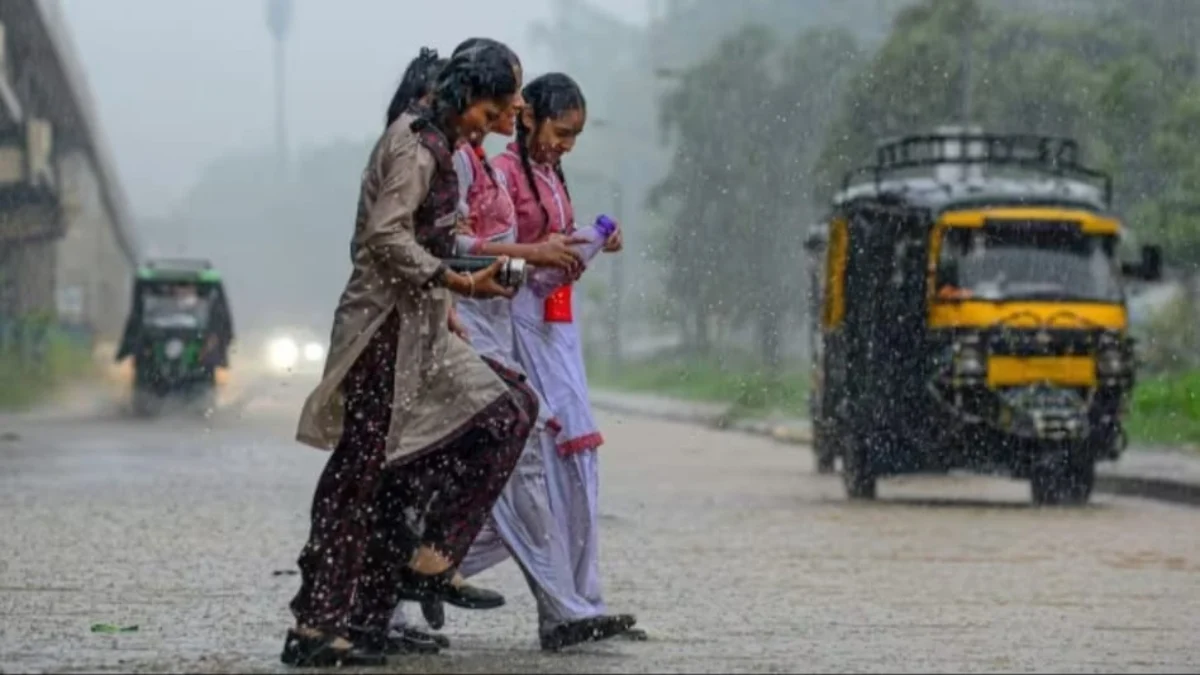
The India Meteorological Department (IMD) has issued a comprehensive weather warning as a significant atmospheric shift prepares to bring heavy rainfall to large swathes of the country over the coming week. Following recent monsoon developments, meteorologists are tracking active weather systems that threaten to disrupt normal agricultural operations, particularly in western and northern regions. The forecast suggests that extreme weather, including torrential downpours and potential storm conditions, will impact states ranging from the arid landscapes of Rajasthan to the mountainous terrains of Himachal Pradesh and Uttarakhand.
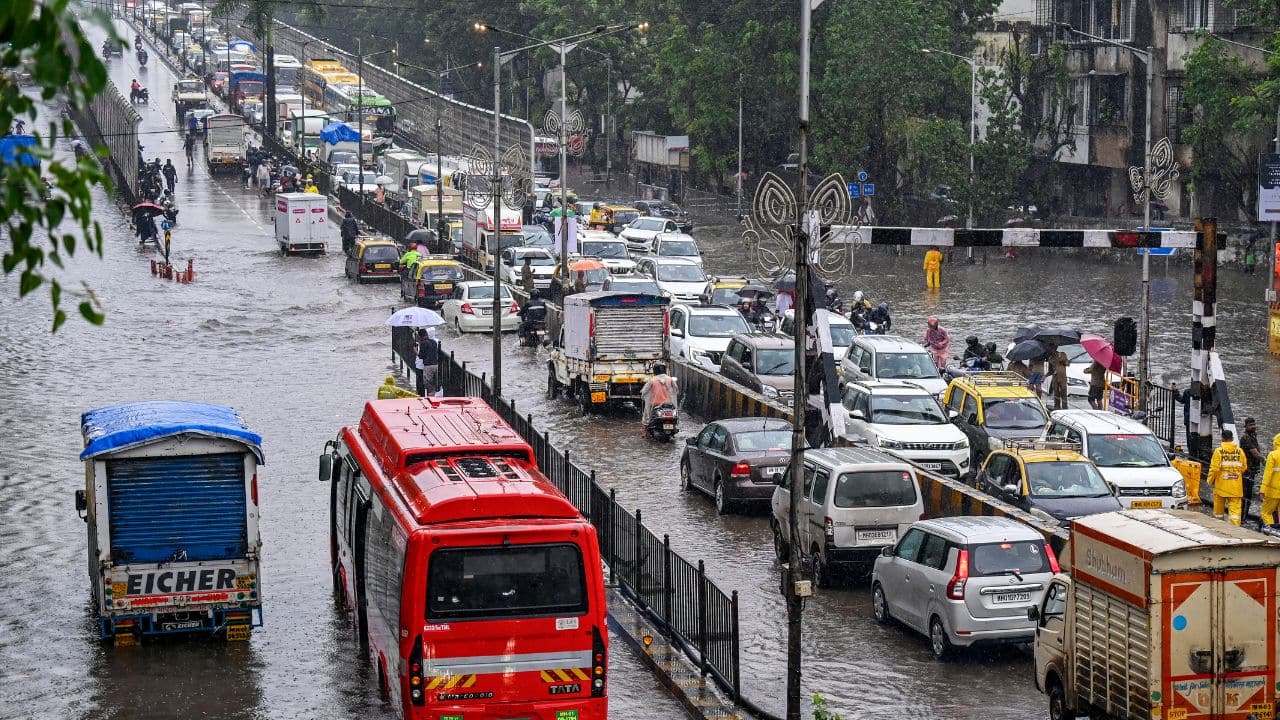
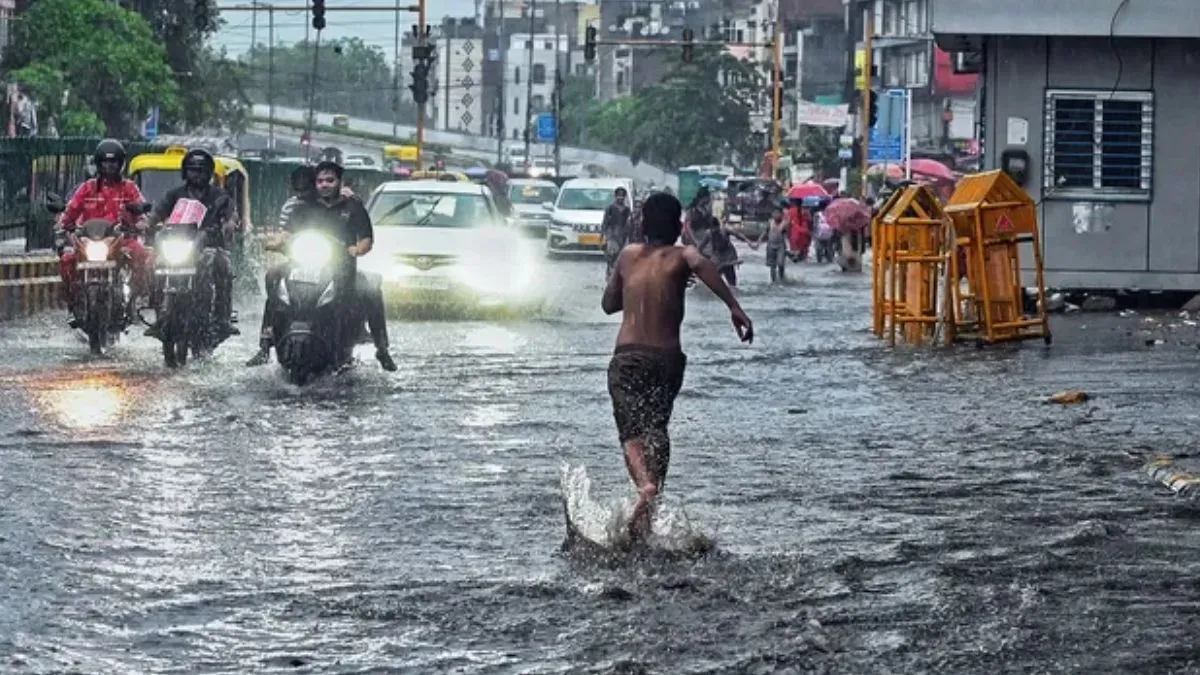
This weather shift is expected to intensify over the next several days, with the IMD highlighting specific concerns regarding flash flooding and waterlogging in low-lying areas. As the monsoon trough shifts, the moisture-laden winds are anticipated to bring widespread precipitation to Gujarat, Delhi-NCR, Punjab, Madhya Pradesh, Odisha, and the northeastern states of Assam and Meghalaya. For the farming community, this transition represents a critical juncture that requires immediate attention to crop management and field safety protocols.
Regional Breakdown: Assessing the Meteorological Impact
The meteorological outlook indicates that Gujarat is currently at the highest risk for extreme precipitation, with the IMD warning of potential torrential rainfall that could overwhelm drainage systems. This is particularly concerning for farmers in the midst of the current cropping cycle, where standing crops are vulnerable to waterlogging and soil erosion. Similarly, the northern belt—comprising Delhi-NCR, Punjab, and the hilly regions of Himachal Pradesh and Uttarakhand—is bracing for heavy rains that may trigger landslides in higher altitudes and disrupt logistics in the plains.
Central and Eastern India, specifically Madhya Pradesh and Odisha, are also expected to witness increased convective activity. In these regions, the combination of high humidity and heavy rainfall often creates a breeding ground for fungal pathogens and bacterial blights. Meanwhile, in the Northeast, including Assam and Meghalaya, the forecast of sustained heavy rain raises concerns regarding the saturation of soil, which can severely impact the health of root systems and increase the likelihood of nutrient leaching from topsoil. These weather patterns are indicative of a highly active monsoon phase, necessitating a high state of readiness among agricultural stakeholders.
Strategic Precautions and Field Management
The intensity of the forecasted weather events underscores the importance of proactive field management. Agronomists emphasize that the primary goal during such periods is to minimize physical damage to crops and prevent long-term soil degradation. In areas where heavy rainfall is anticipated, ensuring adequate drainage is the first line of defense. Farmers are advised to inspect existing drainage channels to ensure they are free of debris, allowing excess water to clear rapidly from fields to prevent root rot and anaerobic conditions that can suffocate crops.
Furthermore, the high moisture levels associated with this storm alert create an ideal environment for pests and diseases. Agricultural experts suggest that farmers should postpone any scheduled fertilizer or pesticide applications until the weather clears, as the effectiveness of these treatments is significantly reduced by heavy rain. Monitoring for early signs of disease—such as discoloration or wilting—is essential during the post-storm period, as rapid intervention can prevent localized outbreaks from spreading across the entire acreage.
What This Means for Farmers
For the agricultural sector, the IMD’s forecast serves as both a warning and a call to action. The economic consequences of extreme weather can be significant, ranging from immediate crop losses to long-term issues such as soil compaction and nutrient depletion. To mitigate these risks, farmers should prioritize the following actions:
- Secure Storage: Move harvested produce or essential inputs like seeds and fertilizers to elevated, dry storage areas to prevent water damage and spoilage.
- Infrastructure Maintenance: Reinforce temporary structures, such as sheds or livestock pens, to withstand potential gusty winds associated with the storm alerts.
- Livestock Safety: Ensure that cattle and other livestock are moved to higher, covered ground, and that adequate fodder is stored in a dry location to avoid supply chain disruptions.
- Monitor Local Alerts: Weather conditions can change rapidly. Farmers are strongly encouraged to stay updated via local weather bulletins and district-level agricultural advisory services, which provide more granular data than national forecasts.
- Post-Storm Recovery: Once the rains subside, conduct a thorough assessment of soil moisture and crop health. If flooding occurred, consider soil aeration techniques once the field is dry enough to prevent mechanical damage.
By staying informed and executing localized risk management strategies, farmers can better navigate this period of volatile weather, ultimately protecting their investments and ensuring the stability of their seasonal yields.