India Braces for Widespread Rainfall: IMD Issues Alert for July 24
As the monsoon season reaches a critical phase, the India Meteorological Department (IMD) has issued a comprehensive weather forecast for July 24, signaling a period of intensified activity across much of the Indian subcontinent. Meteorological data indicates that several states, particularly those in the northern, western, and northeastern belts, are set to experience significant rainfall, accompanied by thunderstorms and gusty winds. For the agricultural sector and urban centers alike, this forecast serves as a crucial reminder of the monsoon's volatility and the necessity for heightened preparedness.
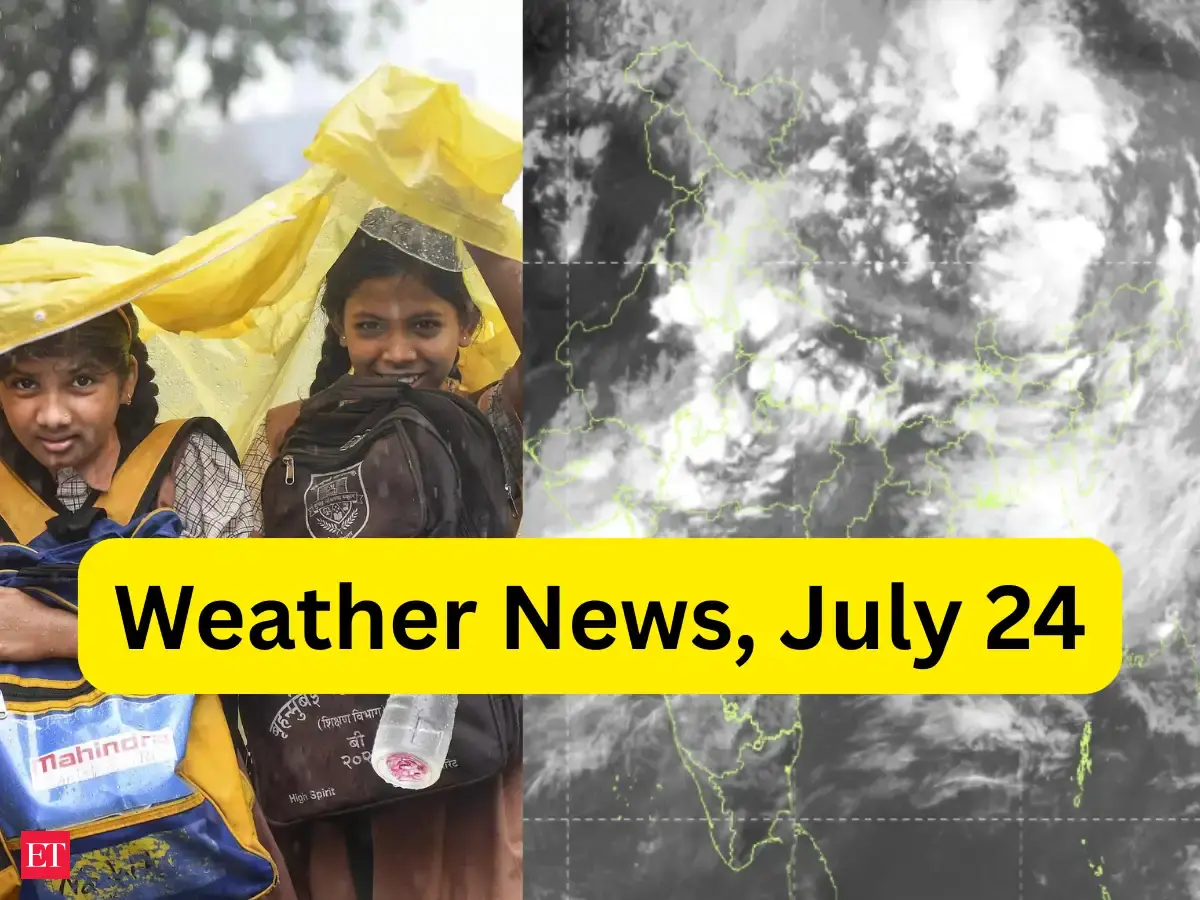
Major metropolitan hubs, including Delhi, Mumbai, Bengaluru, Chennai, Kolkata, Hyderabad, and Ahmedabad, are expected to remain under cloud cover for the duration of the day. While the intensity of precipitation will vary across these regions, the overarching trend points to intermittent showers and localized heavy downpours. The IMD has emphasized that the current atmospheric conditions are conducive to lightning strikes and high-velocity winds, posing potential challenges for infrastructure and outdoor activities.
Regional Weather Outlook and Meteorological Drivers
The forecast for July 24 is shaped by a complex interplay of monsoon troughs and cyclonic circulations currently influencing the subcontinent. In the northern regions, including the national capital and surrounding areas, moisture-laden winds from the Arabian Sea and the Bay of Bengal are converging, leading to sustained cloud cover and scattered rainfall. These conditions are expected to provide some relief from humidity but bring the risk of waterlogging in low-lying urban areas.
Western India, particularly the coastal regions and the interior of Gujarat, is bracing for localized heavy rainfall. The IMD’s models suggest that these areas may witness intense convective activity, characterized by thunderstorms and sudden, sharp squalls. Meanwhile, the northeastern states, which have already seen significant monsoon activity this season, are expected to continue receiving substantial rainfall. This sustained precipitation is essential for replenishing reservoirs but requires close monitoring due to the heightened risk of flash floods and soil instability in hilly terrains.
Southern cities such as Bengaluru and Hyderabad are anticipated to see a mix of cloudy skies and light-to-moderate rain. While these showers are generally welcomed for urban water management, the unpredictable nature of the monsoon means that localized thunderstorms can develop rapidly, potentially disrupting transit and utility services during peak hours.
What This Means for Farmers
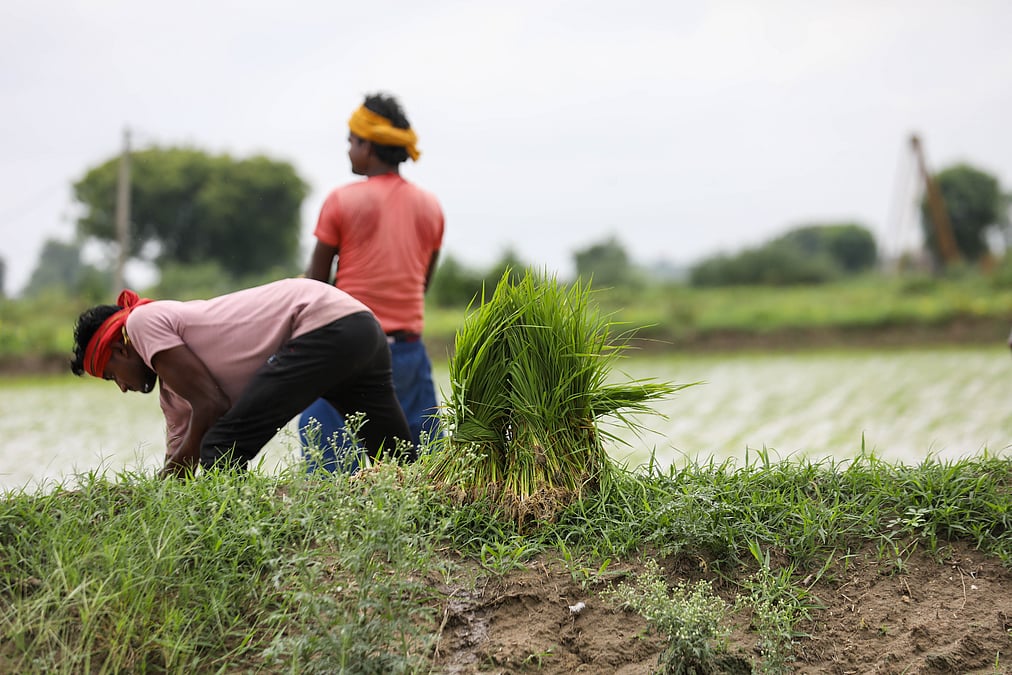
For the Indian farming community, the IMD’s forecast for July 24 necessitates a strategic shift in field management and crop protection. The onset of heavy rainfall and gusty winds, particularly in the northern and western breadbaskets, carries several immediate implications:
- Crop Protection Measures: Farmers are advised to ensure adequate drainage in fields to prevent waterlogging, which can lead to root rot and nutrient leaching, especially in sensitive vegetable and pulse crops. High winds may also necessitate the temporary support of taller crops to prevent lodging.
- Pest and Disease Management: Persistent rain and high humidity create a breeding ground for various fungal and bacterial pathogens. Producers should monitor their fields closely for signs of blight or fungal infections and consider prophylactic measures once the weather clears, ensuring that chemical applications are not washed away by subsequent rain.
- Field Operations: With thunderstorms and lightning forecasted, agricultural workers should prioritize safety by avoiding open fields during peak storm activity. Any planned fertilization or pesticide application should be delayed until the weather stabilizes, as rain-induced runoff not only wastes expensive inputs but also poses environmental risks to local water bodies.
- Livestock and Infrastructure: Ensure that livestock are housed in secure, dry shelters protected from high winds and potential lightning strikes. Farmers are also encouraged to check the integrity of irrigation infrastructure and farm outbuildings, ensuring that water channels are clear of debris to handle the incoming volume of runoff efficiently.
Ultimately, while the monsoon remains the lifeblood of Indian agriculture, the intensity forecasted for July 24 underscores the importance of integrating meteorological data into daily farm management. By staying attuned to the latest IMD advisories, farmers can mitigate risks, protect their investments, and capitalize on the moisture provided by these seasonal rains.