Gujarat Intensifies Public Health Response Following Heavy Monsoon Flooding
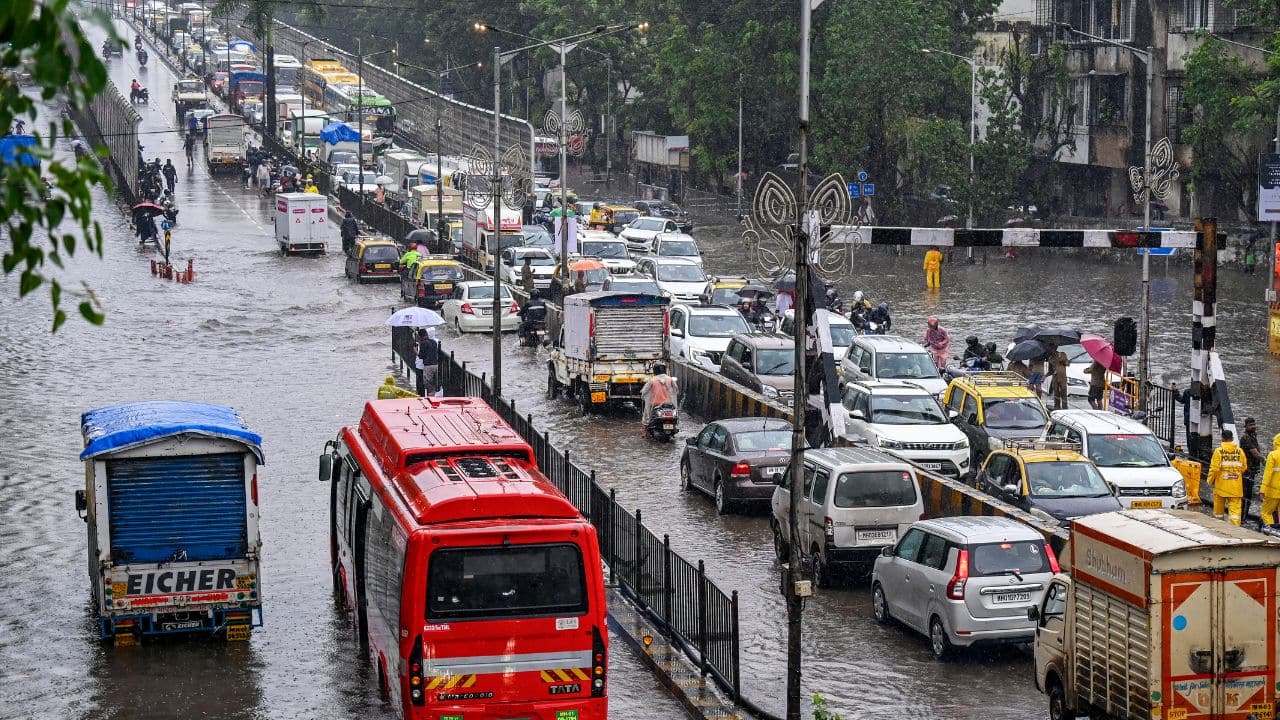
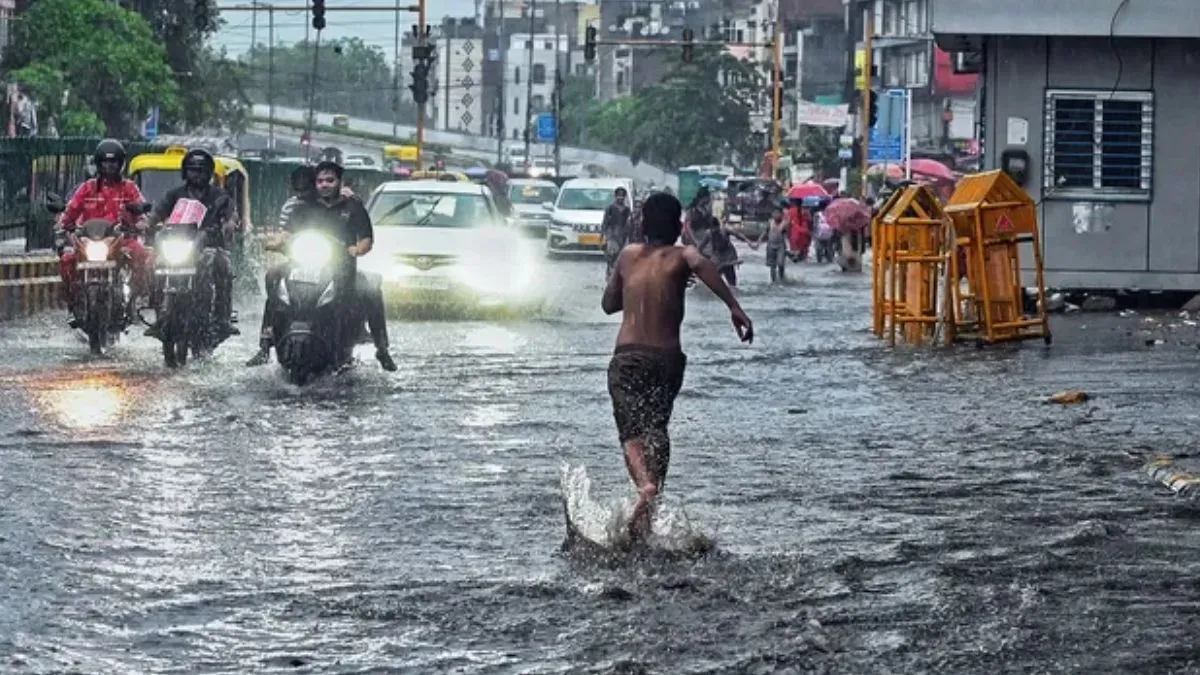
The state of Gujarat is currently navigating the aftermath of an intense monsoon season, as government authorities mobilize a massive public health response to mitigate the risks of waterborne diseases and secondary health crises in flood-affected districts. Following significant rainfall that left low-lying agricultural zones and rural communities inundated, the state health department has launched a comprehensive surveillance and emergency medical campaign. This initiative aims to reach vulnerable populations in remote regions, ensuring that medical intervention is readily available to those whose access to primary healthcare facilities has been disrupted by rising water levels.
Recent reports indicate that over 1.74 lakh individuals have already received medical attention through specialized health camps established across the affected regions. The scale of the deployment reflects the urgency of the situation, with thousands of medical personnel, surveillance officers, and emergency response teams currently operating in the field to monitor community health trends and provide essential care.
Strategic Deployment of Surveillance and Emergency Infrastructure
The core of the state's response strategy centers on aggressive surveillance to prevent the outbreak of infectious diseases, which often follow in the wake of severe flooding. Stagnant water and the disruption of sanitation infrastructure create ideal conditions for the rapid spread of waterborne illnesses, such as cholera, typhoid, and various skin infections. To counter these threats, the Gujarat health department has moved beyond traditional facility-based care, instead deploying mobile medical units that traverse rural landscapes to provide on-site diagnostics and treatment.
These emergency response teams are tasked with three primary objectives: conducting rapid health assessments, distributing prophylactic medication, and ensuring that clean drinking water supplies are maintained in rural clusters. By decentralizing the healthcare response, authorities are effectively creating a safety net for farming communities that are often geographically isolated during the monsoon. Furthermore, the state has prioritized the monitoring of vector-borne diseases, recognizing that the proliferation of mosquito breeding grounds in flooded fields poses a long-term threat to the health of the agricultural workforce.
Addressing Long-Term Sanitation and Vector Control
Beyond immediate medical treatment, the state is shifting its focus toward robust sanitation management and vector control. As floodwaters begin to recede, the biological hazards left behind—including contaminated mud, organic debris, and standing water—present significant environmental health challenges. Authorities have begun systematic disinfection drives in affected villages, focusing on public water sources and communal areas to neutralize potential pathogens.
The integration of local administrative bodies and agricultural extension services has been pivotal in this phase. By coordinating with local village councils, the health department is ensuring that awareness campaigns regarding water purification and hygiene reach every household. This multi-agency approach is designed to minimize the duration of the crisis, allowing rural populations to focus on the recovery of their homes and the assessment of their damaged crops without the added burden of widespread illness.
What This Means for Farmers
For the farming community, the current public health crisis carries both immediate and long-term economic implications. The priority for any producer in a flood-hit region must be the health and safety of both their family and their labor force. An outbreak of illness during the critical post-monsoon period can lead to significant delays in crop management, field drainage, and the replanting of damaged seasonal varieties.
- Prioritize Personal Health: Farmers should utilize the state-provided health camps at the first sign of symptoms, such as fever or skin irritation, rather than attempting to self-medicate. Early detection is vital to preventing the spread of illness within labor groups.
- Water Safety Protocols: Contaminated water remains the primary risk factor. Ensure that all drinking water is boiled or treated with government-approved purification tablets. Do not rely on untreated well water, as flooding often compromises groundwater integrity.
- Sanitation Maintenance: Once floodwaters recede, focus on removing organic waste and debris from around the farmhouse and living quarters. This reduces the risk of attracting pests and rodents that carry disease.
- Documenting Losses: While focused on health, farmers should maintain clear records of any health-related disruptions to their agricultural operations, as this information may be necessary for future insurance claims or government relief assistance related to the monsoon damage.
By engaging with the state’s mobile medical services and adhering to hygiene protocols, farmers can protect their most valuable asset—their health—thereby ensuring they are physically prepared to manage the recovery of their fields in the weeks ahead.