Monsoon Intensifies: IMD Issues Alert for Widespread Heavy Rainfall and Storm Activity
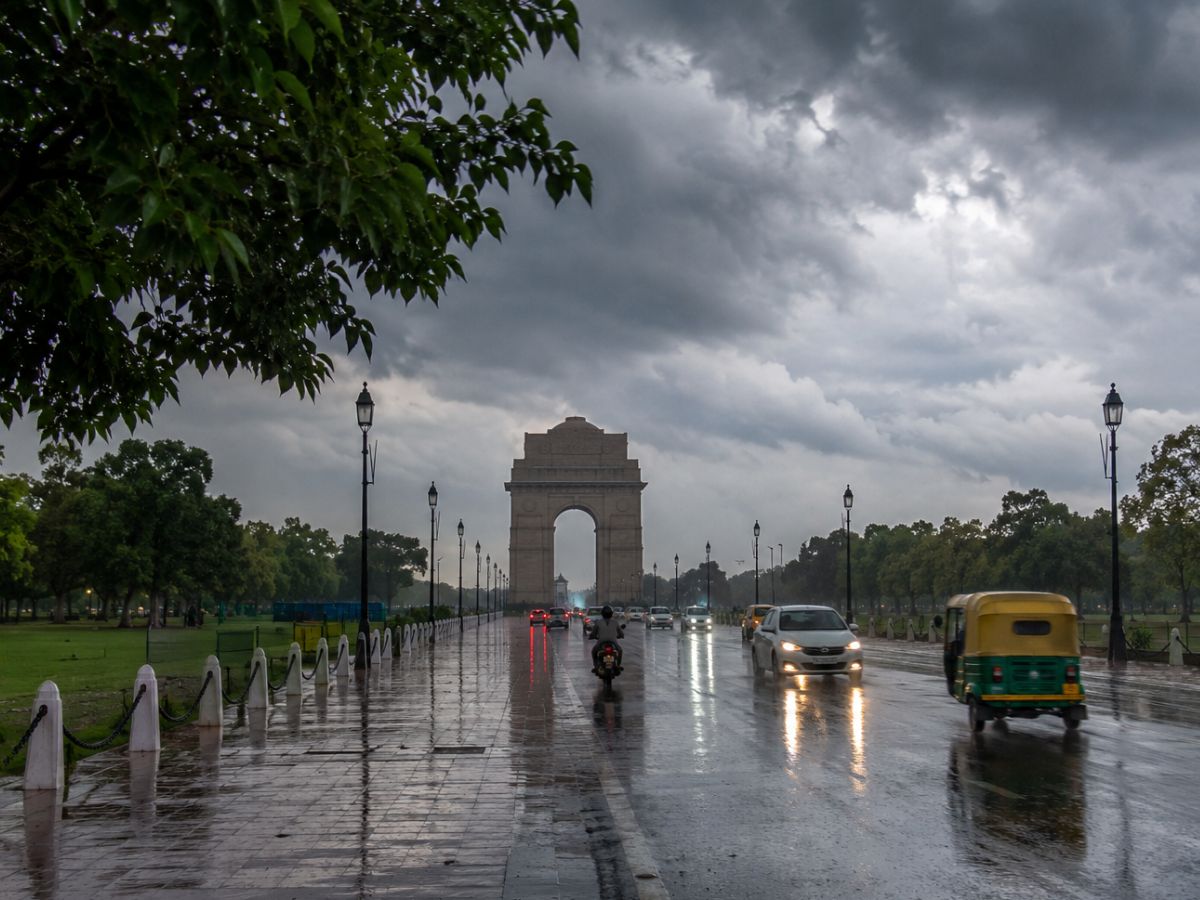
The India Meteorological Department (IMD) has issued a comprehensive weather advisory for August 1, signaling a period of heightened instability across several key agricultural and urban regions. As the monsoon season progresses into its critical mid-point, the latest forecast points toward a surge in convective activity, bringing heavy rainfall, gusty winds, and localized thunderstorms to states including Delhi, Gujarat, Himachal Pradesh, and Rajasthan. Meteorologists attribute this shift to shifting synoptic patterns that are currently funneling moisture-laden winds across the northern and western corridors of the country.
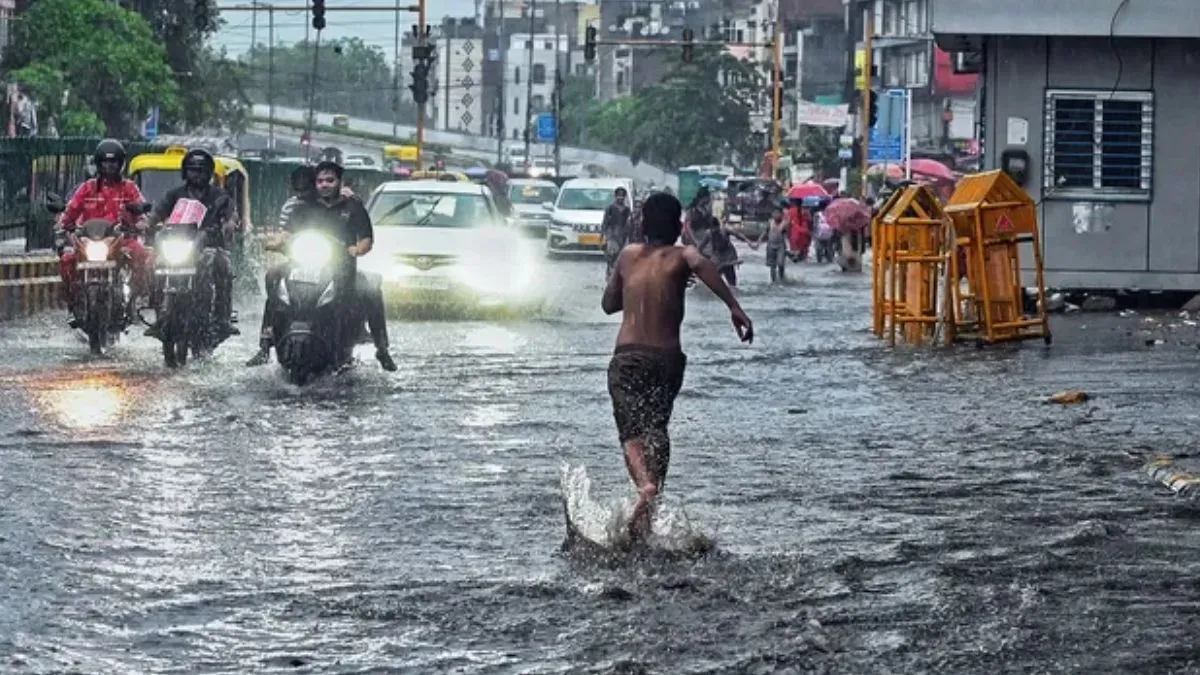
For large swaths of the population, the forecast serves as a critical warning. The combination of intense precipitation and high-velocity winds creates a volatile environment, particularly in regions already saturated by previous monsoon spells. Authorities are closely monitoring the situation as the potential for flash flooding, waterlogging in urban centers, and landslides in mountainous terrain increases significantly over the next 24 to 48 hours.
Synoptic Drivers Behind the Weather Shift
The ongoing weather instability is the result of a complex interaction between localized low-pressure systems and the active offshore monsoon trough. In Himachal Pradesh, the rugged topography is expected to amplify the impact of the incoming weather systems, raising concerns regarding slope stability and the safety of transport infrastructure. In Rajasthan and Gujarat, the atmospheric conditions are primed for sudden, intense downpours, which can often lead to rapid surface runoff, complicating the management of water resources in semi-arid environments.
The IMD has emphasized that the presence of lightning activity poses a significant risk during this period. Thunderstorm development is being fueled by high humidity levels and temperature fluctuations in the lower atmosphere. These conditions are conducive to rapid cloud formation, leading to sudden, high-intensity rain events that are difficult to predict with long-range models. As such, the department is maintaining a high-alert status, urging citizens to stay updated through real-time localized weather bulletins.
Impact on Agricultural Landscapes and Regional Infrastructure
The agricultural sector faces the most direct consequences of this unpredictable weather pattern. In regions like Gujarat and Rajasthan, where monsoon rains are essential for the survival of Kharif crops, the timing and intensity of these spells are vital. While the rainfall provides much-needed moisture for sowing and vegetative growth, excessive precipitation can lead to waterlogging, nutrient leaching, and potential crop damage if fields are not adequately drained.
Furthermore, the gusty winds associated with these storms present a mechanical risk to standing crops. Tall-growing crops, such as maize or certain varieties of pulses, are particularly vulnerable to lodging—a condition where the stalks bend or break due to wind pressure, leading to significant yield losses. Meanwhile, in the hilly terrains of Himachal Pradesh, the focus remains on the prevention of soil erosion and the protection of horticultural assets, which are sensitive to both heavy rainfall and the sudden temperature drops that often accompany these storms.
What This Means for Farmers
For farmers operating in the affected states, the next few days require proactive management and heightened vigilance. The economic implications of this weather are significant, and taking preemptive steps can help mitigate potential losses.
- Prioritize Field Drainage: Ensure that drainage channels are cleared of debris. Stagnant water in fields for more than 24 to 48 hours can lead to root rot and other fungal diseases, especially in sensitive crops.
- Monitor for Pest and Disease Outbreaks: High humidity and rainfall create ideal conditions for the rapid spread of pests and pathogens. Farmers should scout their fields regularly and be prepared to implement integrated pest management (IPM) strategies as soon as the weather permits.
- Secure Infrastructure: Gusty winds can damage temporary structures, storage facilities, and irrigation equipment. Ensure that all loose items are secured and that electrical connections for pumps and farm machinery are protected from moisture and potential lightning strikes.
- Adjust Nutrient Management: Heavy rainfall can leach essential nitrogen from the soil. Consult with local agricultural extension officers regarding the timing of top-dressing fertilizers, as applying them immediately before a heavy rain event may result in significant nutrient runoff and economic waste.
- Prioritize Personal Safety: When thunderstorms and lightning are forecast, avoid working in open fields, near tall isolated trees, or with metal equipment. Staying informed via local IMD updates is essential for planning daily operations safely.
By staying alert and aligning farm operations with the latest meteorological data, producers can better navigate this period of climatic uncertainty and safeguard the season's yield potential.