Heavy Rainfall Forecast: IMD Issues Multi-State Alert for August
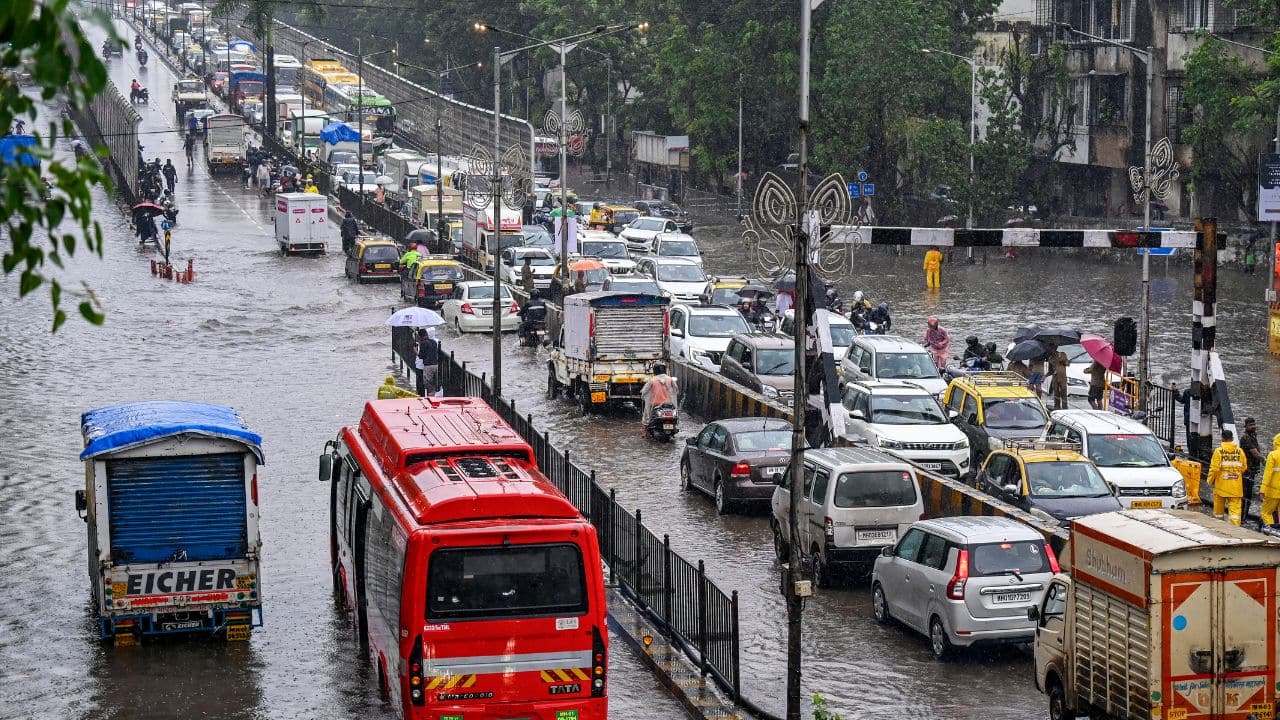
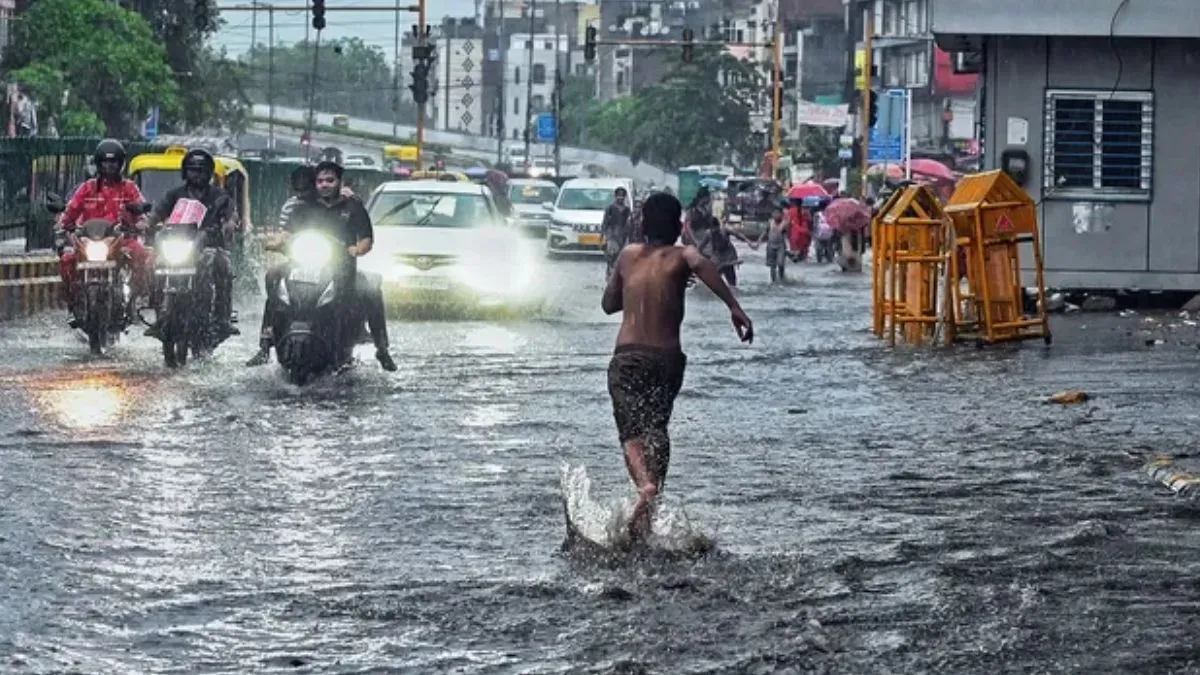
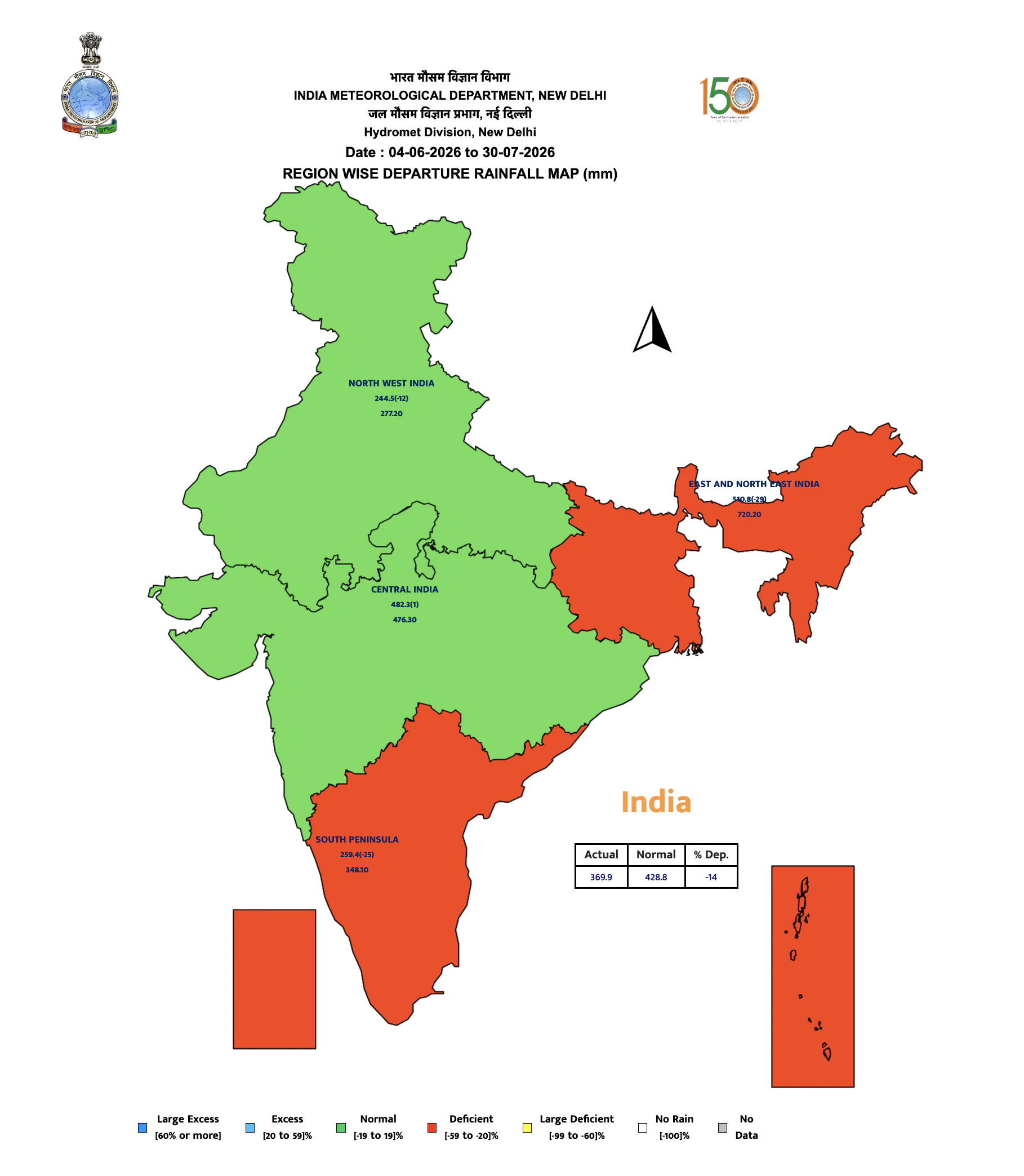
As the monsoon season reaches a critical juncture, the India Meteorological Department (IMD) has issued a comprehensive weather alert for the first week of August. Projections indicate that 15 states are poised to experience significant rainfall, with meteorological conditions signaling a period of intense precipitation across the northern, western, and eastern corridors of the country. This weather pattern, driven by active monsoon troughs and cyclonic circulations, poses both opportunities for replenishing water reservoirs and substantial risks to standing crops and infrastructure.
The IMD has categorized the intensity of the expected weather across several regions, placing Gujarat under a high-priority red alert, indicating the potential for extremely heavy rainfall that could lead to localized flooding and waterlogging. Concurrently, Himachal Pradesh has been placed under an orange alert, highlighting concerns regarding landslides and flash floods in the hilly terrain. Other regions, including Delhi, Uttar Pradesh, Bihar, and Rajasthan, are bracing for sustained rainfall, which is expected to influence local agricultural cycles and urban mobility.
Regional Meteorological Dynamics and Expected Impact
The current forecast reflects a strengthening of the monsoon currents. In Western India, particularly Gujarat, the convergence of moisture-laden winds from the Arabian Sea is expected to dump significant precipitation. This is a critical period for the region, as the state moves deeper into the Kharif cropping season. While the rainfall is essential for soil moisture, the sheer volume predicted under the red alert necessitates vigilance regarding field drainage and the prevention of crop drowning in low-lying areas.
In the Northern and North-Western plains, including Delhi, Rajasthan, and Uttar Pradesh, the arrival of these rain spells is expected to provide relief from recent humidity, though it brings the challenge of excess water management. For Bihar and the eastern states, the monsoon remains active, and the forecasted rains are likely to keep river levels high, necessitating a close watch on potential inundation of agricultural lands. The Himachal Pradesh orange alert serves as a stark reminder of the vulnerability of mountain agriculture to extreme weather, where heavy rain can trigger soil erosion and damage infrastructure vital for the transportation of farm produce.
The Agronomic Perspective: Balancing Irrigation and Crop Health
From an agronomic standpoint, these heavy rainfall events present a duality of outcomes. On one hand, adequate rainfall is the lifeblood of the Kharif season, particularly for water-intensive crops such as paddy. Sufficient moisture during these vegetative growth stages is crucial for optimal yield potential. However, the intensity of the forecast creates a risk of nutrient leaching, where essential nitrogenous fertilizers are washed away from the root zone, potentially necessitating split-application adjustments once the rains subside.
Furthermore, prolonged wet conditions increase the susceptibility of crops to fungal infections and pest infestations. Farmers are advised to prioritize the monitoring of crop health as soon as the weather clears, keeping an eye out for early signs of blight, root rot, or leaf spot diseases which thrive in high-humidity environments. The management of standing water in fields becomes the primary task for growers in the affected 15 states to ensure that the root systems remain oxygenated and healthy.
What This Means for Farmers
The upcoming spell of heavy rain demands a proactive approach to farm management to mitigate potential losses. Farmers are urged to consider the following practical measures:
- Improve Field Drainage: Ensure that drainage channels around the periphery of fields are clear of debris to prevent water stagnation, which can lead to crop suffocation and root damage.
- Delay Fertilizer Application: Postpone the application of granular fertilizers or pesticides until after the heavy rainfall subsides. Applying these inputs during heavy downpours results in significant nutrient runoff and environmental wastage.
- Monitor Pest and Disease Pressure: Increased soil moisture often triggers the emergence of soil-borne pathogens. Scout fields for signs of wilt or fungal growth and consult local agricultural extension officers for appropriate prophylactic measures.
- Secure Harvested Produce: For farmers who may have early-harvested crops or stored fodder, ensure that these are moved to elevated, dry, and well-ventilated locations to avoid spoilage from moisture and mold.
- Livestock Safety: Move livestock to higher ground and ensure they have access to dry bedding and clean water, as heavy rains can contaminate local water sources and increase the risk of foot-related diseases in animals.
As the weather situation evolves, farmers should remain tethered to the latest IMD updates via official portals and local agricultural advisories to make informed decisions regarding their day-to-day operations. Staying prepared is the most effective strategy to turn this period of heavy rainfall into a productive outcome for the agricultural sector.