The Monsoon Paradox: Unpacking India’s Flood-Deficit Duality
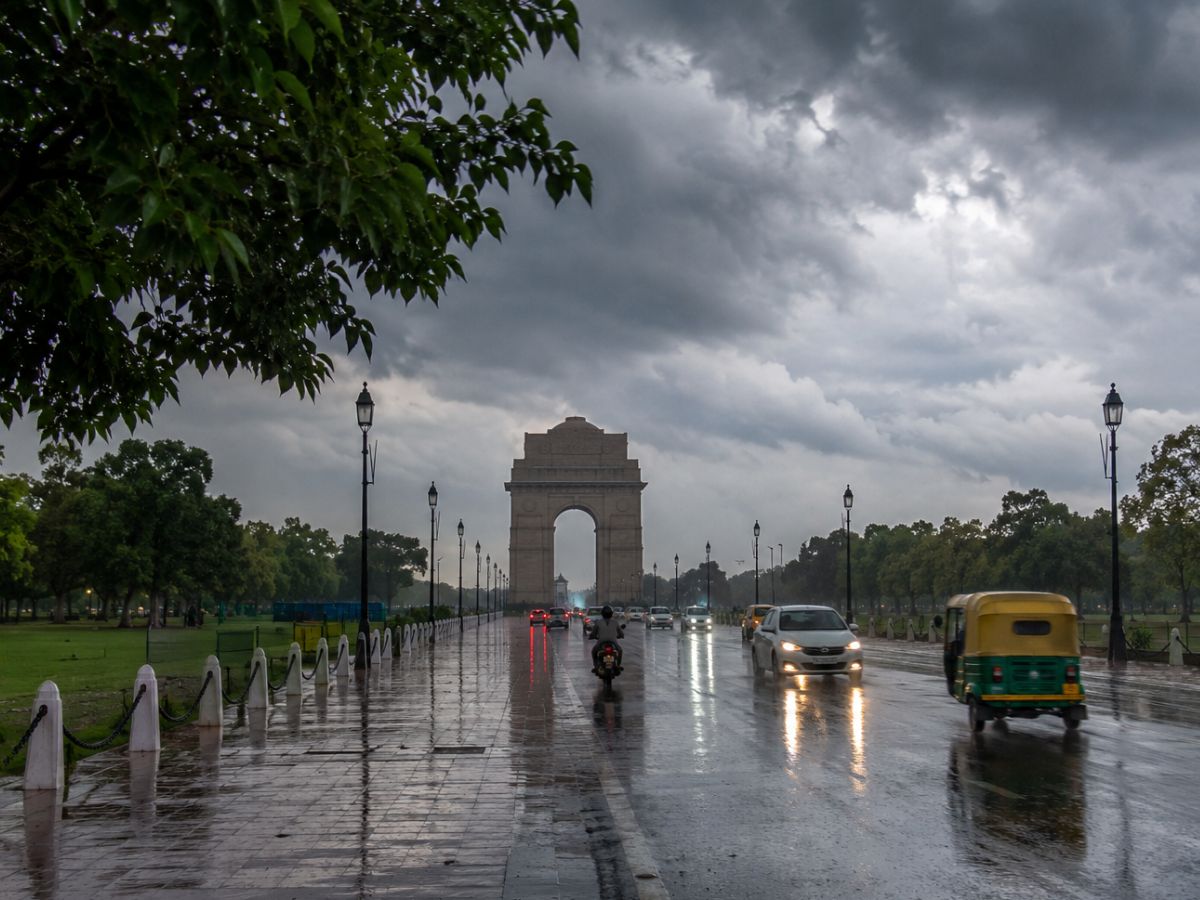
As the Indian monsoon season progresses, the country finds itself grappling with a perplexing meteorological phenomenon: severe localized flooding occurring alongside a national trend of erratic or deficient rainfall. Recent analytical data reveals that the traditional metrics used to define a "good" monsoon are being challenged by shifts in atmospheric behavior. While the total volume of rainfall may appear insufficient in broad regional assessments, the intensity of individual weather events has reached concerning levels, fundamentally altering the landscape of Indian agriculture and water management.
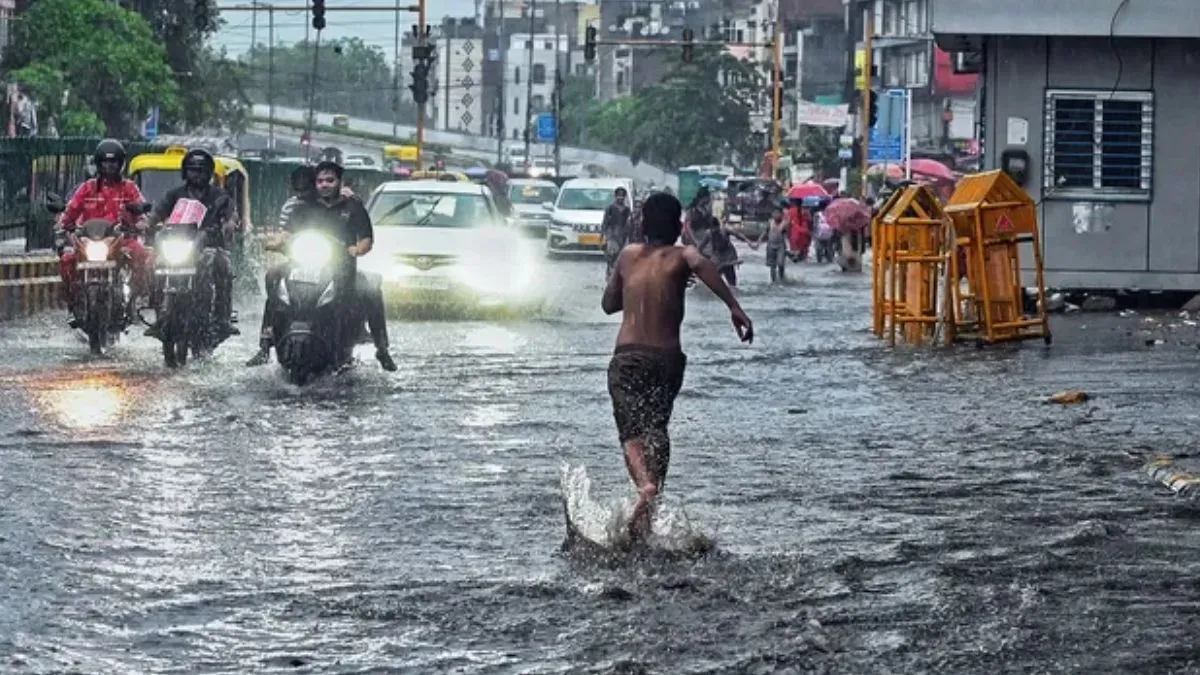
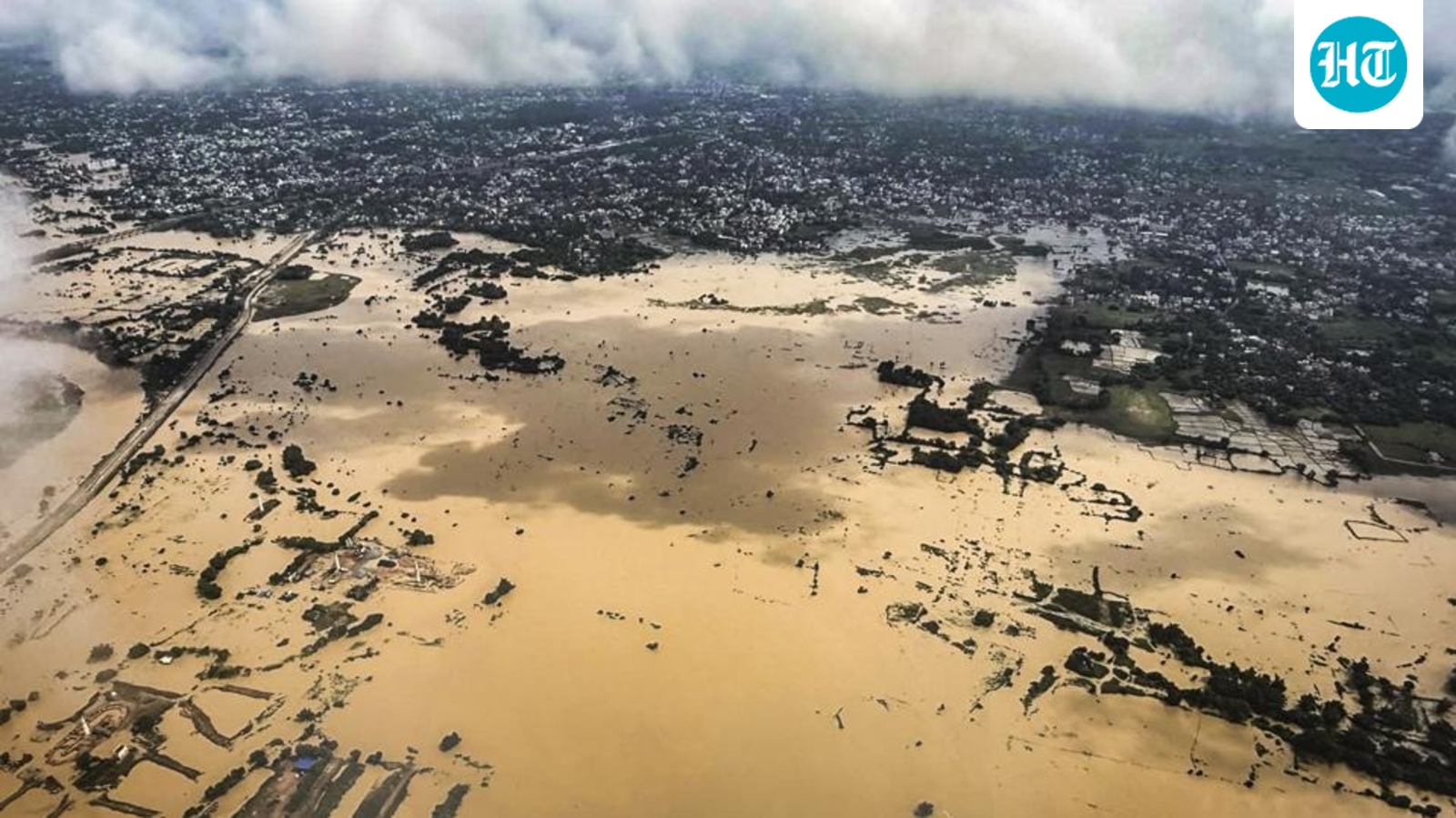
The core of this issue lies in the transformation of monsoon patterns from steady, distributed precipitation to highly concentrated, high-intensity bursts. Even in regions currently reporting a seasonal deficit, the sheer force of short-duration rainfall—often termed "cloudburst-like" events—is overwhelming drainage infrastructure and soil absorption capacities. This creates a deceptive narrative where a drought-prone district may simultaneously face flash floods, complicating both disaster mitigation and crop management strategies.
Shifting Dynamics of Precipitation Intensity
Meteorologists and climate researchers have long noted that the monsoon is no longer behaving as a predictable, seasonal pulse. Instead, the current season has highlighted a trend where the total quantum of rain is delivered in fewer, more violent episodes. This "intensity-deficit paradox" occurs when long dry spells are interrupted by extreme weather events that dump the equivalent of several weeks’ worth of rain in a matter of hours.
From an agronomic perspective, this pattern is highly problematic. Soil health relies on the steady infiltration of water to recharge aquifers and hydrate the root zones of standing crops. When rain falls with extreme intensity, the soil surface becomes compacted, and the water—rather than percolating into the earth—runs off rapidly, leading to erosion and surface-level flooding. Consequently, the ground remains parched at lower depths even as fields are submerged at the surface. This creates a scenario where the cumulative deficit remains high, yet the immediate impact on infrastructure and standing crops is catastrophic, mirroring the damage typically associated with excessive rainfall.
Infrastructure and Soil Management Under Pressure
The agricultural sector is particularly vulnerable to these shifts in rainfall distribution. Traditional farming practices in India have evolved around the expectation of a sustained monsoon, with crop calendars synchronized to regional precipitation averages. When these averages are skewed by high-intensity events, the conventional wisdom regarding sowing, irrigation, and drainage becomes obsolete.
Furthermore, the increased intensity of rain events accelerates the loss of topsoil, stripping away vital nutrients and organic matter that are essential for long-term productivity. This leads to a vicious cycle: as the land loses its natural ability to retain water due to degradation and compaction, it becomes even more susceptible to flash floods. Managing this requires a transition toward climate-resilient agricultural engineering, such as improved watershed management, the construction of check dams to slow runoff, and the adoption of moisture-retaining cover crops that stabilize the soil structure against heavy downpours.
What This Means for Farmers
For the farming community, the current monsoon trend necessitates a shift in both tactical operations and long-term planning. The following considerations are vital for navigating this unpredictable environment:
- Prioritize Drainage Infrastructure: Farmers must ensure that field drainage systems are cleaned and expanded before the monsoon peak. With high-intensity rain becoming the norm, the ability to quickly drain excess water is as critical as the ability to store it for irrigation.
- Focus on Soil Health and Permeability: Increasing the organic matter content in the soil is the most effective defense against both drought and flood. High organic carbon levels improve soil structure, allowing for better water infiltration during heavy rain and increased moisture retention during dry spells.
- Diversification and Crop Insurance: Given the volatility, relying on a single crop cycle is increasingly risky. Farmers should explore crop diversification and ensure they are enrolled in comprehensive weather-based crop insurance schemes that specifically account for localized extreme weather events rather than just regional aggregate rainfall.
- Adopt Precision Irrigation: Because the monsoon can no longer be relied upon to provide consistent water, investing in micro-irrigation systems allows farmers to supplement their water needs during the inevitable dry spells that occur between these high-intensity rainfall events, effectively buffering their crops against the "deficit" periods.
- Monitor Localized Data: Relying on district-level rainfall data is no longer sufficient. Farmers are encouraged to utilize localized weather monitoring apps and local agricultural extension services that provide hyper-local forecasts, enabling more precise timing for fertilization and pest control measures, which are often washed away by sudden, intense storms.