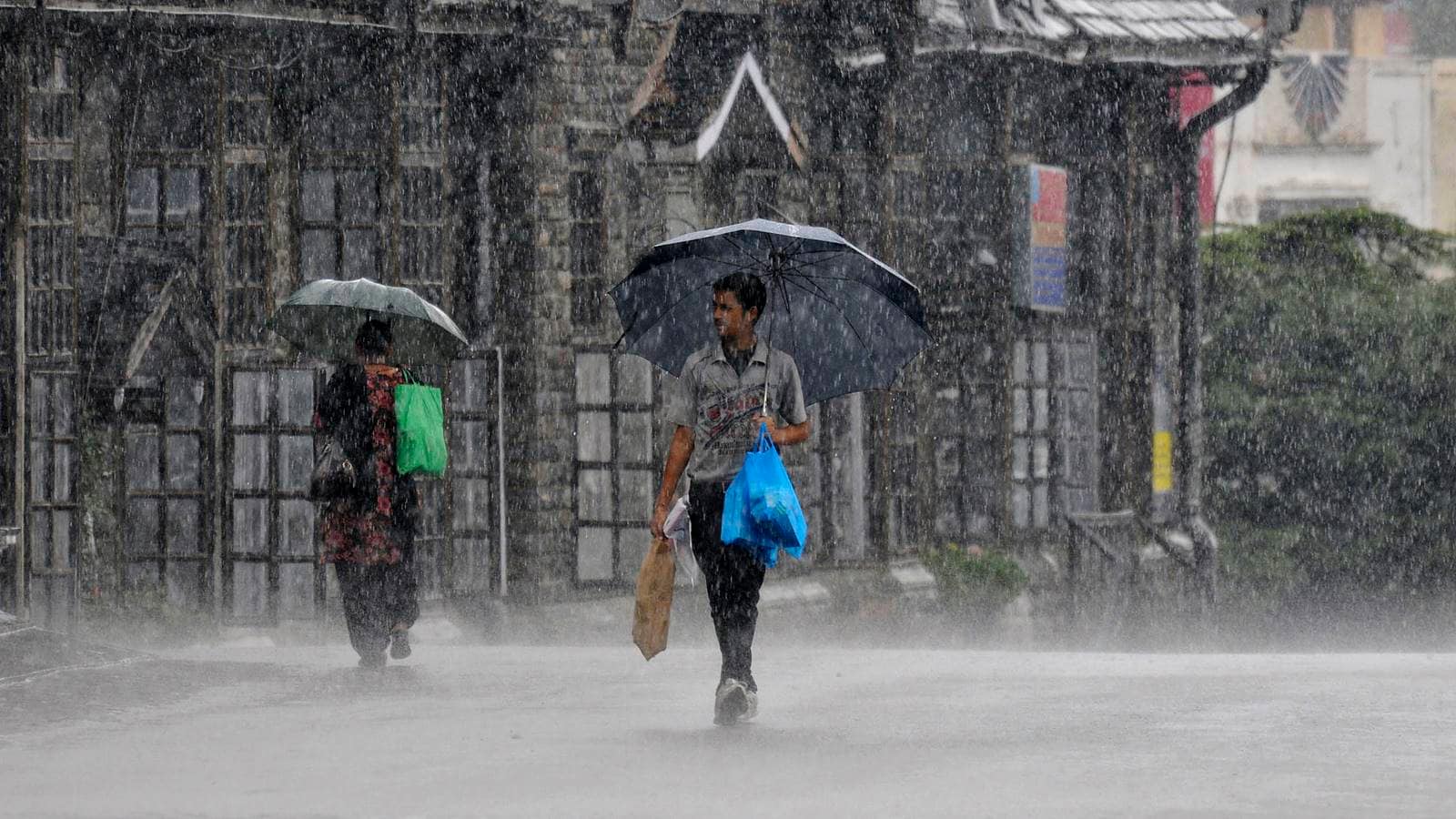
Meteorological Alert: Heavy Rainfall and Gusty Winds Forecast Across Key Agricultural Regions
Agricultural authorities and regional disaster management agencies have issued a high-alert warning as the India Meteorological Department (IMD) forecasts a period of intense atmospheric instability across central and northern India. Between July 25 and July 30, a significant weather system is expected to bring heavy to very heavy rainfall, accompanied by gusty winds, to the states of Gujarat, Madhya Pradesh, and the National Capital Region (NCR) of Delhi.
This weather shift is attributed to the strengthening of monsoon currents and the formation of low-pressure zones that are currently tracking across the subcontinent. For farmers, this window represents a critical period of vulnerability, as the timing coincides with active stages of crop growth for several primary commodities. Meteorological experts are advising local administrations to monitor soil moisture levels and drainage infrastructure closely, as sudden, high-volume precipitation poses a risk of flash flooding in low-lying agricultural plains.
Regional Impact: Managing Hydrological Stress
The state of Gujarat, which serves as a major hub for cotton, groundnut, and pulses, faces the most immediate threat from the incoming weather front. Regions within the state that have already experienced consistent rainfall this month may reach a saturation point, increasing the likelihood of waterlogging. Excessive soil moisture during the active vegetative growth phase can impede root respiration and lead to the development of fungal pathogens, which thrive in high-humidity, water-saturated environments.
Simultaneously, Madhya Pradesh and the Delhi NCR region are bracing for high-velocity winds that accompany the heavy rainfall. These gusts present a physical threat to standing crops, particularly those that have reached significant height or are in the flowering stage, where stalks may be prone to lodging. Beyond the immediate impact on plant physiology, the anticipated weather pattern is expected to disrupt logistics and market access, potentially slowing the transport of perishable goods to major urban wholesale markets.
Strategic Preparedness and Infrastructure
The IMD’s forecast serves as a prompt for regional agricultural departments to activate contingency plans. In areas where heavy rainfall is anticipated, the priority remains the maintenance of drainage channels to prevent the submergence of fields. In the Delhi NCR and surrounding agricultural belts, farmers are being urged to ensure that their irrigation systems are not only clear but capable of managing excess runoff. Effective field management during this five-day window will be essential to mitigating the risk of nutrient leaching, a common consequence of high-intensity rainfall that strips the topsoil of essential nitrogen and potassium.
Furthermore, the gusty winds associated with this system necessitate caution regarding farm infrastructure. Farmers are advised to inspect semi-permanent structures, such as shade houses or storage sheds, to ensure they are adequately anchored against high-speed winds. Securing stored grain and harvested produce against moisture infiltration remains a top priority to prevent post-harvest spoilage and the onset of mycotoxin contamination, which can occur rapidly when moisture levels are left unchecked.
What This Means for Farmers
The upcoming weather event necessitates a shift from routine field management to a defensive posture. For farmers in the affected regions, the following actions are recommended:
- Prioritize Drainage: Ensure all field channels and drainage outlets are unobstructed. Clearing debris from these pathways is the most effective way to prevent crop drowning and long-term soil compaction.
- Postpone Fertilizer Application: Delay the application of nitrogenous fertilizers until after the heavy rain subsides. Applying nutrients immediately before intense precipitation leads to significant leaching, rendering the input ineffective and economically wasteful.
- Monitor for Pest and Disease: High humidity and rainfall often trigger outbreaks of leaf spot, blight, and sucking pests. Prepare to conduct post-storm field inspections and have appropriate, approved protective measures ready to deploy once conditions dry.
- Secure Infrastructure: Inspect and reinforce any structures housing livestock or stored harvest. Ensure that any machinery left in the field is moved to higher, stable ground to avoid damage from mud or unexpected flooding.
- Market Planning: Anticipate potential disruptions in rural transport and supply chain logistics. Farmers should check local market updates before attempting to move perishables, as road access may be hampered by water accumulation or fallen debris.
While the monsoon is essential for the replenishment of groundwater and reservoir levels, the intensity of this specific weather window requires diligent observation. By focusing on drainage, structural integrity, and timing of inputs, producers can significantly mitigate the negative impacts of this volatile weather period and safeguard the season's yield potential.