Gujarat’s Vision for 2047: Aligning Agricultural Prosperity with National Growth
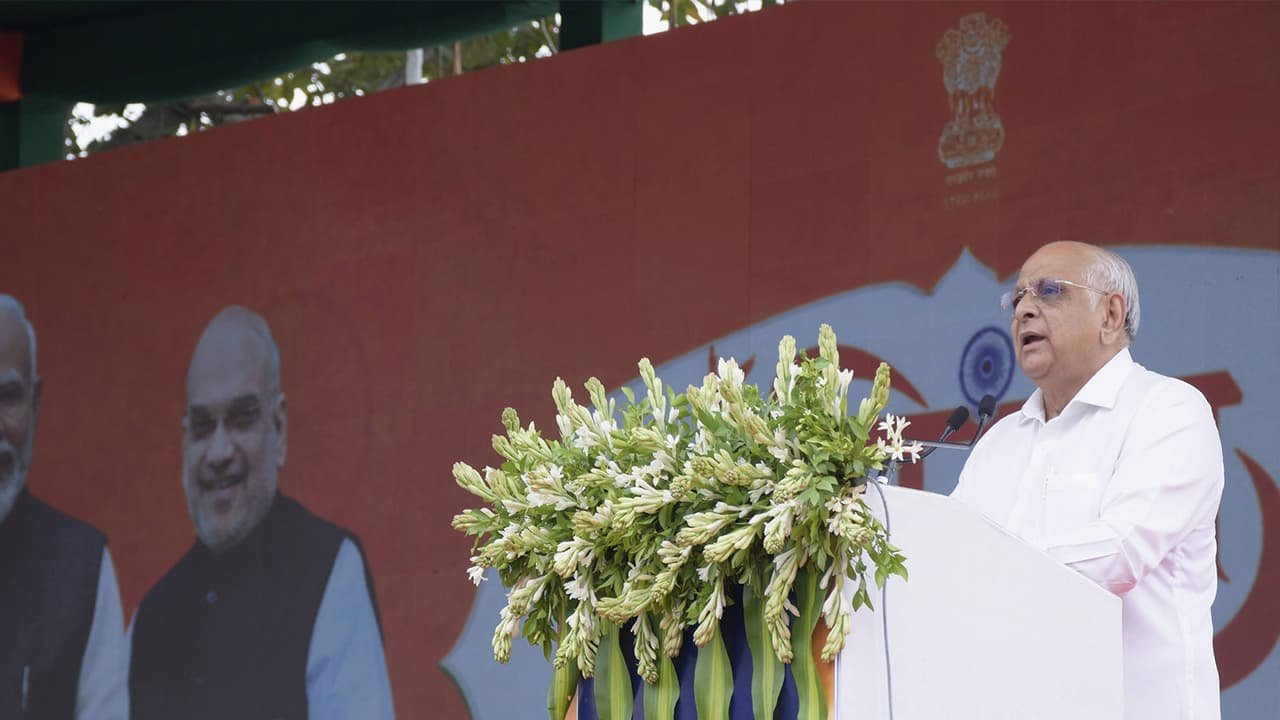
In a significant address delivered during Independence Day celebrations, Gujarat Chief Minister Bhupendra Patel underscored a transformative roadmap for the state, framing it as the cornerstone of a "Viksit Bharat" (Developed India). By bridging the gap between historical struggle and future aspirations, the Chief Minister articulated a vision that places socioeconomic empowerment at the heart of governance, with a specific emphasis on the pillars of youth, women, the impoverished, and the agricultural sector.
The concept of "Viksit Gujarat" is not merely an administrative goal; it serves as a strategic framework designed to align regional economic growth with the broader national target of achieving a developed economy by 2047. For the farming community, this vision signals a shift toward modernization, sustainability, and technological integration, ensuring that the agrarian backbone of the state remains resilient in an era of climate volatility and shifting global market demands.
The Agrarian Pillar: Modernizing the Farm Economy
Central to the Chief Minister’s address was the recognition that agricultural prosperity is non-negotiable for the state’s long-term economic health. Gujarat has long been a leader in cash crop production, including cotton, groundnuts, and horticultural exports. However, the path toward 2047 necessitates a departure from traditional farming paradigms toward precision agriculture and value-added processing.
The vision highlights the importance of empowering the "Annadata" (food providers) through systemic support. This includes enhancing access to irrigation infrastructure, promoting water-use efficiency through micro-irrigation technologies, and fostering a robust ecosystem for agro-processing. By encouraging farmers to move beyond raw commodity production toward processed goods, the state aims to increase the share of value captured by rural households, thereby stabilizing farm incomes against the cyclical nature of commodity price fluctuations.
Furthermore, the integration of digital tools—ranging from real-time climate data to soil health monitoring—is being positioned as a priority. By equipping farmers with the information necessary to make data-driven decisions, the state seeks to reduce input costs while simultaneously increasing per-acre yields, ensuring that agriculture remains a profitable and attractive profession for the next generation.
Inclusive Growth: Empowering the Rural Ecosystem
The Chief Minister’s call for a developed Gujarat emphasizes that growth must be inclusive to be sustainable. The strategy recognizes that the empowerment of women in agriculture is a critical catalyst for rural development. As the demographic profile of the farming sector evolves, initiatives aimed at upskilling women and providing them with greater access to credit and land resources are expected to become central to the state’s agricultural policy.
Beyond gender parity, the focus on the "poor and marginalized" within the rural landscape points toward a strengthening of social safety nets and the expansion of cooperative models. By revitalizing rural cooperatives and ensuring that the smallest landholders have access to the same technological advancements as large-scale operations, the government aims to bridge the rural-urban prosperity divide. This holistic approach is essential to ensure that the march toward 2047 does not leave behind the most vulnerable segments of the agrarian workforce, who are often the most exposed to environmental and economic shocks.
What This Means for Farmers
For the average farmer in Gujarat, the "Viksit Gujarat for Viksit Bharat" call-to-action translates into several key takeaways and potential shifts in the agricultural landscape:
- Focus on Value Addition: Farmers are encouraged to explore opportunities in the value-added supply chain. This means shifting from solely growing crops to investing in post-harvest processing, which can yield significantly higher margins.
- Technological Adoption: There is a clear mandate for the adoption of precision farming techniques. Farmers should look toward state-sponsored programs for drip irrigation and soil testing, which are becoming essential for maintaining productivity in water-stressed regions.
- Economic Resilience: By diversifying crops and participating in cooperative structures, farmers can better insulate themselves from market volatility. The state’s focus on the "poor and marginalized" suggests that future support schemes will likely prioritize collective bargaining and cooperative-led marketing.
- Youth Engagement: The emphasis on empowering youth suggests a future where agri-entrepreneurship—such as startups focused on logistics, cold chain storage, and digital market linkages—will receive greater institutional support. Young farmers should look for opportunities to integrate technology into traditional farming methods to optimize efficiency.
- Sustainable Practices: As the state aligns with national development goals, environmental stewardship will become increasingly linked to government incentives. Adopting sustainable, climate-resilient farming practices will likely be a prerequisite for accessing future subsidies and development grants.
Ultimately, the Chief Minister’s vision serves as a call for farmers to view themselves not just as traditional cultivators, but as vital participants in a sophisticated, technology-driven national economy. Success in this new era will require a proactive approach to learning, investment in infrastructure, and a readiness to adapt to a changing global agricultural landscape.