Understanding India's Unique River Geography: The Westward Flow
In the vast landscape of Indian geography, most major rivers follow a predictable pattern, flowing eastward to empty into the Bay of Bengal. However, there is one notable exception that defies this common drainage pattern. According to information provided by News 18, there is a major river in India that flows in the opposite direction, moving from east to west.
This distinct geographical feature sets this river apart from the majority of India's river systems. Understanding why this happens, and the significance attributed to this waterway, provides important insight into the physical and cultural landscape of the country.
The Path of the River
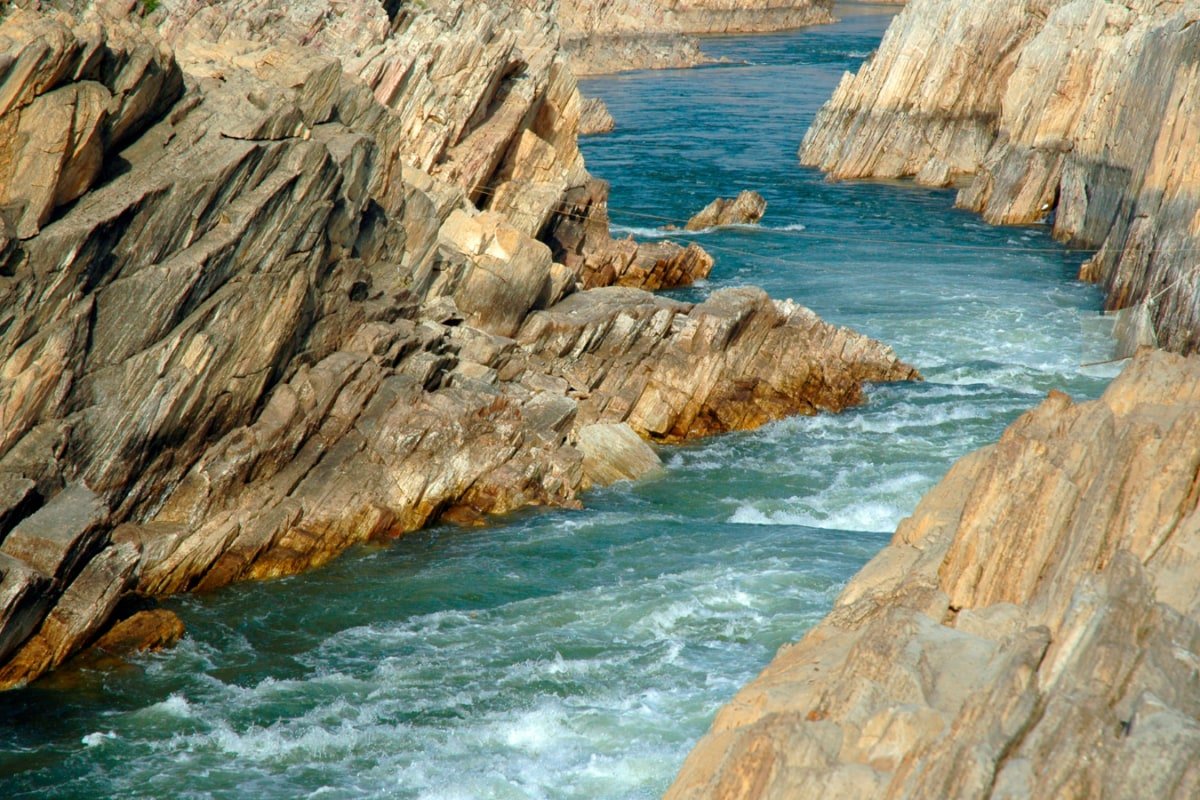
The river originates at Amarkantak. Unlike its counterparts that traverse the Indian landmass to reach the eastern coast, this river takes a different route. It flows westward, eventually reaching the Arabian Sea.
The report from News 18 highlights that this specific flow direction is a defining characteristic of the river. This unique course is influenced by the region's topography, which dictates the river's path from its source in the highlands down to the western coastline.
Geographic and Cultural Significance
Beyond its physical path, the river holds a place of prominence due to its geography, history, and religious significance. The source indicates that these three elements combine to make the river stand out among India's many water bodies.
- Geography: The river’s west-bound journey is its most prominent physical trait, distinguishing it from the typical eastward drainage of major Indian rivers.
- History: The river's historical context is tied to its location and its long-standing role in the regions it traverses.
- Religious Significance: The river is noted for its importance in cultural and religious traditions, which have developed alongside its course over time.
Why Direction Matters
In the study of Indian river systems, the direction of flow is often determined by the tilt of the land and the location of mountain ranges. Most of the peninsular plateau in India tilts toward the east, which is why rivers such as the Ganga, Godavari, and Krishna flow toward the Bay of Bengal. The river mentioned by News 18 is a rare example of a significant waterway that navigates a different path, likely due to the specific geological formation of the rift valley it follows.
By flowing into the Arabian Sea, this river contributes to a different set of ecological and hydrological dynamics compared to those that drain into the eastern side of the subcontinent.
For those interested in general knowledge or the physical geography of India, recognizing this river's unique westward flow is a key piece of information. It serves as a reminder of the diverse and complex terrain that shapes India's natural water resources.