Monsoon Deluge Paralyzes Gujarat: Infrastructure and Agricultural Landscapes Under Siege
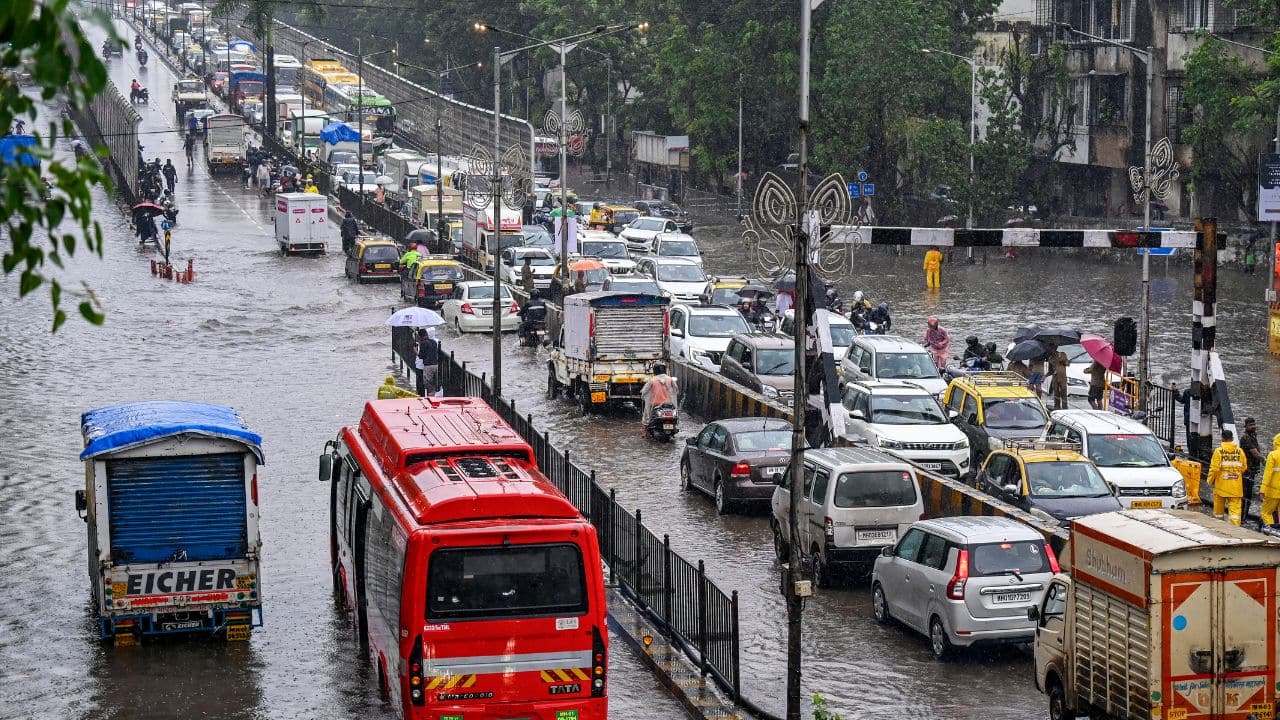
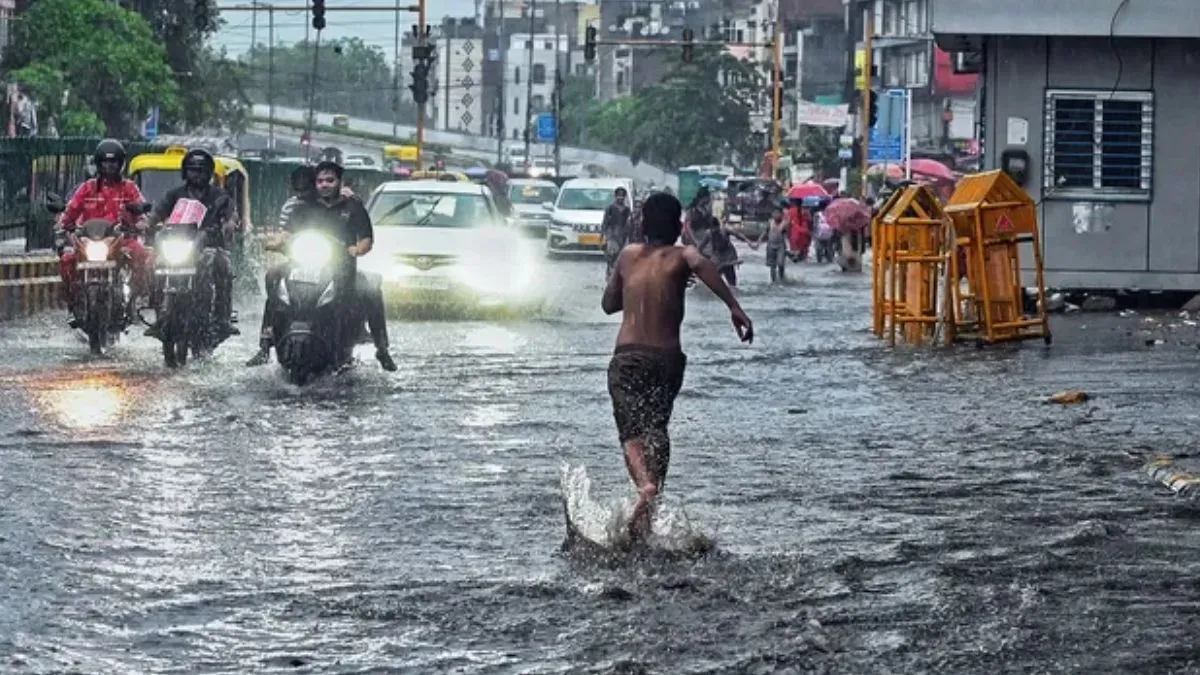
The state of Gujarat is currently grappling with a severe meteorological crisis as an intense monsoon system delivers record-breaking rainfall across its southern and central districts. The situation has reached a critical threshold, with urban infrastructure overwhelmed and rural communities increasingly isolated. Recent footage from Valsad—depicting over 50 vehicles submerged in a single parking lot—has become a grim symbol of the rapid, catastrophic flooding that has transformed bustling commercial hubs into inundated zones.
The impact of this weather event extends far beyond urban centers. Reports from Tapi district confirm at least one fatality, while emergency response teams have been forced to execute large-scale operations to rescue over 1,200 individuals trapped by rising floodwaters. As meteorological agencies maintain a red alert for the region, the combination of saturated soil, overflowing river basins, and persistent, high-intensity precipitation continues to pose a significant threat to life, property, and the regional agricultural economy.
Infrastructure Collapse and the Rural Crisis
The current flooding is not merely a consequence of volume but of intensity. In regions such as Navsari and Khergam, rainfall measurements have spiked to nine inches within a mere 12-hour window. This rate of precipitation exceeds the drainage capacity of both natural waterways and municipal infrastructure, leading to widespread flash flooding. In rural areas, the geography of the crisis is particularly stark. Villages have been effectively cut off as rural road networks disappear under water, preventing the movement of essential goods, medical supplies, and agricultural inputs.
The state’s emergency management apparatus is currently operating at peak capacity. With the monsoon system expected to track further into Rajasthan, the threat profile is expanding. The rapid accumulation of water in low-lying plains has left standing crops vulnerable to waterlogging, a condition that, if prolonged, can lead to severe root rot and nutrient leaching. For farmers in the path of this system, the immediate concern is not only the physical destruction of their fields but the long-term impact on soil structure and the viability of the current planting season.
The Cascade Effect: Logistics and Market Disruption
Beyond the immediate humanitarian concerns, the monsoon fury is causing significant logistical bottlenecks. Gujarat serves as a critical node in the supply chain for various agricultural commodities. When transport corridors are severed, the flow of perishable goods is halted, leading to market volatility and potential food waste. The submergence of vehicles and machinery in commercial hubs further exacerbates the economic strain, as farmers and logistics providers alike face the loss of critical assets necessary for post-monsoon recovery.
The regional economy, heavily reliant on the predictability of the monsoon, is now facing the harsh reality of climate variability. As cities drown and villages remain inaccessible, the focus of the state government has shifted from disaster response to assessing the potential for long-term agricultural losses. The persistent rain is delaying critical field operations, and in many instances, the flooding has washed away topsoil, potentially necessitating expensive land remediation efforts once the water recedes.
What This Means for Farmers
For the agricultural community in Gujarat and surrounding regions, this period of extreme weather demands a shift toward proactive risk management and urgent damage mitigation. Farmers should prioritize the following actions to minimize the impact of the ongoing deluge:
- Prioritize Drainage: Where possible, ensure that field drainage channels are clear of debris to prevent prolonged waterlogging. Standing water for more than 48 hours can prove fatal to many high-value crops.
- Asset Protection: Move critical farm machinery, stored seeds, and fertilizers to higher ground immediately. The rapid nature of these flash floods leaves little time for evacuation once the water begins to rise.
- Monitor for Pathogens: Post-flood environments are breeding grounds for fungal diseases and root pathogens. Once the water recedes, farmers should prepare for a comprehensive assessment of crop health and may need to consult with local agronomists regarding fungicide applications to prevent widespread blight.
- Document Losses: Maintain meticulous records of crop damage and destroyed infrastructure. Photographic evidence and detailed logs will be essential for insurance claims and potential state-sponsored disaster relief programs.
- Safety First: The primary priority remains personal safety. Avoid crossing flooded low-lying roads, as the force of moving water can easily displace heavy vehicles, and unseen road damage poses a life-threatening risk.
As the monsoon remains active, farmers are advised to stay tuned to local meteorological updates and follow the directives of district administration. The recovery process will be lengthy, but immediate vigilance can prevent minor field issues from escalating into total crop failure.