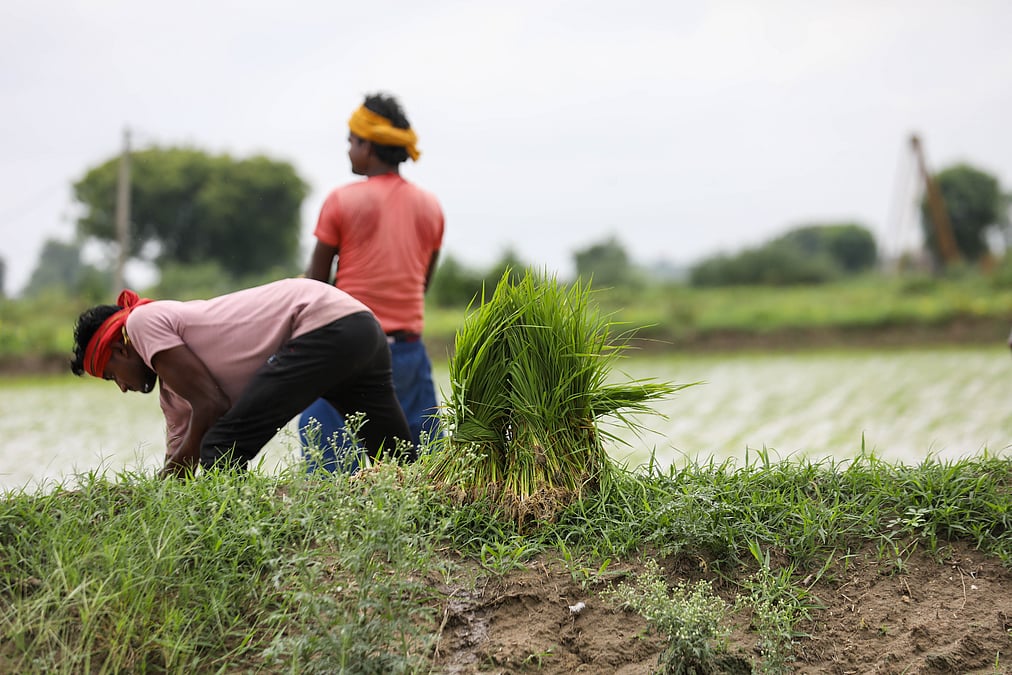
Monsoon Intensity Peaks: Widespread Heavy Rainfall Forecast Across Gujarat Through August 3
The India Meteorological Department (IMD) has issued a high-alert advisory for the state of Gujarat, predicting a period of intense meteorological activity that is expected to persist through August 3. A deep depression originating from the Bay of Bengal, coupled with highly active monsoon troughs, is currently funnelling significant moisture across the central and western corridors of the Indian subcontinent. This atmospheric convergence is set to bring heavy to very heavy rainfall to isolated regions across the state, prompting concerns regarding localized flooding, soil saturation, and potential disruptions to critical agricultural operations.
Meteorological models indicate that the system is currently tracking in a manner that favors consistent precipitation across both the Saurashtra and Kutch regions, as well as parts of mainland Gujarat. While the monsoon has already provided much-needed water for the ongoing Kharif season, the sustained intensity of these incoming weather systems risks moving beyond the threshold of "beneficial rainfall" into the realm of excessive accumulation. Regional authorities are closely monitoring water levels in major reservoirs and drainage basins as the state braces for several days of persistent, heavy downpours.
Understanding the Drivers: Atmospheric Dynamics and Regional Impact
The current weather pattern is defined by the interaction between a deep depression moving inland and the prevailing monsoon currents that remain anchored over the region. Unlike typical seasonal showers, which are often sporadic and convective in nature, the current system is characterized by broad-scale cloud cover and sustained wind speeds, which facilitate continuous, heavy precipitation. This structural setup increases the likelihood of high-intensity rainfall events that occur over a short duration, significantly increasing the risk of surface runoff.
Agricultural experts note that while Gujarat’s cropping cycles are inherently adapted to monsoon variability, the persistence of these systems through the first week of August can lead to critical challenges in field management. The geography of the state, ranging from the arid plains of Kutch to the fertile black soil belts of the central region, reacts differently to such events. In areas with high clay content, the rapid saturation of the topsoil can impede root respiration and increase the vulnerability of standing crops to fungal pathogens and waterlogging, particularly in fields where drainage infrastructure is insufficient.
Infrastructure and Field Management Concerns
As the state enters this high-alert period, the primary concern for agricultural stakeholders is the physical condition of the fields. Prolonged heavy rain often leads to the leaching of nutrients—specifically nitrogen—from the root zone, which can manifest as crop yellowing or stunted development in the weeks following the weather event. Furthermore, the combination of high humidity and standing water creates an environment conducive to the rapid spread of bacterial and fungal infections. Farmers are being advised to ensure that field drainage channels are clear of debris to prevent water stagnation, which is the leading cause of crop loss during extreme precipitation events.
Beyond the immediate impact on crops, the logistics of agricultural supply chains may face temporary bottlenecks. Rural connectivity, which is vital for the transport of perishable inputs and the movement of equipment, could be compromised if low-lying roads become waterlogged. The state’s agricultural extension services are currently emphasizing the importance of monitoring local weather updates and coordinating with district-level disaster management cells to mitigate risks to both human life and livestock.
What This Means for Farmers
For the farming community, the next several days require a proactive and cautious approach to field management. The following steps are recommended to safeguard agricultural assets:
- Prioritize Field Drainage: Ensure that all peripheral and internal drainage canals are unobstructed. Removing excess water immediately after heavy rainfall is the single most effective way to prevent root rot and soil-borne diseases.
- Delay Fertilizer Application: Postpone the application of nitrogenous fertilizers until the heavy rainfall period has subsided. Applying inputs during extreme rain leads to significant nutrient loss through runoff and leaching, resulting in wasted costs and environmental degradation.
- Monitor for Pest and Disease Pressure: Increased humidity levels often trigger outbreaks of pests and fungal infections. Scout fields regularly for early signs of disease and be prepared to implement protective measures, such as fungicides, once the weather conditions stabilize.
- Livestock Safety: Move livestock to elevated, dry ground and ensure they are protected from direct exposure to heavy winds and rain. Maintain a supply of dry fodder in a secure, moisture-proof location.
- Stay Informed: Rely strictly on official weather bulletins from the IMD and local agricultural universities. Avoid relying on unverified social media reports, and maintain communication with local agricultural cooperative offices for region-specific advisory services.
Ultimately, while the monsoon is essential for the success of Gujarat’s agricultural economy, the current forecast demands vigilance. By taking preventative measures now, farmers can minimize the potential damage and ensure that their crops are positioned to recover quickly once the current weather system passes.