Legislative Shift: Madhya Pradesh Moves Toward Uniform Civil Code Implementation
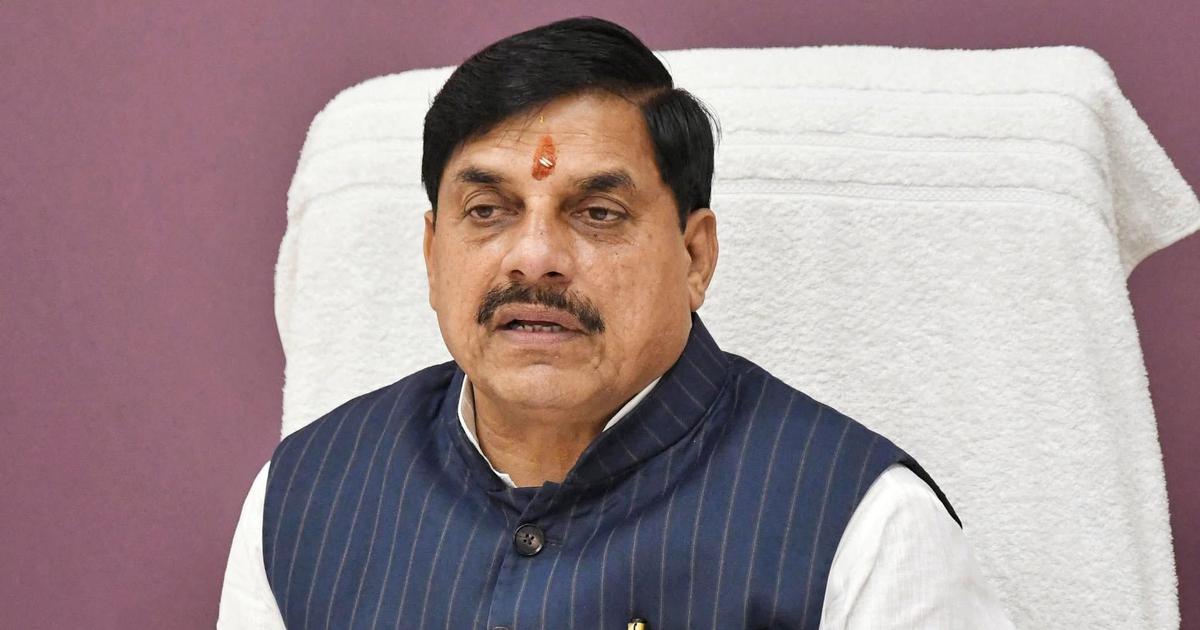
The political and social landscape of Madhya Pradesh is bracing for a significant transformation as Chief Minister Mohan Yadav has signaled a firm commitment to the implementation of a Uniform Civil Code (UCC) within the state. The proposed policy, which aims to standardize personal laws across all religious communities, has become a focal point of the current administration’s legislative agenda. Central to this discourse is the objective of establishing a singular legal framework governing marriage, divorce, and inheritance, effectively superseding existing religious-based personal laws.
Chief Minister Yadav’s recent public statements have underscored the ideological foundation of this push. By highlighting the necessity of parity in marital rights, the administration is positioning the UCC not merely as a legal adjustment, but as a mechanism for social harmonization. The government’s stance suggests that the legal recognition of marriage should be governed by a universal standard, ensuring that the same regulations apply to every citizen regardless of their faith or community background.
The Jurisprudential Rationale Behind the UCC Proposal
The debate surrounding the Uniform Civil Code is rooted in the constitutional directive principles that advocate for a common legal code across the nation. In the context of Madhya Pradesh, the government’s approach is framed through the lens of equality and administrative uniformity. By advocating for a "one-marriage" rule, the state is seeking to eliminate discrepancies that currently exist under various personal law boards, which permit differing practices regarding polygamy and marital contracts.
Legal analysts observing the development note that the transition to a UCC would require a comprehensive overhaul of current state-level documentation and registration processes. The government’s rhetoric suggests that the move is intended to simplify legal proceedings, reduce litigation related to matrimonial disputes, and ensure that the rights of women—particularly regarding maintenance and inheritance—are protected under a standardized, predictable legal umbrella. By emphasizing that the law should not differ based on an individual’s religious affiliation, the Chief Minister is signaling a move toward a secularized civil administration that treats all residents as equal stakeholders under the law.
Navigating the Socio-Political Implications
The implementation of a Uniform Civil Code in Madhya Pradesh is expected to have far-reaching implications for social cohesion and legal compliance. While proponents argue that it fosters national integration and gender justice, the proposal has prompted intense discussions regarding the preservation of cultural and religious autonomy. The government has indicated that the drafting process will involve careful consideration of how these new regulations will interface with traditional practices, though the primary objective remains the establishment of a singular, state-mandated standard for all matrimonial unions.
For the administration, the challenge lies in balancing the enforcement of these new rules with the cultural sensitivities of diverse communities. The discourse around "one marriage" is being framed by the Chief Minister as an issue of fundamental fairness, aimed at creating a unified identity for the state's residents. As the government moves closer to formalizing the legislative framework, observers are monitoring how the state will balance the enforcement of these civil rights with the existing constitutional protections granted to religious minorities.
What This Means for Farmers
While the Uniform Civil Code is primarily a social and legal matter, it carries profound indirect consequences for the agricultural community, particularly regarding land ownership and succession. In many rural areas of Madhya Pradesh, land holdings are the primary asset of a farming household. Current personal laws often lead to complex, fragmented inheritance patterns that can complicate land titles and impede agricultural productivity.
Clarity in Succession: A standardized civil code could streamline the process of land succession. By establishing a uniform rule for inheritance, farmers may find it easier to secure clear titles to their land, which is essential for obtaining institutional credit and government subsidies. Clearer succession laws reduce the incidence of prolonged family litigation, which often leaves land fallow during disputes.
Economic Stability: For farming families, the stability of the household structure is intrinsically linked to the economic viability of the farm. If marital laws are standardized, the legal rights of surviving spouses and children become more predictable. This certainty is vital for long-term farm planning, such as capital investments in irrigation, machinery, or crop diversification.
Actionable Advice: Farmers and rural landowners should stay informed as the legislative details of the UCC are unveiled. It is highly recommended that families review their current land records and ensure that all documentation—including marriage certificates and succession plans—is updated. Consulting with legal experts specializing in agricultural land law will be crucial once the new regulations are enacted to ensure that family assets are protected and that the transition to the new legal framework does not disrupt ongoing agricultural operations.