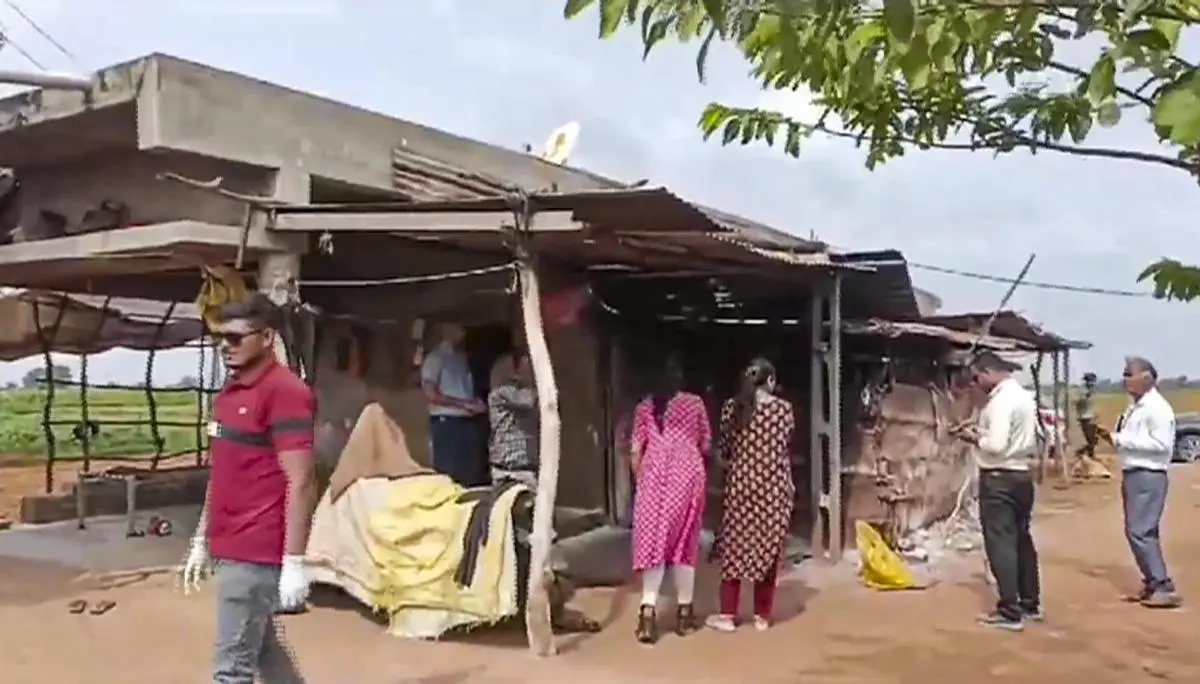
Understanding the Chandipura Virus: A Growing Threat to Rural Health
The Chandipura virus (CHPV), a member of the Rhabdoviridae family, has recently emerged as a significant public health concern in agricultural regions. Characterized by its rapid progression and high mortality rate, the virus represents a complex challenge for rural communities and livestock managers alike. As outbreaks continue to surface periodically, understanding the transmission dynamics, clinical presentation, and preventative strategies is essential for those living and working in endemic areas.
The virus is primarily zoonotic, meaning it circulates within animal populations before occasionally spilling over into humans. Because the virus is transmitted through vectors—specifically sandflies, mosquitoes, and certain species of ticks—its prevalence is often tied to environmental conditions that favor these populations. In agricultural settings, where human habitation often exists in close proximity to livestock and unmanaged vegetation, the risk of exposure is notably higher.
Transmission Dynamics and the Vulnerability of Pediatric Populations
The Chandipura virus spreads through the bite of infected vectors. Once a human is bitten, the virus enters the bloodstream and can cross the blood-brain barrier, leading to acute encephalitis—a severe inflammation of the brain. While the virus can affect individuals of various ages, children under the age of 15 are disproportionately affected and face the highest risk of severe outcomes.
Medical experts point to several biological and environmental factors that contribute to this pediatric vulnerability. Children in rural communities often spend more time playing outdoors, particularly during the dawn and dusk hours when vector activity is at its peak. Furthermore, their immune systems are often still developing, making them less capable of mounting a robust defense against the rapid neurological onslaught caused by the virus. The rapid progression from initial flu-like symptoms—such as high fever and headache—to seizures, coma, and multi-organ failure can occur within a matter of hours, leaving little window for medical intervention.
Clinical Recognition and the Need for Prompt Intervention
Recognizing the early warning signs of Chandipura virus is critical, as there is currently no specific antiviral treatment or widely available vaccine. The disease typically begins abruptly with a high-grade fever, often accompanied by vomiting, abdominal pain, and extreme lethargy. As the virus impacts the central nervous system, patients may exhibit altered mental states, convulsions, and persistent irritability.
The clinical management of CHPV is currently focused on supportive care. This involves managing intracranial pressure, controlling seizures, and ensuring adequate hydration and respiratory support in a clinical setting. Because the virus mimics other febrile illnesses, such as malaria or Japanese encephalitis, delayed diagnosis is a common obstacle. In rural areas where specialized healthcare facilities may be hours away, the speed at which a family recognizes these symptoms and seeks professional medical help is often the deciding factor in patient recovery.
What This Means for Farmers
For those involved in agriculture, the presence of the Chandipura virus necessitates a shift in how living and working environments are managed. While the virus is not transmitted directly from livestock to humans, the presence of cattle sheds and animal waste can create micro-habitats that attract sandflies and other vectors.
- Environmental Management: Reducing vector breeding sites is the most effective form of prevention. Farmers should focus on clearing dense vegetation around homes and animal shelters, filling in cracks in mud-walled structures where sandflies hide, and ensuring proper drainage to prevent stagnant water.
- Livestock Hygiene: Maintaining clean, well-ventilated livestock enclosures can discourage the accumulation of vectors. Keeping animal pens at a distance from sleeping areas can significantly reduce the proximity of potential vectors to the family.
- Personal Protection: Encouraging children to wear long-sleeved clothing during peak vector activity times (early morning and evening) and utilizing insecticide-treated bed nets can provide a crucial layer of physical defense.
- Early Warning Vigilance: Agricultural communities must prioritize community-based surveillance. If multiple cases of sudden, high fever with neurological symptoms appear in a village, it should be reported to local health authorities immediately. Rapid notification allows for vector control measures, such as indoor residual spraying, to be deployed before an outbreak escalates.
Ultimately, the Chandipura virus serves as a stark reminder of the interconnectedness of animal health, environmental quality, and human safety. By integrating simple vector-control practices into daily farm management, rural families can significantly mitigate the risks posed by this volatile pathogen.