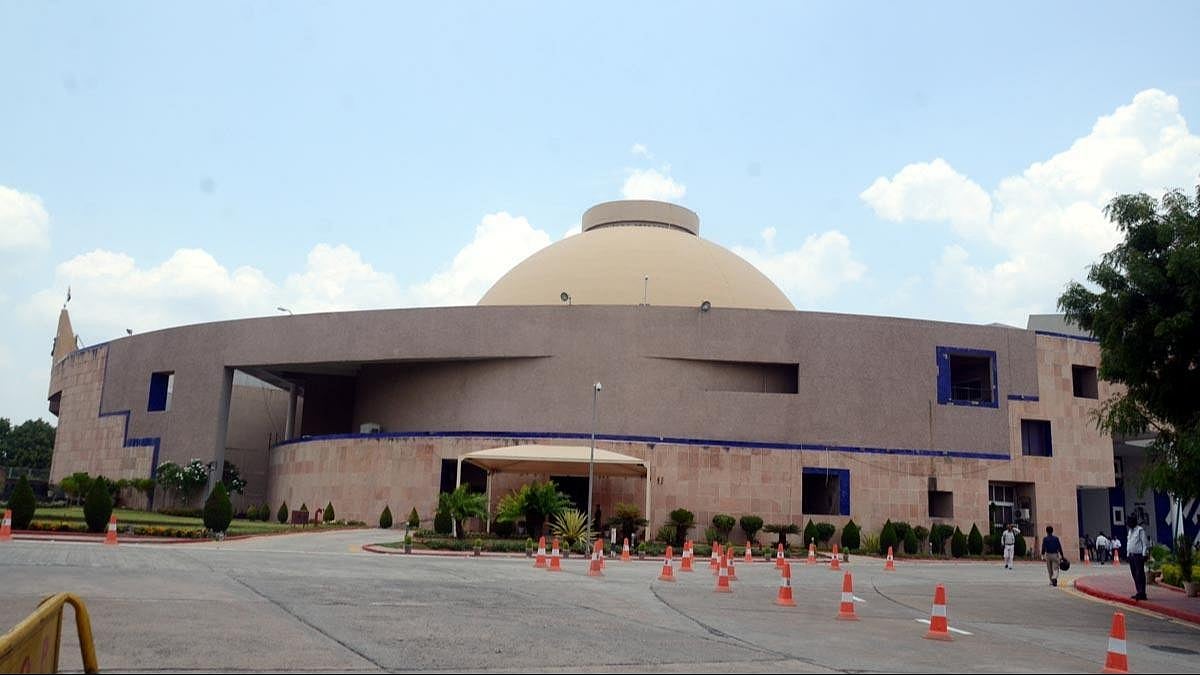
Legislative Momentum: Madhya Pradesh Assembly Tables 14 Bills Amidst Heated Debate
The Madhya Pradesh Legislative Assembly commenced its Monsoon Session this week with a significant surge in legislative activity, as the state government tabled 14 new Bills on the opening day. Among the most prominent pieces of legislation introduced are the Uniform Civil Code (UCC) Bill and the Fire and Emergency Services Bill. The flurry of activity signals a high-intensity session ahead, with the government signaling its intent to fast-track major policy reforms despite immediate pushback from the opposition.
The introduction of the UCC Bill, in particular, has become the focal point of the session. Following its formal tabling, the Assembly leadership announced that the Bill is slated for a comprehensive floor discussion on Tuesday. The rapid introduction of such a high-stakes legislative agenda underscores the government’s commitment to its current reformative trajectory, though the swiftness of the process has sparked intense procedural disagreements within the House.
Procedural Disputes and Parliamentary Tensions
The commencement of the session was marked by sharp contention between the ruling administration and the Congress opposition. Members of the opposition voiced strong objections, arguing that the 14 Bills were not included in the pre-circulated agenda for the first day. The lack of prior notice, according to opposition leaders, undermines the spirit of legislative transparency and denies members the necessary time to review the technical complexities of the proposed laws.
The Fire and Emergency Services Bill is expected to address critical gaps in urban infrastructure and rural safety standards. Given the increasing frequency of industrial and agricultural-related fires during seasonal transitions, the Bill aims to streamline emergency responses and mandate stricter safety protocols for commercial and public properties. Despite the technical importance of this legislation, the atmosphere in the Assembly remained charged, with the opposition demanding a more structured approach to the tabling of such far-reaching Bills.
Strategic Legislative Priorities
While the UCC dominates the headlines, the legislative package as a whole suggests a broader effort to modernize state governance and regulatory frameworks. The government has maintained that the introduction of these Bills is consistent with its overarching policy goals, asserting that the legislative process remains within the bounds of parliamentary rules. By pushing for a discussion on the UCC within 48 hours of its introduction, the administration is clearly aiming to maintain legislative momentum, ensuring that key promises are translated into law before the session concludes.
As the Monsoon Session progresses, observers are closely monitoring how these Bills will impact the state’s regulatory landscape. The Fire and Emergency Services Bill, in particular, is expected to have implications for land use, industrial development, and rural safety oversight. The coming days of the session will likely involve rigorous debates as the government attempts to navigate the procedural hurdles raised by the opposition while seeking to secure the passage of its core legislative agenda.
What This Means for Farmers
For the agricultural community in Madhya Pradesh, the introduction of these Bills—specifically the Fire and Emergency Services legislation—carries tangible implications. Farmers should be aware of the following potential impacts:
- Enhanced Safety Standards: The Fire and Emergency Services Bill may introduce new mandates regarding the storage of flammable agricultural inputs, such as fertilizers, fuel, and mechanized equipment. Farmers operating large-scale storage facilities or processing units should prepare for potential updates to safety certification requirements.
- Infrastructure Compliance: Legislative updates regarding fire safety often trickle down into rural planning and infrastructure development. Future farm-based enterprises or agro-processing units may need to align with revised state-wide fire safety codes to remain eligible for state subsidies or insurance coverage.
- Administrative Delays: With the legislative calendar dominated by high-profile social and political reforms, there is a possibility that time allocated for purely agricultural or irrigation-related policy discussions may be compressed. Farmers are advised to stay informed through local district agricultural offices to ensure they are aware of any secondary regulatory changes that may arise during the session.
- Long-term Economic Policy: While the UCC is a social and civil legal framework, shifts in state-level legislative focus often reflect broader administrative priorities. Farmers should monitor how these policies affect land holding documentation and inheritance laws, which are vital components of long-term agricultural land management and intergenerational farm succession.
Ultimately, the current session represents a period of significant regulatory flux. Agricultural stakeholders are encouraged to engage with local representatives to ensure that the practical needs of the farming sector are considered as these new, wide-ranging Bills move toward enactment.