IMD Issues Wide-Scale Rainfall Alert: Heavy Showers and Thunderstorms Expected Across North, East, and Central India
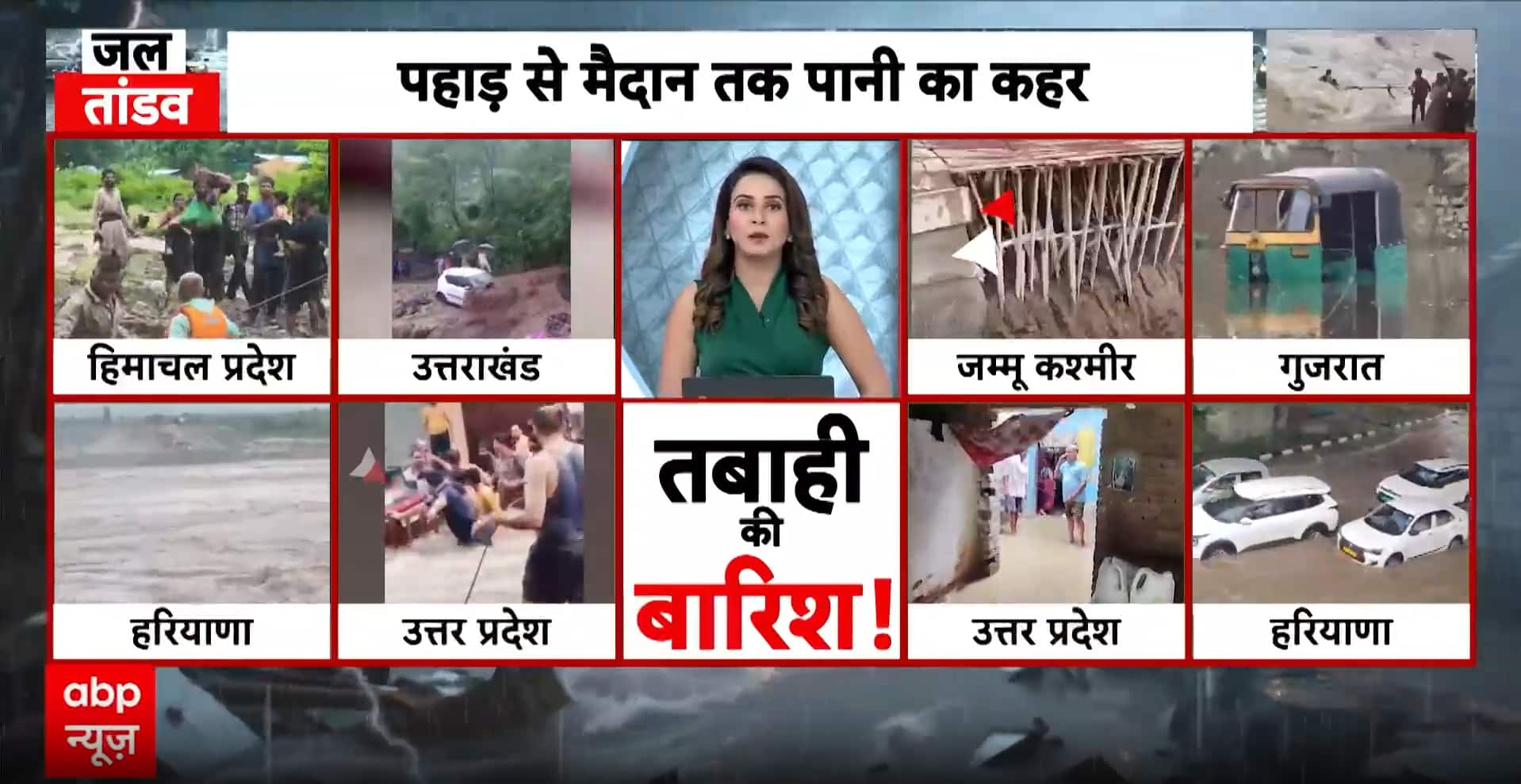
The India Meteorological Department (IMD) has issued a comprehensive weather alert for Monday, signaling a significant shift in atmospheric conditions across the subcontinent. Meteorological data indicates that multiple regions, spanning north, east, and central India, are bracing for heavy precipitation accompanied by active thunderstorm activity. This widespread weather event is expected to bring much-needed relief to regions grappling with high temperatures, though it also poses potential challenges for agricultural operations and infrastructure in the affected belts.
The latest satellite imagery and synoptic charts suggest that a convergence of moisture-laden winds is driving these weather patterns. While the monsoon-like intensity is concentrated in specific corridors, the broader forecast points to a nationwide trend of unsettled weather. As the IMD continues to monitor the progression of these systems, local authorities are urging residents and stakeholders in the agricultural sector to maintain heightened vigilance against potential localized flooding, waterlogging, and the risks associated with sudden electrical storms.
Regional Breakdown: From Heavy Rains to Persistent Heat
The distribution of rainfall is expected to be highly variable, reflecting the complex topography and climatic zones of the country. In northeast India, the monsoon-driven moisture remains robust, with the IMD predicting widespread showers that could escalate into heavy downpours. These regions, which are already prone to high levels of seasonal precipitation, may face risks of increased runoff and soil saturation, necessitating careful management of irrigation and drainage systems.
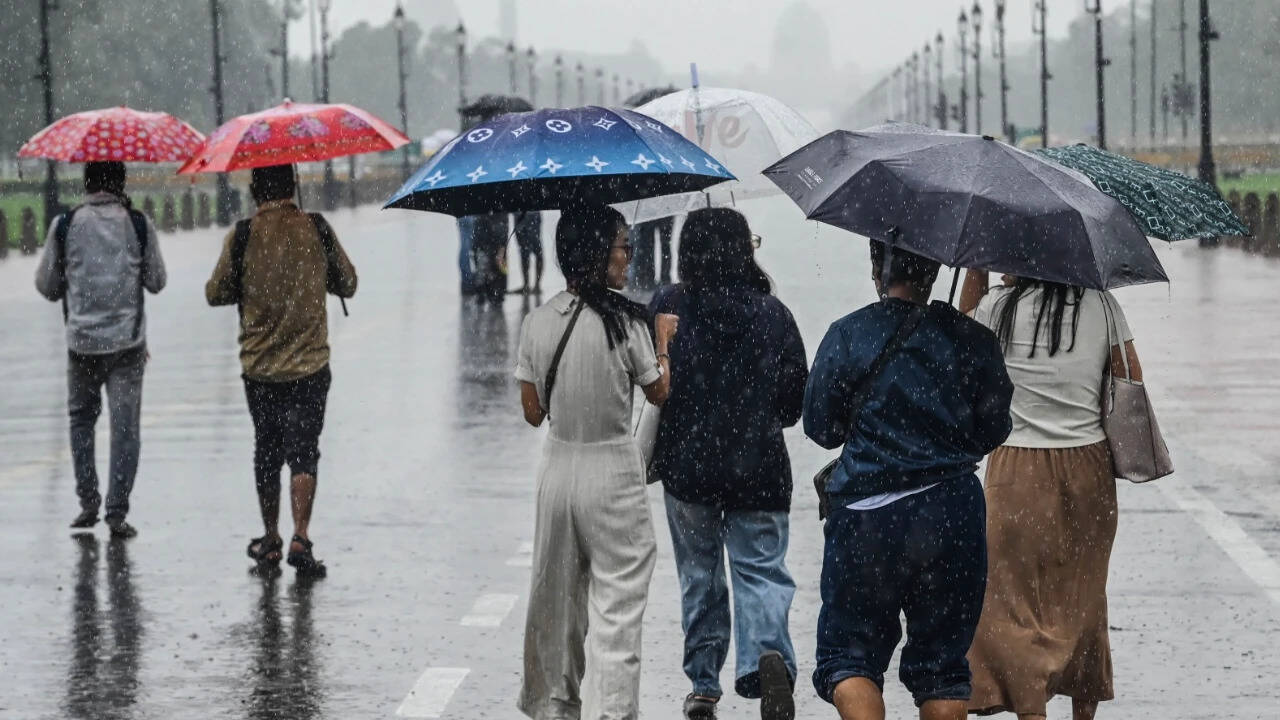
Conversely, in the northern and central plains, the arrival of thunderstorms marks a transition in the pre-monsoon or seasonal weather cycle. These storms are often characterized by high-velocity winds and intense bursts of rain, which can be erratic in their spatial distribution. Meanwhile, the Delhi-NCR region is expected to see lighter, intermittent showers. While these light rains may provide a modest decrease in ambient temperature, they are unlikely to fully offset the prevailing humidity. In contrast, coastal Andhra Pradesh continues to remain an outlier, with the IMD warning that heatwave conditions will persist. This stark contrast underscores the vast climatic diversity currently influencing the Indian landscape, requiring localized responses from farming communities.
Managing Agricultural Risks During Unsettled Weather
The volatility of the current forecast presents a dual-edged sword for the agricultural community. While rainfall is essential for groundwater recharge and crop development, sudden, high-intensity precipitation during sensitive growth stages can lead to crop lodging, fruit drop, and post-harvest losses. Furthermore, the accompanying thunderstorms pose a risk of physical damage to standing crops and infrastructure, including polyhouses and irrigation equipment.
For regions expecting heavy rainfall, the primary concern is field drainage. Farmers are advised to ensure that irrigation channels are clear of debris to prevent waterlogging, which can lead to root rot and nutrient leaching. In areas experiencing heatwave conditions, the focus remains on moisture retention and protecting livestock from heat stress. Providing adequate shade and ensuring a consistent supply of cool water is critical during these high-temperature windows, as heat stress can significantly impair milk yield and animal health.
What This Means for Farmers
The IMD’s forecast serves as a critical decision-making tool for the coming 48 hours. Farmers should prioritize the following actions to mitigate risk and optimize productivity:
- Prioritize Harvesting and Storage: If crops are currently at maturity, accelerate harvesting where possible to avoid potential damage from heavy rain and high winds. Ensure that harvested produce is stored in elevated, moisture-proof structures.
- Implement Drainage Protocols: Before the onset of heavy rain, inspect fields for low-lying areas where water might accumulate. Creating temporary drainage furrows can prevent the saturation of sensitive root zones.
- Monitor for Pest and Disease Outbreaks: Increased humidity following rainfall often triggers a surge in fungal infections and pest activity. Farmers should be prepared to scout fields regularly and apply prophylactic measures if necessary, once weather conditions permit safe field entry.
- Protect Livestock and Infrastructure: Secure loose structures, such as sheds or equipment covers, against high-velocity thunderstorm winds. In heatwave-affected regions, adjust feeding schedules to cooler parts of the day and ensure that livestock housing is well-ventilated.
- Stay Informed: Weather conditions can shift rapidly. Farmers are encouraged to utilize mobile-based weather alerts and stay in contact with local agricultural extension offices for real-time updates specific to their district.
By remaining proactive and adaptive to these shifting meteorological patterns, farmers can better safeguard their investments and ensure that their operations remain resilient against the unpredictable nature of seasonal weather cycles.