Political Firestorm Erupts as Rahul Gandhi Challenges Appointment of Pralhad Joshi to Education Ministry
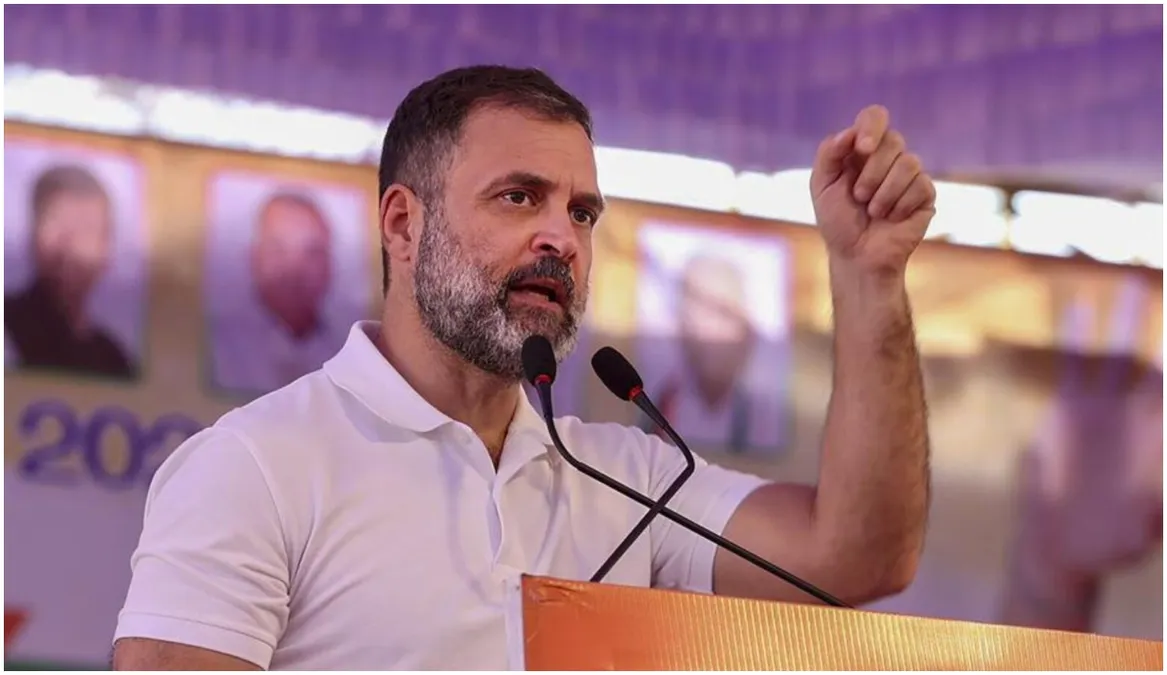
The appointment of Pralhad Joshi to the position of interim Education Minister has ignited a fierce political confrontation, with Leader of the Opposition Rahul Gandhi launching a scathing critique of the move. During a heated session in the Lok Sabha, Gandhi characterized the appointment as a profound insult to both the national education system and the dignity of women, citing Joshi’s past public stance on the release of convicted criminals in the Bilkis Bano case.
The controversy centers on allegations that Joshi previously defended the premature release of individuals convicted for gangrape and murder during the 2002 communal violence. Gandhi’s remarks, which described the appointment as morally untenable, have sent shockwaves through the parliamentary floor, momentarily halting proceedings and highlighting the deep-seated ideological fractures currently defining the national political landscape. This development has transformed the Ministry of Education—a department typically focused on curriculum reform, literacy rates, and academic infrastructure—into the epicenter of a high-stakes ethical debate regarding political accountability and the moral character of executive leadership.
The Intersection of Moral Ethics and Ministerial Appointments
At the heart of the opposition's argument is the contention that the education sector requires leaders who embody the highest standards of social justice and integrity. By appointing a figure who has been accused of sympathizing with convicted perpetrators of violence against women, critics argue that the administration is signaling a disregard for the safety and rights of women in India. For the opposition, the Ministry of Education is not merely an administrative body; it is the primary institution responsible for shaping the moral and intellectual development of the country's youth.
Rahul Gandhi’s forceful rhetoric in the Lok Sabha underscored a broader concern that such appointments undermine public trust in democratic institutions. The debate has moved beyond mere partisan bickering, touching upon the symbolic weight of the Education Minister’s office. When an appointee is perceived as someone who has defended controversial legal remissions for heinous crimes, the ripple effect reaches into classrooms, student organizations, and civil society groups that demand a more stringent moral benchmark for those in positions of power.
Parliamentary Disruption and the Escalation of Rhetoric
The intensity of the criticism led to a significant ruckus within the Lok Sabha, reflecting the volatile nature of the current legislative session. The opposition’s walkout and subsequent protests were intended to force a debate on the criteria used for high-level ministerial vetting. By framing the appointment as a "filthy" transgression against societal values, Gandhi has effectively linked the government’s internal personnel decisions to the broader national discourse on gender-based violence and judicial impartiality.
Government supporters have countered these claims by emphasizing the administrative prerogative of the Prime Minister to allocate portfolios. They argue that the focus should remain on the functional performance of the Ministry and the ongoing implementation of national education policies, rather than on dredging up past political statements. However, the intensity of the pushback suggests that the controversy will not be easily sidelined, as the opposition continues to demand accountability regarding the moral fitness of those overseeing the nation’s future generations.
What This Means for Farmers
While the current controversy is centered on political ethics and social justice rather than agricultural policy, the implications for the farming community remain significant in terms of long-term governance and legislative focus. Farmers across the country, who rely heavily on state and central government cooperation for rural development and education, should consider the following impacts:
- Prioritization of Legislative Time: When parliamentary sessions are consumed by intense political standoffs, the legislative window for discussing urgent agricultural reforms, budgetary allocations for irrigation, or crop insurance schemes often shrinks. Farmers may witness a stagnation in the passage of bills directly impacting rural livelihoods as political parties prioritize ideological battles over substantive policy drafting.
- Impact on Rural Education Infrastructure: The Ministry of Education oversees the implementation of programs that directly affect rural schools, including agricultural vocational training and digital literacy initiatives. Frequent leadership transitions or intense controversies surrounding the Ministry can lead to administrative delays, potentially slowing down the rollout of education projects intended to upskill the next generation of rural youth.
- The Need for Accountability: The current discourse highlights the growing demand for transparency in how public officeholders are vetted. For agricultural unions and farmer-led organizations, this underscores the importance of maintaining consistent pressure on all ministries—not just the Ministry of Agriculture—to ensure that government officials remain responsive to the moral and social needs of the rural population.
- Long-term Political Stability: A volatile political climate often creates uncertainty in market sentiment. Farmers should be aware that persistent institutional instability can sometimes lead to policy inertia, making it essential for agricultural stakeholders to remain engaged with local representatives to ensure that rural development remains a priority regardless of the political friction occurring in the capital.