Political Shift Sparks Nationwide Reaction Following Education Minister’s Resignation
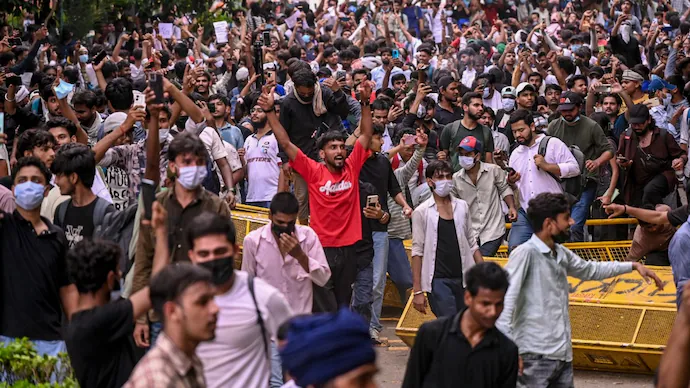
The landscape of national governance and youth engagement shifted dramatically this week as the Education Minister, Dharmendra Pradhan, officially submitted his resignation on the afternoon of July 25. This pivotal development marks the culmination of weeks of intensifying pressure from political opposition groups and a sprawling, grassroots movement led by students and young professionals across the country. The resignation, long sought by the Cockroach Janata Party and various civil society organizations, has triggered widespread public demonstrations and spontaneous celebrations in urban centers and rural hubs alike.
For weeks, the capital’s protest epicenter at Jantar Mantar served as the focal point for a movement defined by its demographic breadth and organizational tenacity. The agitation, which drew thousands of participants, centered on systemic concerns regarding the integrity of national examination processes, the transparency of educational policy, and the broader economic prospects for the nation’s youth. By securing a high-level ministerial departure, protesters have effectively forced a re-evaluation of the current administration’s approach to public service accountability.
The Intersection of Policy, Governance, and Public Trust
The departure of a senior cabinet minister in the wake of public agitation underscores a critical juncture in the relationship between government institutions and the electorate. In agricultural and rural-focused sectors, the stability of educational infrastructure is inextricably linked to the socio-economic mobility of the next generation of farmers and rural entrepreneurs. When public confidence in the ministries managing human capital and vocational training erodes, the ripple effects are felt across the entire economy, particularly in the regions that rely on state-supported extension services and educational grants.
Observers note that the intensity of the protests reflects a deeper frustration with the current pace of institutional reform. The demands placed upon the government were not merely about the resignation of an individual, but rather a call for a comprehensive audit of the systems that govern professional accreditation and student opportunity. As the political machinery begins the process of transition, the focus now turns to whether this change in leadership will translate into substantive policy adjustments or if it will remain a symbolic gesture in a broader, ongoing political struggle.
What This Means for Farmers
While the immediate focus of these events remains centered on the education sector, the agricultural community must monitor these political developments closely for several key reasons:
- Resource Allocation and Budgeting: Ministerial transitions often result in a temporary freeze or realignment of departmental budgets. Farmers relying on state-sponsored agricultural education, vocational training programs, or research grants should prepare for potential administrative delays in the coming quarter.
- Policy Continuity in Rural Development: The resignation signals a potential shift in the government’s priorities. Agricultural stakeholders should engage with local representatives to ensure that rural education and the development of agricultural technology initiatives remain high on the agenda of the incoming leadership.
- Market Stability and Social Cohesion: Prolonged periods of civil unrest and political volatility can disrupt supply chains and local logistics. Farmers operating near major urban centers should remain vigilant regarding transport disruptions and ensure that their market access remains protected during periods of heightened public demonstration.
- Long-term Human Capital: The primary drivers of this movement—the youth—are the future stewards of the nation’s agricultural land. A more transparent and functional education system is essential for equipping the next generation with the digital literacy, agronomic science, and business management skills required to modernize farming practices and increase rural profitability.
As the nation transitions into this new chapter, the agricultural sector remains a vital barometer of national stability. Producers are advised to maintain focus on their seasonal operations while staying informed on how these shifting political currents may influence the legislative environment governing land use, rural subsidies, and the future of agricultural labor.