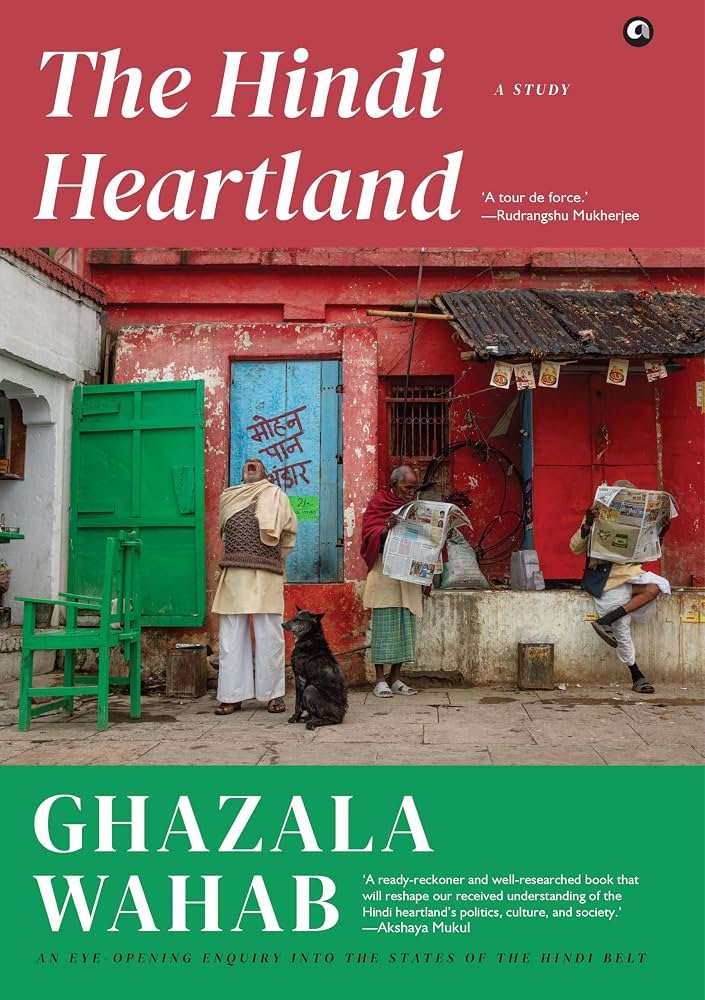
Understanding the Hindi Heartland: A Comprehensive Socio-Economic Analysis
The agricultural and economic trajectory of India is inextricably linked to the vast, complex geography of the Hindi heartland. In her latest work, The Hindi Heartland, author Ghazala Wahab provides a meticulous examination of the region that serves as the nation’s primary breadbasket and demographic engine. As reviewed by Sanjeev Chopra, the book navigates the intricate relationship between traditional agrarian structures, evolving social dynamics, and the persistent challenges of economic modernization in India’s most populous states.
For those involved in the agricultural sector, the book serves as a vital resource for understanding the regional nuances that dictate policy, land use, and market behaviors. By moving beyond superficial generalizations, the text offers a grounded look at how history, culture, and geography converge to shape the lives of millions of farmers and rural stakeholders across the Gangetic plains and beyond.
Agrarian Roots and the Challenge of Modernization
At the core of the Hindi heartland’s economic identity is its heavy reliance on primary sector production. The book highlights the historical evolution of land tenure systems and the resulting fragmentation of holdings that continue to define the current agricultural landscape. Unlike regions with larger, corporate-style farming operations, the heartland is characterized by a high density of smallholder farmers who face significant hurdles in adopting capital-intensive technologies.
Wahab’s research underscores the tension between traditional farming practices and the push for industrial-scale efficiency. The narrative explores how the socio-political environment—often influenced by localized power structures—affects the distribution of resources such as irrigation, fertilizers, and credit. For the agricultural observer, this is a critical reminder that productivity in the region is not merely a matter of agronomic science, but is deeply embedded in the social fabric. The book suggests that sustainable agricultural progress requires a nuanced understanding of these local power dynamics, rather than a top-down approach that ignores the specific realities of the agrarian community.
Regional Identity and Economic Resilience
A significant portion of the analysis is dedicated to the unique identity of the Hindi heartland. As someone deeply rooted in the culture of Agra, Wahab brings an authentic perspective to the discussion of how regional identity influences economic decision-making. The book argues that the heartland is not a monolith; rather, it is a mosaic of distinct cultural identities that respond differently to market fluctuations and government interventions.
The text examines how migration, urbanization, and the changing aspirations of the rural youth are altering the labor landscape of the region. As younger generations seek opportunities outside of traditional agriculture, the heartland faces a transition period that could lead to labor shortages or, conversely, a necessary shift toward mechanization and labor-efficient farming models. By documenting these shifts, the book provides a roadmap for stakeholders to anticipate future supply chain disruptions and shifts in consumer demand within the domestic market.
What This Means for Farmers
For the farming community, the insights provided in The Hindi Heartland carry several practical and economic implications:
- Adaptive Resource Management: Farmers must recognize that regional policy is often reactive to the complex socio-political climate of the heartland. Staying informed on state-level policy shifts is crucial for securing subsidies and accessing government-backed credit programs.
- The Shift Toward Mechanization: As the demographic profile of rural areas changes, manual labor will likely become more expensive and less available. Investing in small-scale, affordable mechanization is no longer a luxury but a strategic necessity to maintain yield stability.
- Market Connectivity: The book highlights the need for better integration between the heartland’s producers and national markets. Farmers should look to leverage digital platforms and cooperative models to bypass traditional intermediaries, thereby securing a larger share of the final consumer price.
- Focus on Resilience: Given the regional dependence on erratic climate patterns and groundwater levels, farmers are encouraged to prioritize soil health and water conservation techniques. These practices not only serve as a hedge against environmental risk but also align with the growing national emphasis on sustainable agriculture.
Ultimately, The Hindi Heartland acts as a vital lens through which to view the future of Indian agriculture. By acknowledging the interplay of history, culture, and economics, stakeholders can better navigate the complexities of this critical region, ensuring long-term resilience and productivity in an ever-changing global economy.