Surat Navigates Recovery and Resurgence Amidst Seasonal Volatility
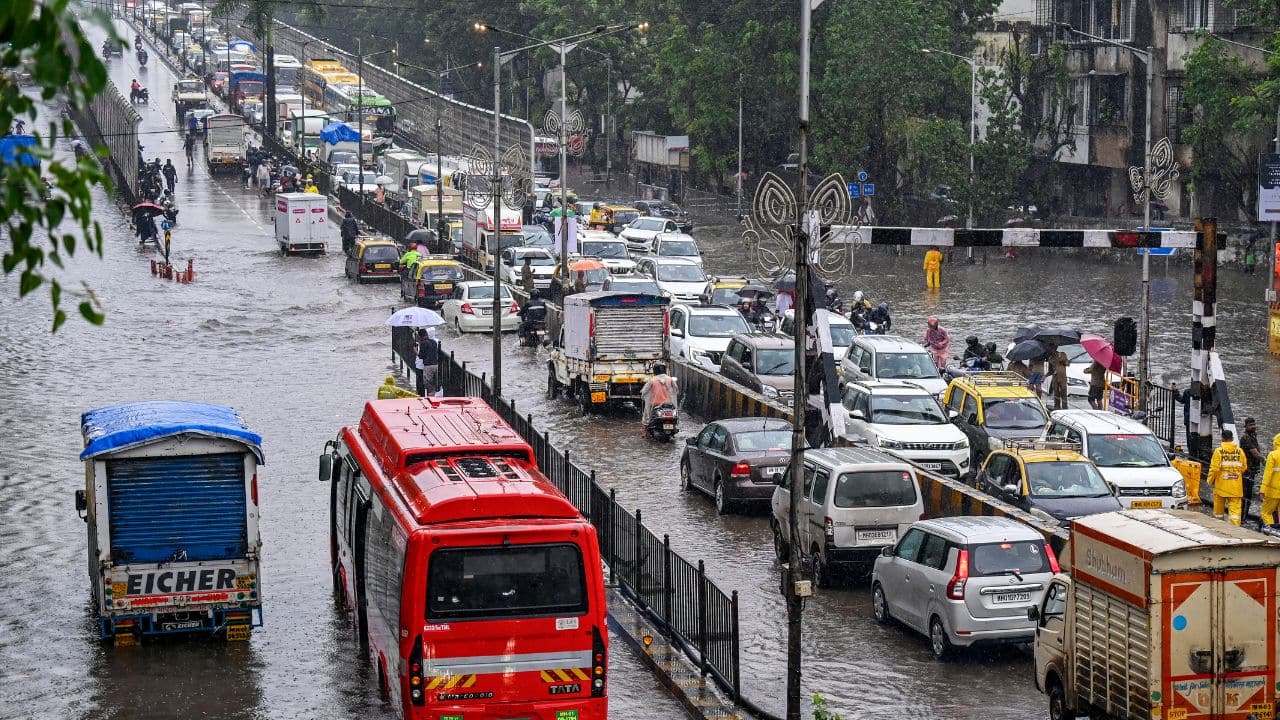
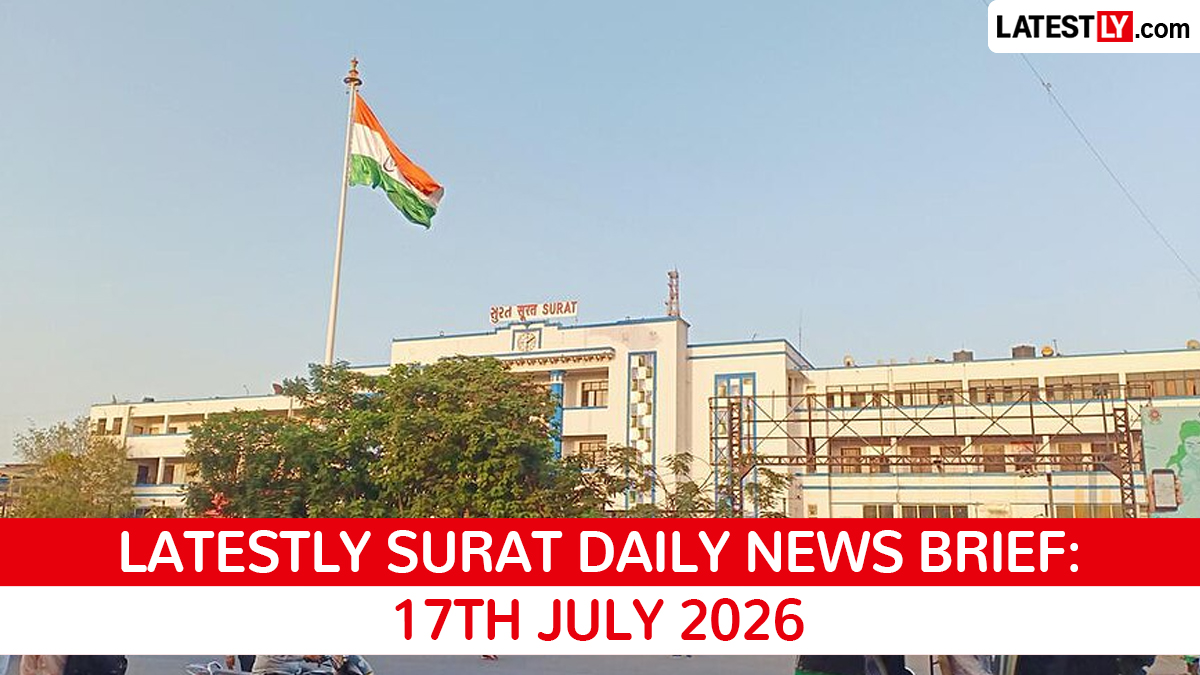
The city of Surat, a vital economic engine for Gujarat, is currently navigating a complex landscape of recovery and renewed activity. As of July 17, 2026, the region is balancing the immediate relief efforts following recent severe weather events with the stabilization of local security and the welcome return of monsoon rains. The dual challenge of managing post-flood logistics while maintaining industrial momentum has become the primary focus for both municipal authorities and the local business community.
Monsoon Resurgence and Agricultural Implications
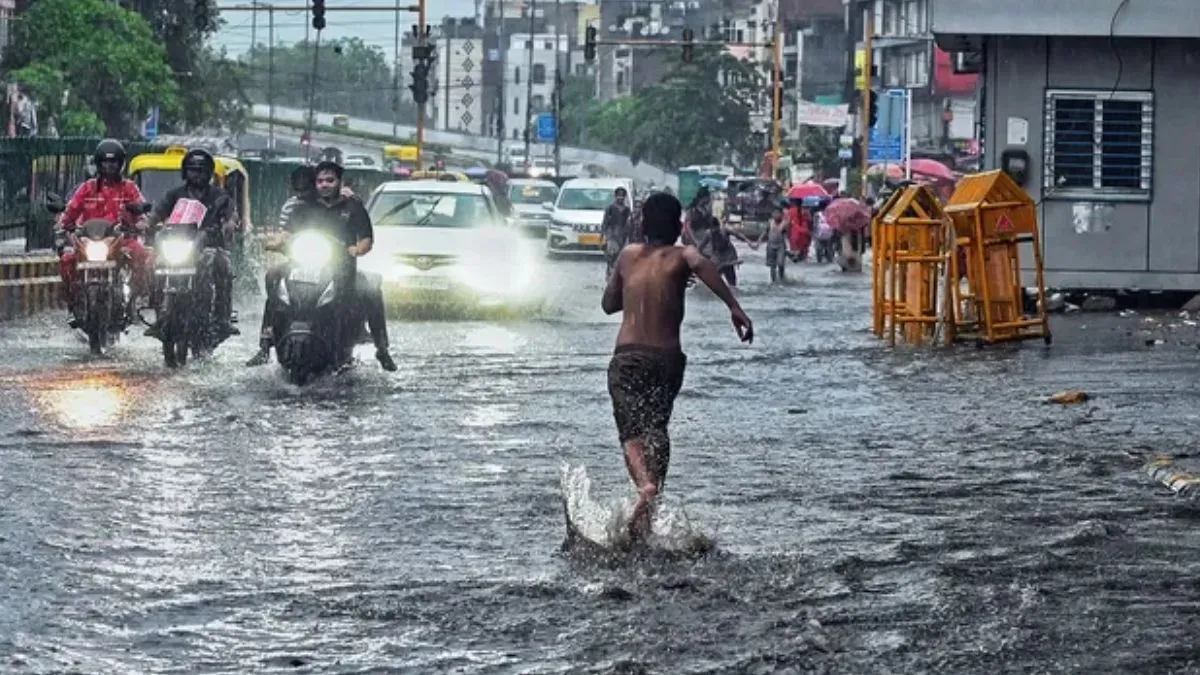
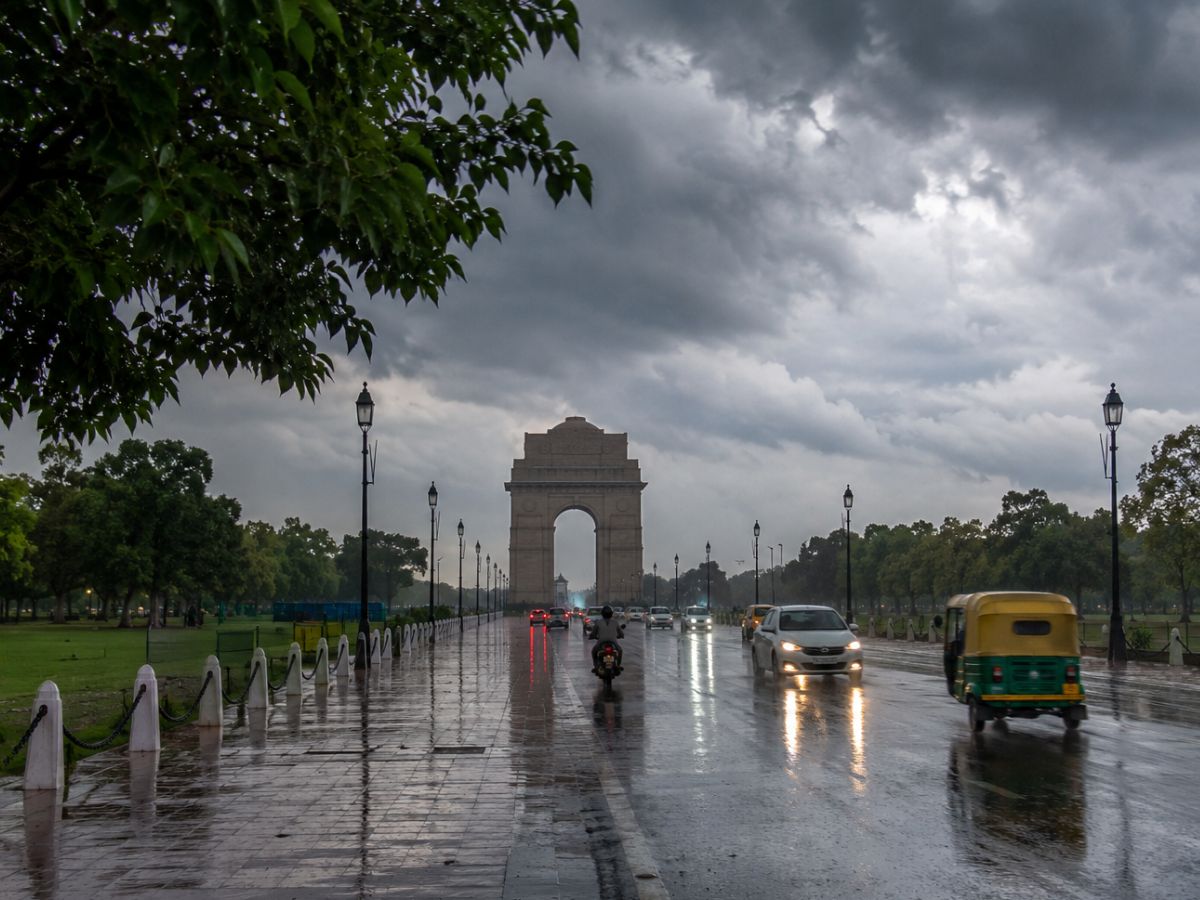
After a brief period of atmospheric instability, the monsoon has made a definitive return to South Gujarat, bringing much-needed precipitation to the region. For the agricultural belt surrounding Surat, this shift is critical. While the recent flooding posed significant risks to standing crops and soil integrity, the resumption of steady, moderate rainfall is expected to recharge local irrigation reservoirs and groundwater tables, which were depleted during the preceding dry spell.
Agronomists are currently monitoring the impact of the recent inundation on the kharif crop cycle. Excess soil moisture can lead to root rot and nutrient leaching, necessitating careful field management in the coming weeks. Farmers are being advised to prioritize field drainage where possible and to monitor for potential pest outbreaks that often follow high-humidity, post-flood conditions. The return of the rains, however, provides a window for late-stage planting and ensures that the regional water security remains intact for the remainder of the growing season.
Security Concerns and Infrastructure Stability
Beyond the agricultural sphere, Surat has seen a stabilization in its social and economic environment following a period of intense public anxiety. The recent resolution of a high-profile kidnapping case—involving a prominent local diamond industry figure—has brought a sense of relief to the city’s business district. The safe release of the industrialist, following the settlement of a ransom demand, has sparked broader discussions regarding security protocols for high-net-worth individuals within the trade sectors.
Simultaneously, the city's infrastructure has been under scrutiny due to unusual operational incidents at the Surat Airport. Authorities are currently investigating a series of disruptions that have impacted flight schedules and ground operations during the recent weather events. These incidents, ranging from technical glitches to visibility challenges caused by heavy cloud cover, have prompted a review of airport safety protocols. Officials are working to ensure that the city’s primary transit hub remains resilient against the dual pressures of seasonal weather and increasing passenger traffic.
What This Means for Farmers
For the farming community, the current situation presents both immediate challenges and long-term opportunities. The following points summarize the practical impacts for those managing agricultural operations in the Surat periphery:
- Soil Health Management: Following the recent flooding, soil aeration is paramount. Farmers should avoid heavy machinery traffic on waterlogged fields to prevent soil compaction, which can impede root development for the rest of the season.
- Disease Prevention: Increased moisture levels create a breeding ground for fungal pathogens. Implementing preventative fungicide sprays and ensuring proper spacing between crops can mitigate the risk of widespread infection.
- Water Resource Optimization: While the return of the monsoon is positive, farmers should continue to utilize water-harvesting structures to capture current rainfall. This will serve as a hedge against potential mid-season dry spells that often occur in the transition phases of the monsoon.
- Economic Vigilance: The instability in the broader commercial sector of Surat can lead to fluctuations in local labor availability and input pricing. Farmers are encouraged to secure necessary fertilizers and seeds early, anticipating potential supply chain bottlenecks caused by the recent transit disruptions at the regional airport and road networks.
- Strategic Planning: Given the unpredictability of recent weather patterns, diversifying crop portfolios to include varieties with higher flood tolerance may become an increasingly necessary strategy for long-term farm viability in South Gujarat.