Surat Faces Prolonged Flood Crisis as Infrastructure and Legal Pressures Mount
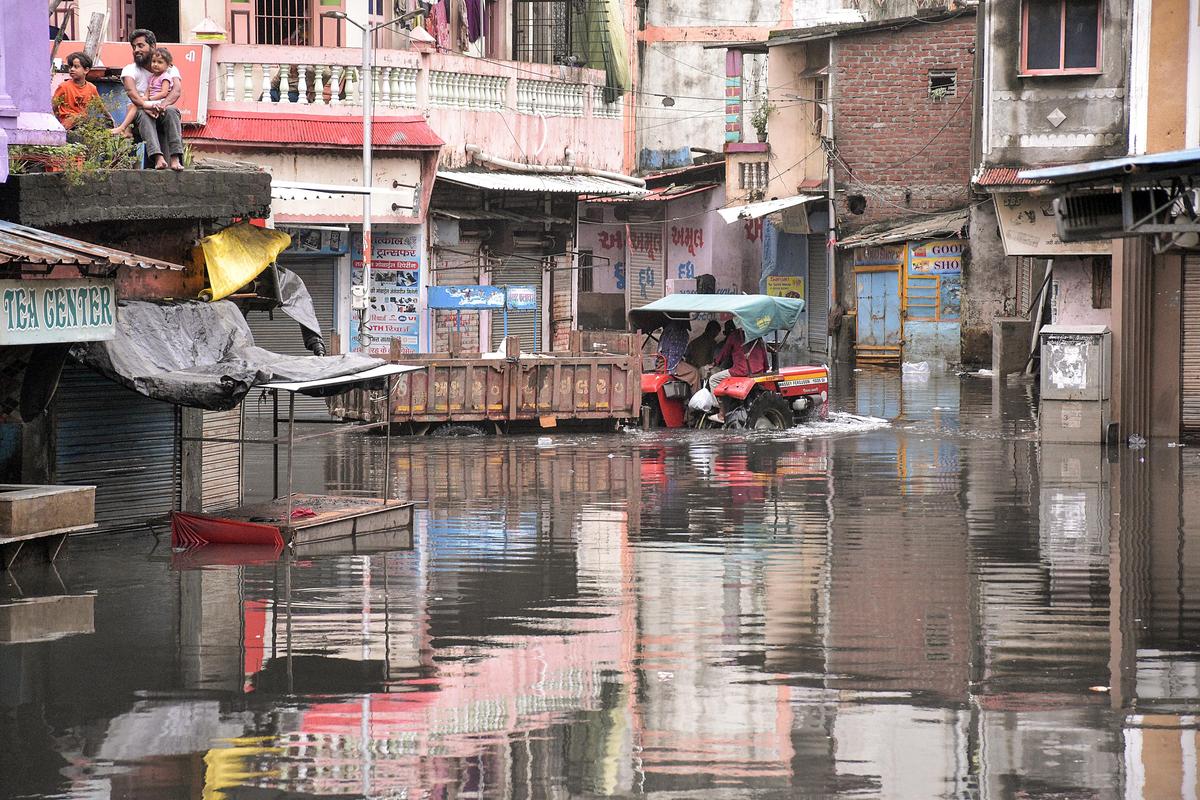
The city of Surat remains in a state of high alert this August 4th, 2026, as persistent flooding continues to disrupt daily life, commercial logistics, and agricultural activities in the surrounding peri-urban regions. While the monsoon rainfall has provided necessary moisture for the kharif crop cycle, the intensity and duration of the current deluge have overwhelmed municipal drainage systems, leading to widespread waterlogging. Local authorities are currently engaged in extensive relief operations, prioritizing the clearance of arterial roads to ensure that the supply chain for essential commodities remains intact.
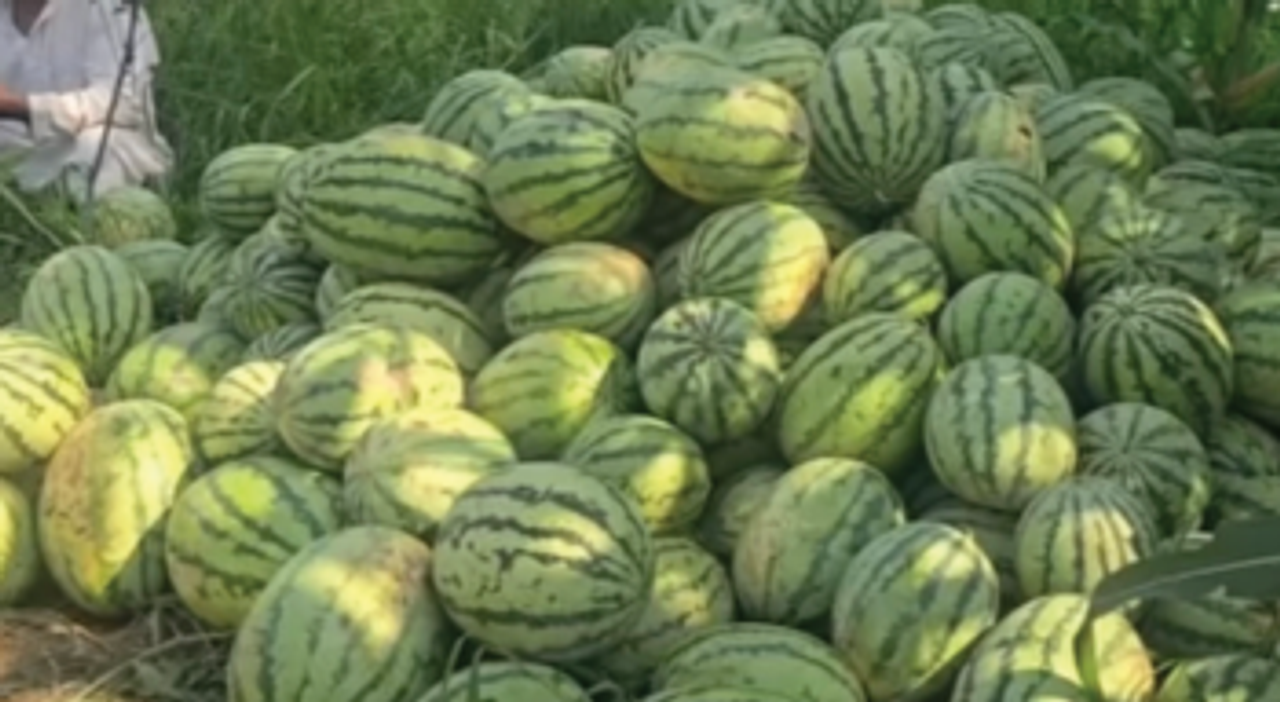
The flooding is not merely an urban challenge; it has significant implications for the agricultural belts on the city's periphery. Standing water in low-lying fields risks root rot and nutrient leaching, forcing farmers to closely monitor soil health and crop resilience. As the administration balances emergency disaster management with the long-term needs of the region, the intersection of urban planning and climate-resilient infrastructure has become the central focus of public discourse.
Judicial Scrutiny: High Court Demands Accountability for May Demolition
Amidst the ongoing climate-related crisis, the Gujarat High Court has intensified its oversight regarding urban governance, specifically concerning a controversial slum demolition that took place on May 30th. The court has issued a formal directive to municipal authorities, demanding comprehensive answers regarding the legality and the humanitarian protocols followed during the eviction process. The judiciary is seeking to understand how the demolition of these settlements aligns with existing state policies on rehabilitation and disaster preparedness.
Legal experts and urban planners suggest that this case highlights a broader systemic issue regarding the encroachment of informal settlements on natural drainage channels and low-lying floodplains. The High Court’s intervention underscores a growing trend of judicial activism in Gujarat, where courts are increasingly holding municipal bodies accountable for the long-term consequences of urban development decisions. The outcome of these proceedings is expected to set a critical precedent for how the city manages land use and population displacement in the face of increasingly volatile weather patterns.
Community Resilience: Observing Organ Donation Day
In a poignant contrast to the ongoing struggle with natural disasters and legal disputes, the citizens of Surat paused today to observe Organ Donation Day. The observance served as a reminder of the community’s spirit and its commitment to public health and social welfare. Health officials across the district utilized the occasion to conduct awareness campaigns, emphasizing the life-saving potential of organ donation and the importance of registering as donors.
The event drew participation from local NGOs, healthcare professionals, and civic leaders, who collectively highlighted the need for robust medical infrastructure that can function effectively even during climate-induced emergencies. By fostering a culture of altruism and systemic support, the community aims to strengthen its social fabric, ensuring that even in times of environmental crisis, the essential services—including healthcare and emergency medical response—remain a top priority for the administration and the public alike.
What This Means for Farmers
For the farming community operating in the Surat region and the broader coastal plains of Gujarat, the current situation offers several critical takeaways:
- Mitigating Crop Loss: With persistent waterlogging, farmers are advised to prioritize field drainage where possible. If soil saturation persists, consider the application of micronutrients to counteract leaching, but avoid heavy nitrogen applications until the water recedes to prevent further root stress.
- Monitoring Market Logistics: Flooding often disrupts transport corridors. Producers should maintain close contact with local agricultural produce market committees (APMCs) to stay updated on road closures and potential delays in the movement of perishable goods.
- Legal and Land Awareness: The High Court’s focus on urban and peri-urban land use serves as a reminder for landowners to keep all land records and encroachment documentation strictly in order. Disputes regarding land usage, especially in flood-prone zones, are under heightened scrutiny.
- Community Preparedness: The emphasis on Organ Donation Day and community resilience highlights the importance of local networks. Farmers should participate in local cooperative meetings to coordinate emergency resource sharing, such as shared drainage equipment or collective bargaining for disaster relief support.