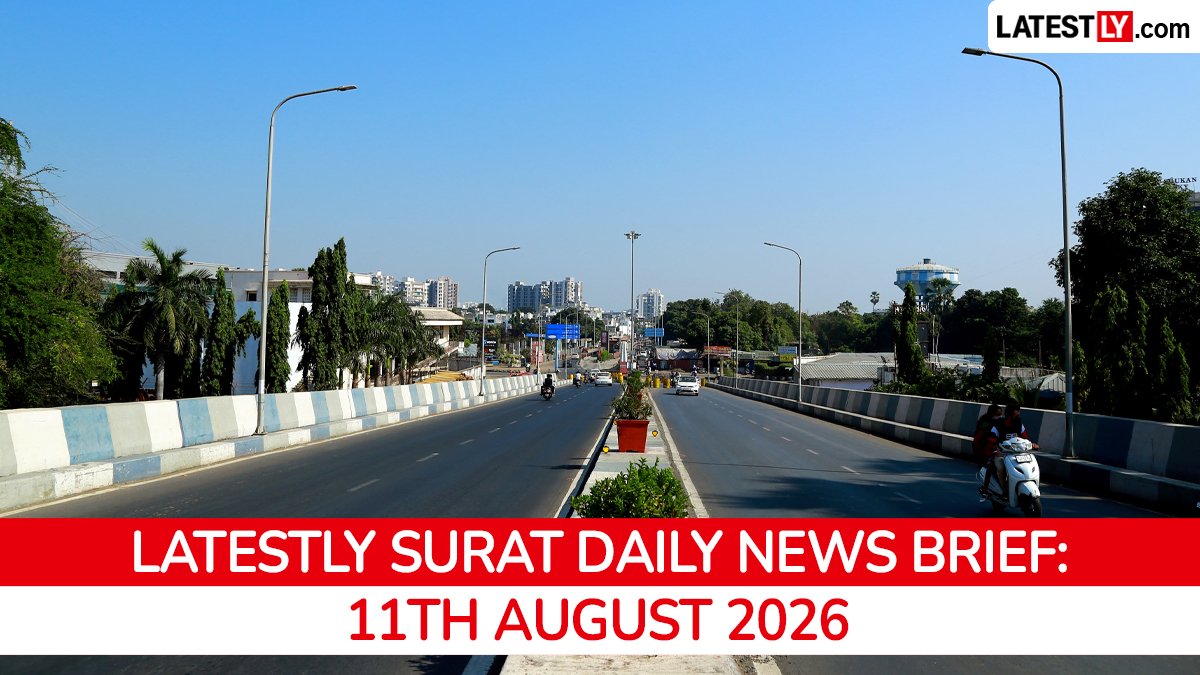
Surat Faces Multi-Front Crisis: Civic Accountability and Economic Resilience
Surat, a cornerstone of India’s textile and diamond industries, is navigating a complex period of governance and infrastructure challenges today, August 11, 2026. As the city grapples with the aftermath of severe weather events, administrative scrutiny has intensified. The local government is currently balancing the fallout from a high-profile medical negligence investigation, mounting public discontent regarding urban flood management, and the persistent drive to maintain the city’s industrial momentum despite significant environmental setbacks.
Accountability in Public Healthcare: Medical Suspensions Follow Tragedy
The administrative machinery in Surat has taken decisive action in the wake of a tragic suicide case that has shaken the local medical community. Following a thorough preliminary inquiry, health authorities have confirmed the suspension of several medical professionals linked to the case. The incident has prompted a broader discussion regarding workplace mental health and the standards of internal oversight within the city’s public health institutions.
Legal experts and patient advocacy groups are closely monitoring the developments, as the suspension serves as a stark reminder of the mounting pressure on public healthcare infrastructure. For the administration, the challenge lies in balancing disciplinary measures with the need to maintain essential medical services for a rapidly growing urban population. The High Court has reportedly taken a keen interest in the proceedings, demanding transparency in the investigative process to ensure that accountability is upheld without compromising the stability of the city’s health sector.
Urban Infrastructure Under Fire: The Creek Flooding Controversy
Beyond the hospital walls, the streets of Surat have become a focal point for civic unrest. Persistent flooding in areas adjacent to the city’s creek systems has triggered widespread protests from residents and local business owners. The core of the grievance lies in the recurring nature of these inundations, which many argue are the result of inadequate drainage maintenance and poorly planned urban encroachment on natural water channels.
The High Court has intervened, issuing sharp queries to civic officials regarding the city’s disaster preparedness and long-term flood mitigation strategies. During recent hearings, the bench questioned why previous directives concerning the desilting of creeks and the removal of unauthorized structures have not been implemented with the necessary urgency. As the monsoon season continues to test the city’s resilience, the pressure on municipal authorities to provide permanent, engineering-backed solutions has reached a critical threshold. The ongoing protests highlight a growing disconnect between the city’s rapid economic expansion and its aging drainage infrastructure.
Economic Stability Amidst Industrial Growth
Despite the challenges posed by civic unrest and environmental threats, Surat’s textile sector continues to demonstrate remarkable resilience. As a global hub for synthetic textiles and embroidery, the city remains a vital cog in the national economy. Industry stakeholders are currently navigating the logistical hurdles posed by the flooding, which has intermittently disrupted transport routes and warehouse operations. However, the sector’s focus remains on modernization and market diversification, ensuring that the "Silk City" retains its competitive edge in both domestic and international markets.
What This Means for Farmers
While Surat is primarily an industrial and urban powerhouse, the developments in the region carry significant implications for the surrounding agricultural community and the broader rural economy in the following ways:
- Supply Chain Disruptions: For farmers in the peripheral districts, the urban flooding and subsequent protests often lead to logistical bottlenecks. Disruptions in the city’s transport network can delay the movement of perishable goods and agricultural inputs, affecting market pricing and shelf-life.
- Water Management Policy: The High Court’s focus on creek desilting and drainage is a double-edged sword for rural areas. Improved urban water management can help mitigate flooding in low-lying peri-urban farmland, but it requires careful coordination to ensure that redirected water does not negatively impact irrigation channels downstream.
- Labor Migration Dynamics: The industrial stability of Surat is intrinsically linked to the rural workforce. When urban infrastructure fails, it impacts the livelihoods of migrant laborers who rely on the textile industry. A stable urban environment is essential to keep the rural-to-urban economic pipeline functioning, which in turn supports rural household incomes through remittances.
- Actionable Advice: Agricultural businesses operating in the vicinity of Surat are advised to diversify their logistics providers and monitor municipal flood alerts closely. Engaging with local water management committees can help ensure that rural concerns are represented in the ongoing discussions regarding urban-rural drainage integration.