Strategic Shifts in Global Agrochemical Sourcing: The Rise of Vietnam
The global agrochemical and specialty chemical supply chain is currently undergoing a structural transformation. As multinational corporations seek to mitigate risks associated with over-reliance on single-source manufacturing hubs, Vietnam has emerged as a formidable contender in the international marketplace. According to recent analysis by Sehul Bhatt and Ruchira Chaudhari of Crisil Intelligence, this shift is not merely a reactionary move to geopolitical instability, but the result of a deliberate, multi-year strategy to integrate Vietnam into the complex global chemical value chain.
For decades, the global chemical industry operated under a lean, centralized model that prioritized cost-efficiency above all else. However, recent disruptions—ranging from pandemic-related lockdowns to regulatory volatility—have exposed the fragility of these concentrated supply chains. Vietnam’s ascent as an alternative sourcing point offers a critical pivot for the agricultural sector, providing manufacturers with the redundancy required to ensure a consistent supply of inputs, including fertilizers, pesticides, and essential soil additives.
Infrastructure Readiness and Policy Alignment
Vietnam’s emergence as a chemical manufacturing alternative is underpinned by two primary pillars: aggressive trade policy reform and significant infrastructure development. The Vietnamese government has prioritized the creation of specialized industrial zones designed specifically to meet the stringent safety and environmental standards required for chemical processing. By incentivizing foreign direct investment (FDI) through tax holidays and streamlined bureaucratic processes, the nation has successfully attracted firms looking to relocate or expand their production capacity outside of traditional hubs.
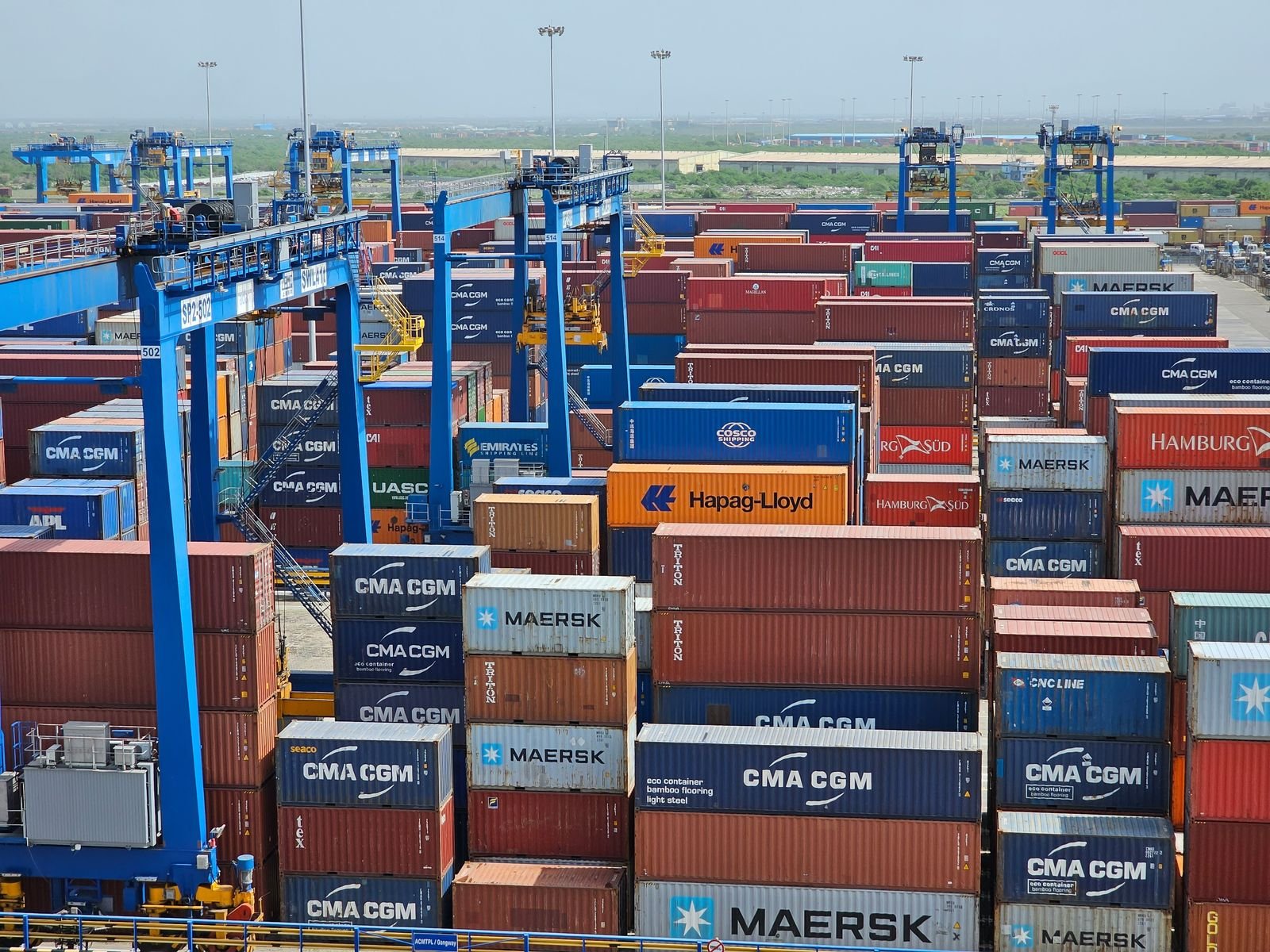
Beyond fiscal incentives, Vietnam has invested heavily in logistics and connectivity. The development of deep-sea ports and expanded inland transportation networks has significantly reduced the friction of exporting industrial goods. Furthermore, the country’s active participation in a wide array of Free Trade Agreements (FTAs) allows manufacturers to export chemical products with favorable tariff treatment to major markets, including the European Union, Japan, and the United States. This regulatory framework provides the predictability that chemical firms demand before committing to long-term capital expenditure.
The Diversification Imperative
The core philosophy behind current supply chain diversification is the transition from "just-in-time" to "just-in-case" logistics. For the agricultural sector, where timing is dictated by the rigid demands of the growing season, a disruption in the availability of crop protection chemicals or proprietary nutrients can have catastrophic consequences for yields. Relying on a single geography for these inputs introduces a "single point of failure" that many firms are no longer willing to accept.
Vietnam represents a strategic hedge. By establishing manufacturing footprints in a new region, agrochemical companies can balance their risk profiles. While the shift requires significant initial investment—particularly in ensuring that new facilities meet international environmental, social, and governance (ESG) standards—the long-term benefits of a resilient supply chain are increasingly viewed as a competitive necessity rather than a luxury. As Crisil Intelligence notes, the integration of Vietnam into the chemical ecosystem is a long-term play, signaling a permanent shift in how multinational corporations view global sourcing strategies.
What This Means for Farmers
For the average farmer, the diversification of chemical supply chains into regions like Vietnam offers several long-term advantages, despite the complexity of the global macroeconomic shift:
- Increased Input Availability: By diversifying manufacturing origins, the risk of localized supply chain bottlenecks is reduced. This helps prevent the sudden, seasonal shortages of essential crop protection products that often lead to price volatility and application delays.
- Competitive Pricing Stability: A more diverse supply landscape fosters competition among manufacturers. As more production capacity comes online in Southeast Asia, the increased supply can help mitigate the extreme price spikes that occur when a single, dominant manufacturing region experiences a production outage.
- Better Regulatory Compliance: The modern industrial zones being built in Vietnam are often designed to meet contemporary global environmental and safety standards. This ensures that the products reaching the farm gate are manufactured with consistent quality controls, reducing the risk of substandard or contaminated inputs entering the agricultural cycle.
- Strategic Planning: Farmers should remain aware that while global supply chains are diversifying, the transition period can still involve transitional costs. It is advisable for producers to maintain close communication with local agronomists and input suppliers to stay informed about product availability and to plan their procurement strategies well in advance of the planting season to account for any ongoing adjustments in global logistics.